photo: www.shooteditdeliver.eu/
Autor foto: Fundacja im. Kazimierza Pułaskiego
Casimir Pulaski Foundation at P-TEC 2026
Published: November 23, 2026
photo: www.shooteditdeliver.eu/
Autor foto: Fundacja im. Kazimierza Pułaskiego
Casimir Pulaski Foundation at P-TEC 2026
Opublikowano: November 23, 2026
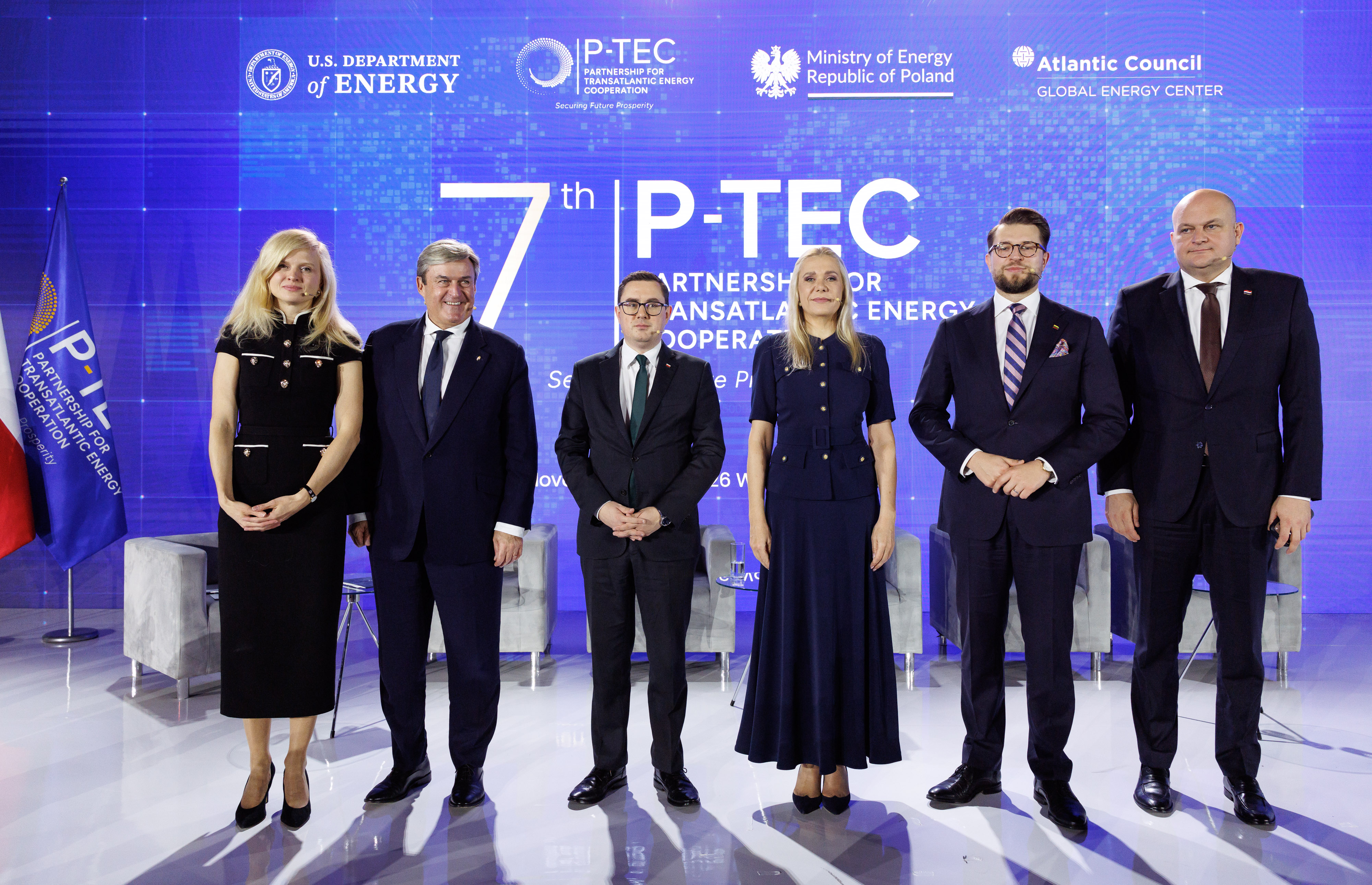
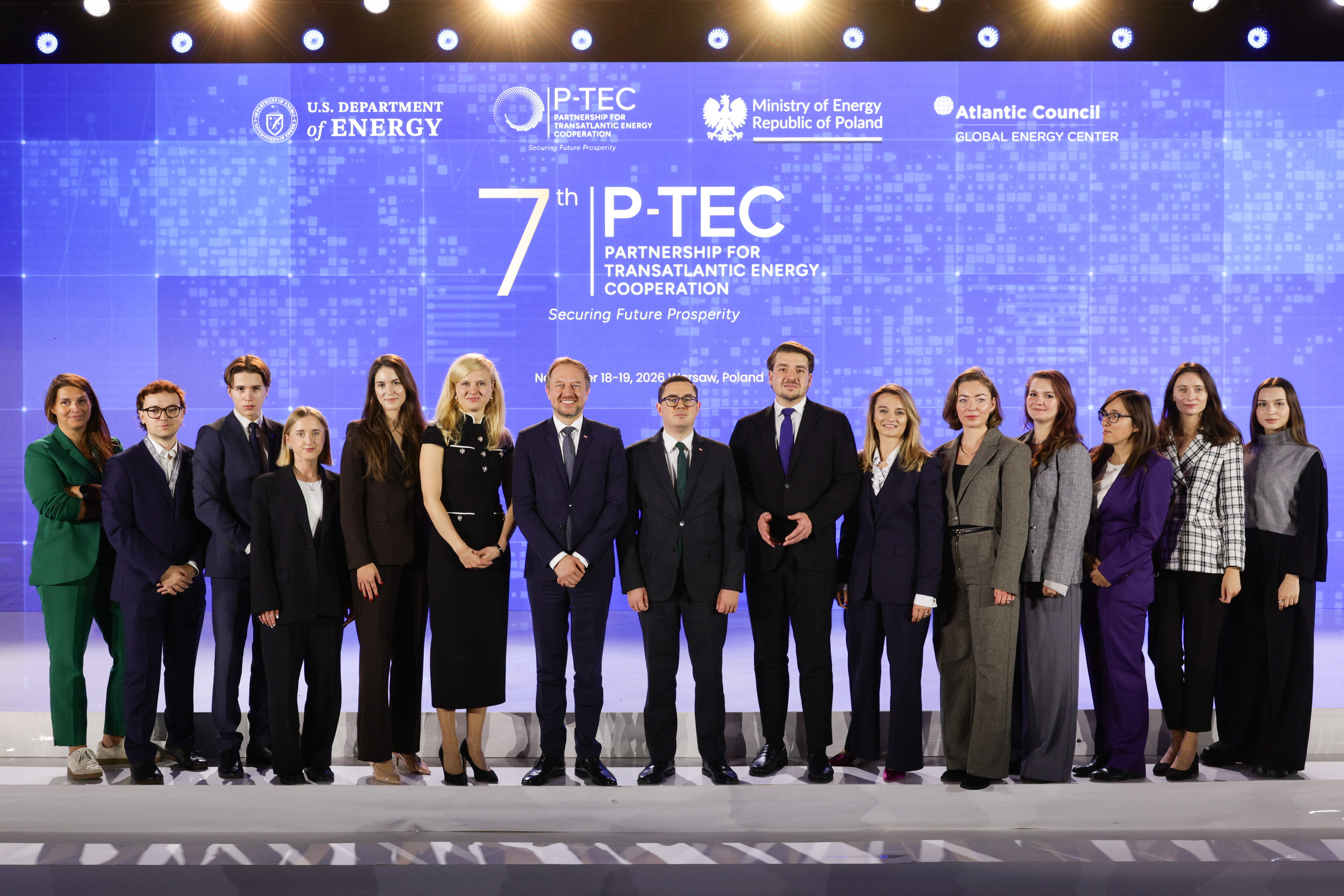
For two days, Warsaw became a centre of transatlantic dialogue on the future of European energy security. Energy security, diversification of LNG supplies, infrastructure development and regional cooperation were at the centre of the 7th Partnership for Transatlantic Energy Cooperation (P-TEC) Ministerial Meeting, held on November 18 and 19 in Warsaw. Organised at the initiative of the U.S. Department of Energy, Poland’s Ministry of Energy and the Atlantic Council’s Global Energy Center, the event gathered representatives from both sides of the Atlantic, alongside Prime Minister of the Republic of Poland Donald Tusk, Minister of Energy of the Republic of Poland Miłosz Motyka, U.S. Secretary of Energy Chris Wright, senior policymakers, financial institutions and leading energy companies.
Discussions focused on the challenges facing Europe’s energy sector, including the diversification of energy supplies, investment in civilian nuclear energy, the expansion of LNG infrastructure, energy affordability and the protection of critical infrastructure. Particular attention was given to the role of Central and Eastern Europe in building a more resilient energy system and strengthening long-term transatlantic cooperation.
As a content partner of the summit, Casimir Pulaski Foundation played an active role in shaping the debate, with its representatives moderating two strategic discussions dedicated to Poland’s role in the regional gas market and the future of transatlantic LNG cooperation.
Poland as the Gas Gateway to Central and Eastern Europe
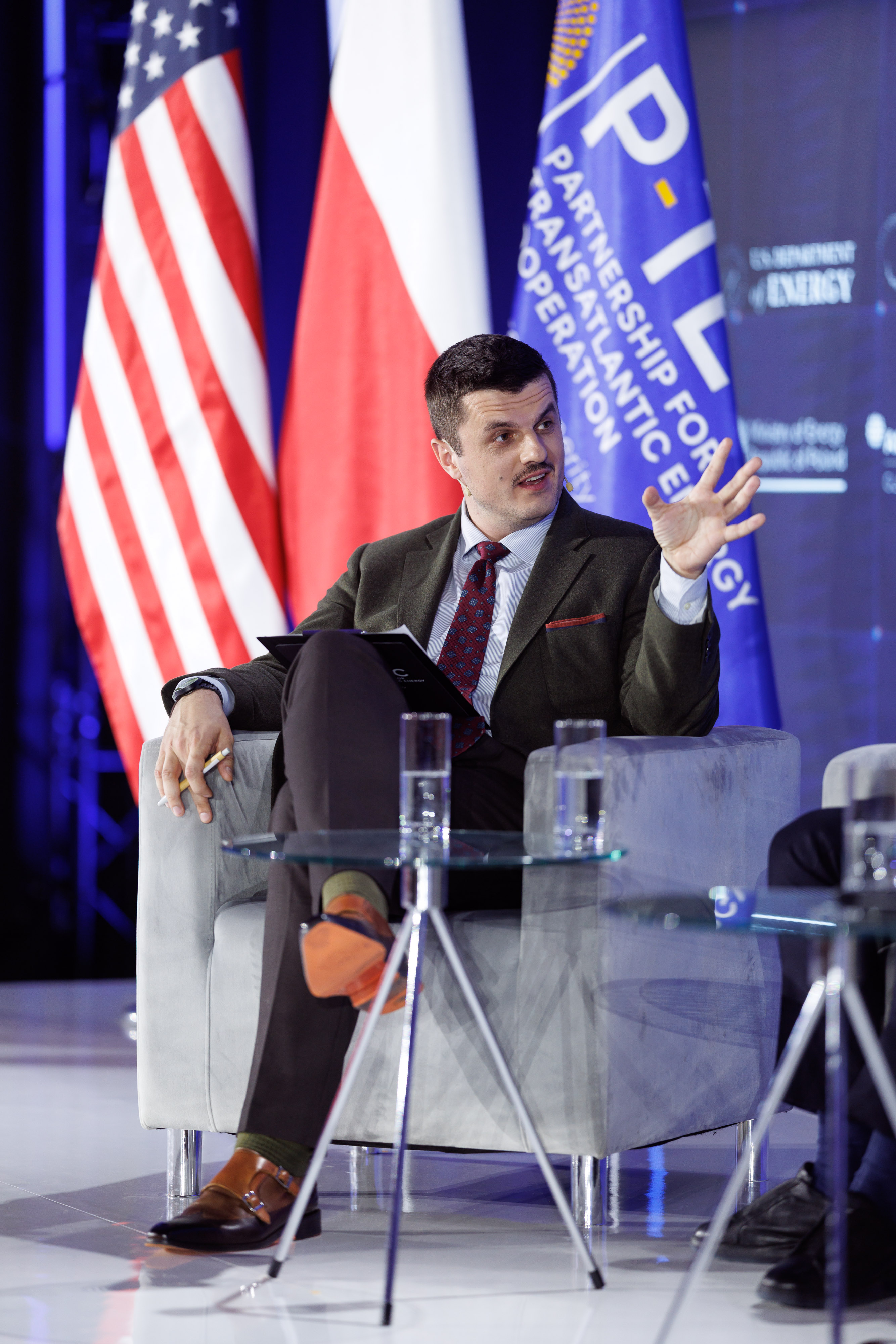
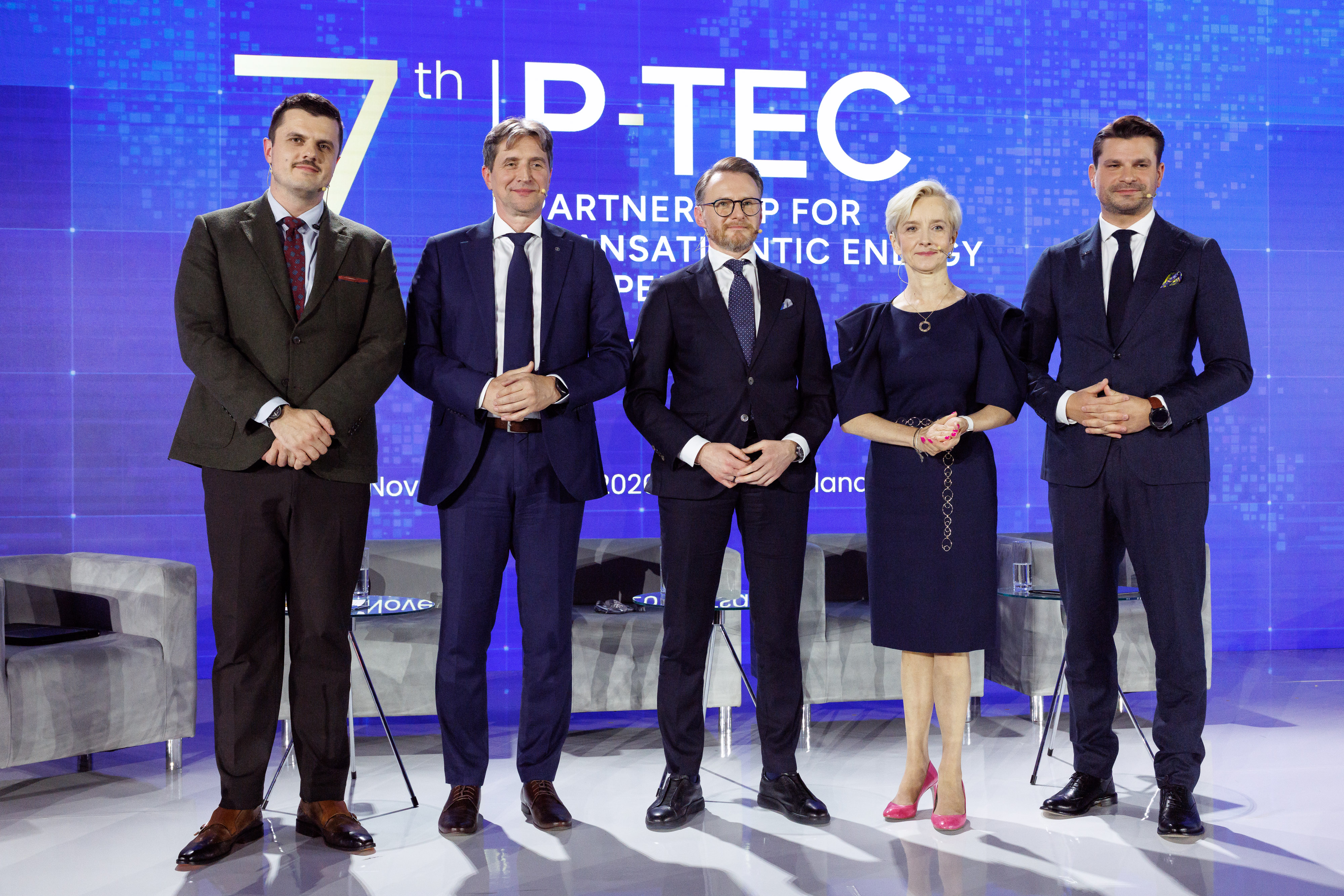
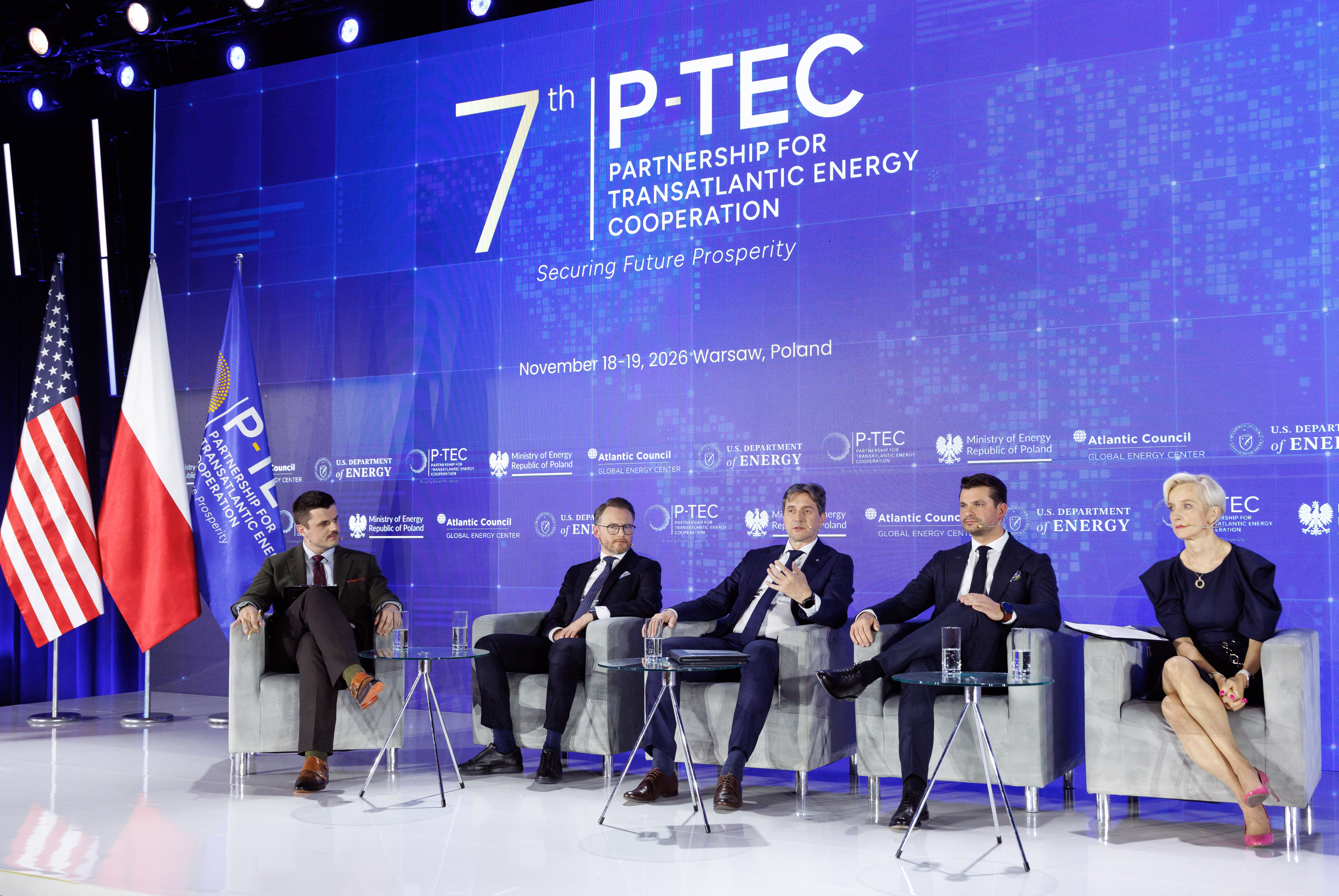
Dr Maciej Filip Bukowski, Director of the Energy and Resilience Programme at the Casimir Pulaski Foundation, moderated the panel “Poland: The Gas Gateway to Central and Eastern Europe”. The discussion brought together Sławomir Hinc, President of the Management Board of GAZ-SYSTEM, Piotr Listwoń, Chief Executive Officer of the Polish Power Exchange (TGE), Katarzyna Rozenfeld, Vice-President of the Management Board of PGE, and Sławomir Staszak, Vice-President of the Management Board for Energy at ORLEN S.A.
The discussion highlighted Poland’s growing potential to become a regional gas hub and a strategic gateway for LNG supplies to Central and Eastern Europe. Panellists emphasised the importance of expanding LNG import and regasification infrastructure, strengthening cross-border interconnections and developing a more integrated and competitive regional gas market.
One of the key points was Poland’s ambition to become a regional gas hub, increasing its regasification capacity to 20 billion cubic meters, reflecting the country’s increasing role in diversifying regional energy supplies. However, the discussion also underscored that infrastructure investment alone is insufficient. Regulatory reforms aimed at increasing market liquidity, attracting international market participants and integrating the entire gas value chain are equally important to unlocking Poland’s potential as a regional energy hub.
The panellists also stressed the need to protect critical energy infrastructure and strengthen cybersecurity. As Poland expands its role in regional gas supply chains, the resilience of LNG terminals, transmission networks and cross-border infrastructure becomes an increasingly important dimension of national and regional energy security.
Transatlantic LNG: Securing the Next Decade of Supply
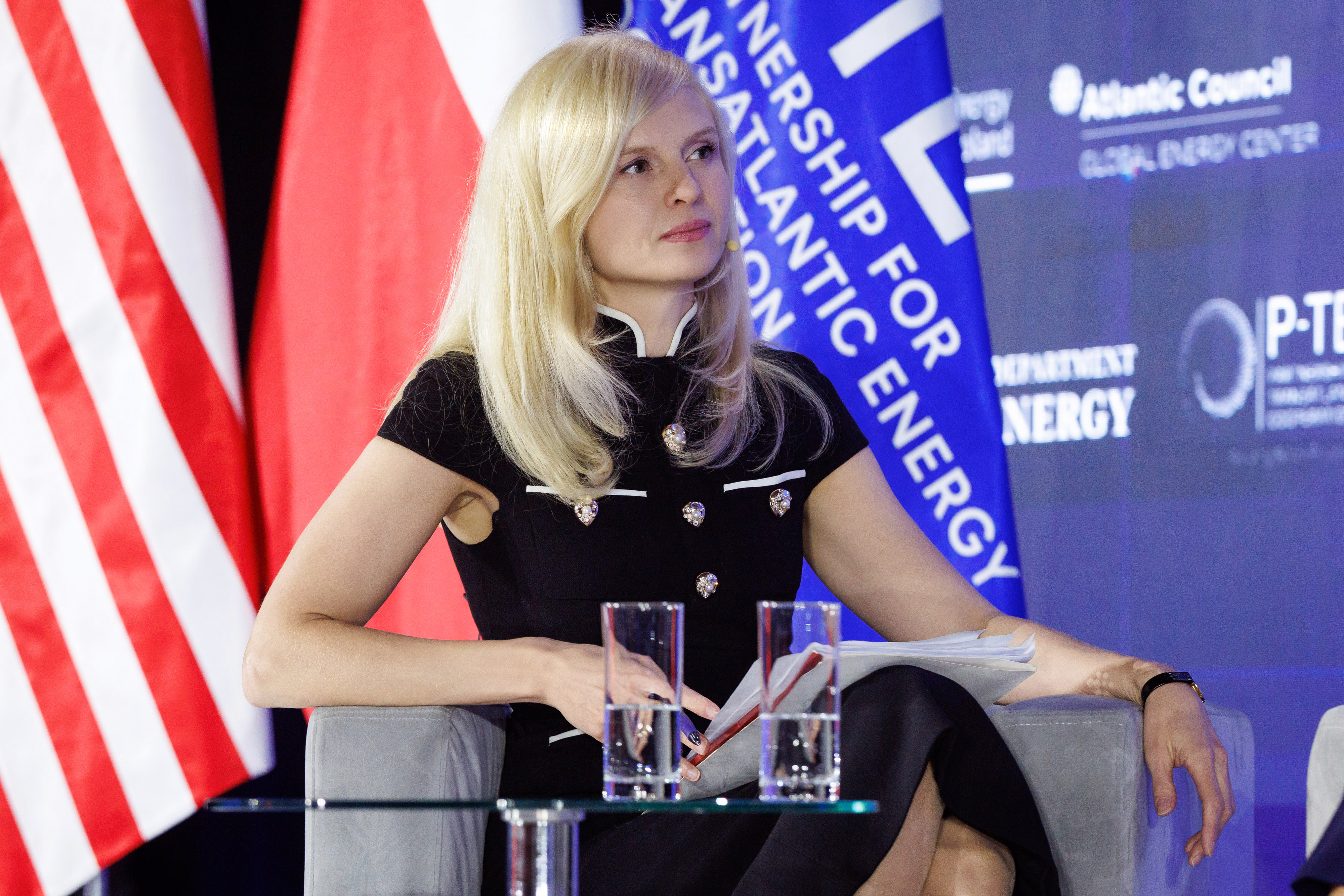
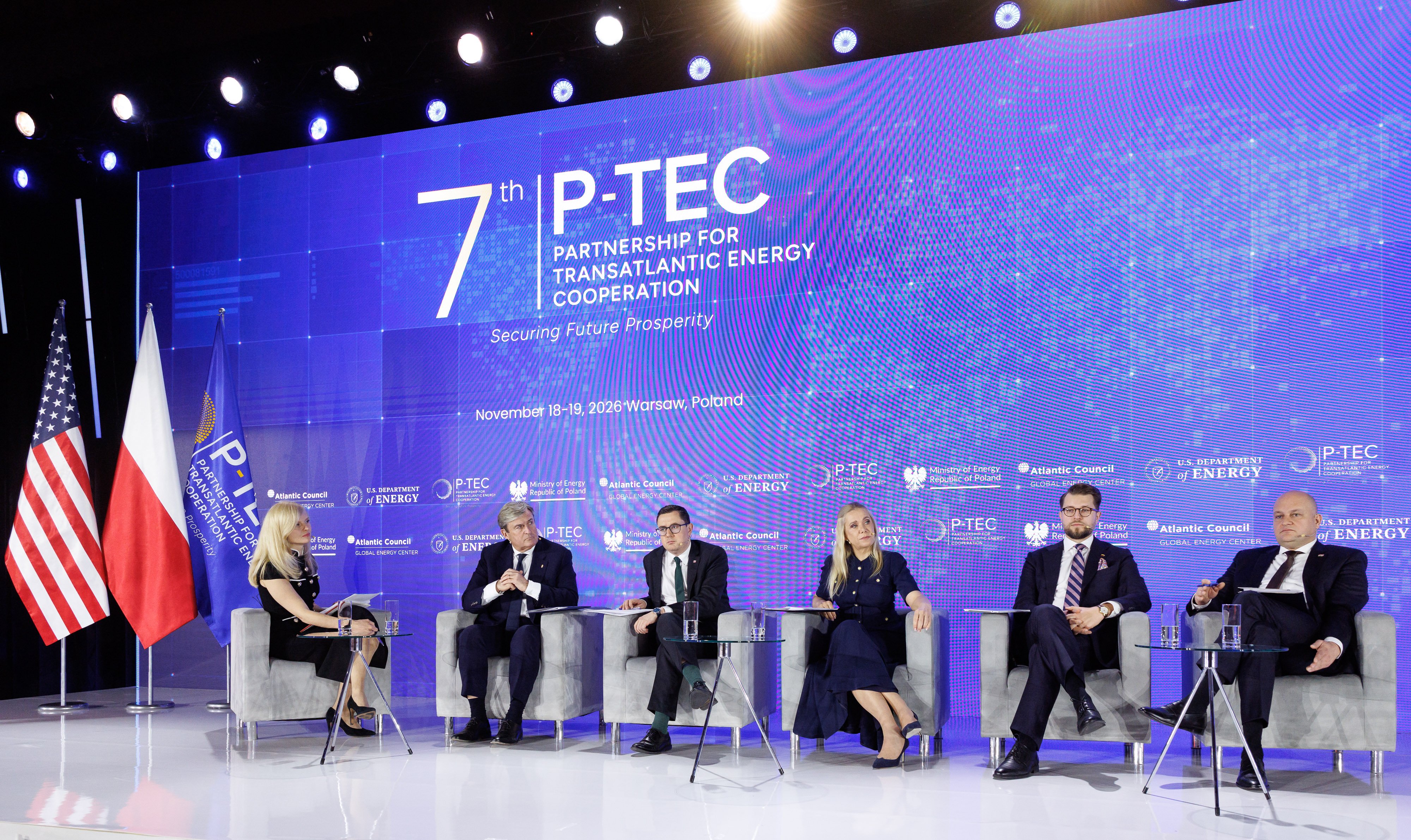
Professor Katarzyna Pisarska, Chair of the Council of the Casimir Pulaski Foundation and Chair of the Warsaw Security Forum, moderated the ministerial panel “Transatlantic LNG: Securing the Next Decade of Supply”. The discussion brought together Miłosz Motyka, Minister of Energy of Poland, István Kapitány, Minister of Economy of Hungary, Denisa Saková, Deputy Prime Minister and Minister of Economy of Slovak Republic, Lukas Savickas, Minister of Energy of Lithuania and Ante Šušnjar, Minister of Economy of Croatia.
The panel focused on how Central and Eastern European countries can strengthen their energy security, reduce dependence on Russian energy resources and build a more resilient regional energy system through infrastructure investment and closer transatlantic cooperation.
The distinguished panelists discussed the importance of shared infrastructure and diversification of supply routes to strengthen regional energy independence. The development of LNG terminals in Poland, Lithuania and Croatia, combined with cross-border gas interconnections, creates opportunities to expand access to transatlantic LNG supplies. Such investments can benefit not only coastal states but also landlocked countries, including Slovakia and Hungary, by improving their access to alternative energy sources.
The ministers also highlighted the importance of the protection of critical energy infrastructure that requires closer regional coordination through joint safeguarding of gas pipelines, electricity grids and LNG terminals against physical, cyber and hybrid threats. Shared monitoring mechanisms, common cybersecurity standards and cooperation between neighbouring countries were identified as important elements of a resilient European energy system.
Furthermore, regional solidarity and collective action can strengthen Central and Eastern Europe’s position in international energy markets. Coordinated energy procurement and joint strategic planning can improve the region’s negotiating position, help secure more favourable supply conditions and reinforce its collective voice in dialogue with the European Union and the United States. The ministerial discussion reinforced the importance of treating energy security not solely as a national responsibility, but as a shared regional challenge requiring coordinated investment, strategic planning and lasting transatlantic partnerships.
Strengthening Europe’s Energy Resilience Through Strategic Dialogue
The conclusions of both discussions demonstrated that Europe’s future energy security depends not only on access to diversified energy resources, but also on the development of interconnected infrastructure, competitive markets and effective regional cooperation. Poland’s expanding LNG capabilities and strategic geographical position create opportunities for the country to play a central role in strengthening the energy resilience of Central and Eastern Europe.
The two panels also highlighted the complementary dimensions of energy security: the need to develop infrastructure and efficient market mechanisms, alongside the political coordination necessary to safeguard critical assets and secure long-term supplies.
The Casimir Pulaski Foundation’s participation in P-TEC 2026 reflected its continued commitment to strengthening transatlantic relations and advancing strategic dialogue on European security, contributing to connecting government decision-makers, energy industry leaders and regional stakeholders around shared challenges and priorities.