Baltic Sea Security Talks
Autor foto: Wojciech Rojek
Baltic Sea Security Talks: Strengthening the Polish-Swedish Strategic Partnership
Published: March 13, 2026
Baltic Sea Security Talks
Autor foto: Wojciech Rojek
Baltic Sea Security Talks: Strengthening the Polish-Swedish Strategic Partnership
Opublikowano: March 13, 2026
Baltic Sea Security Talks: Strengthening the Polish-Swedish Strategic Partnership
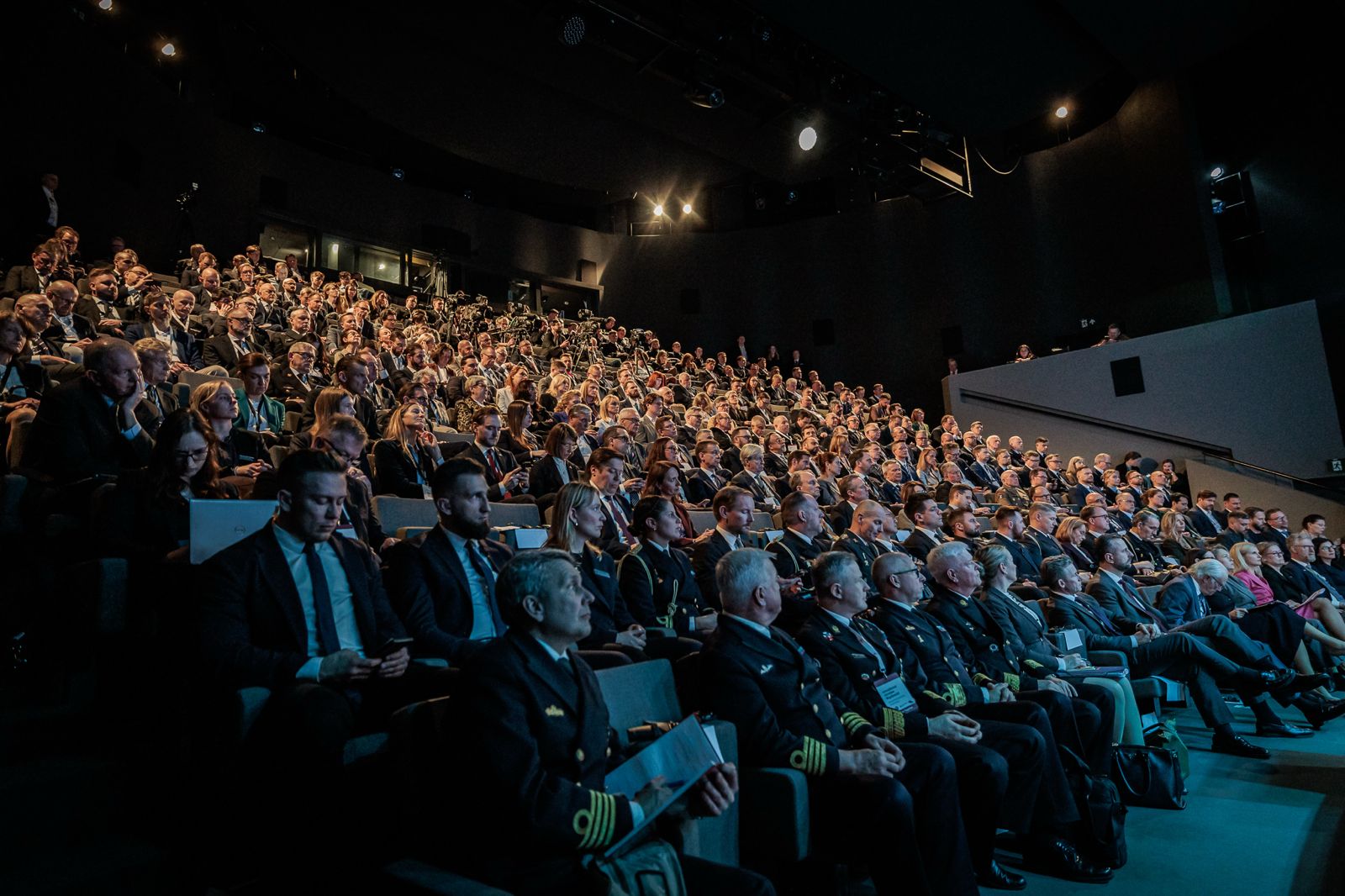
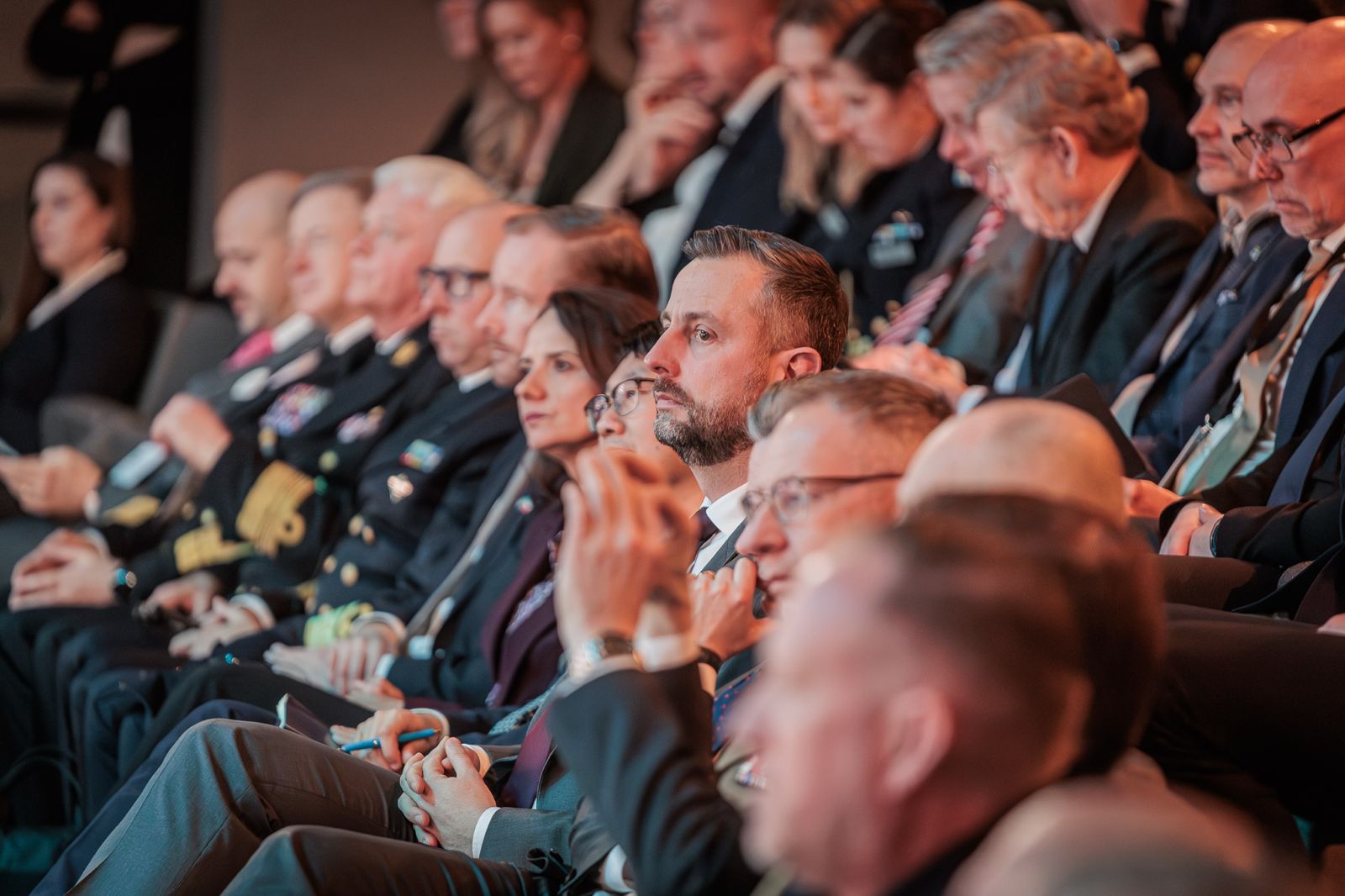
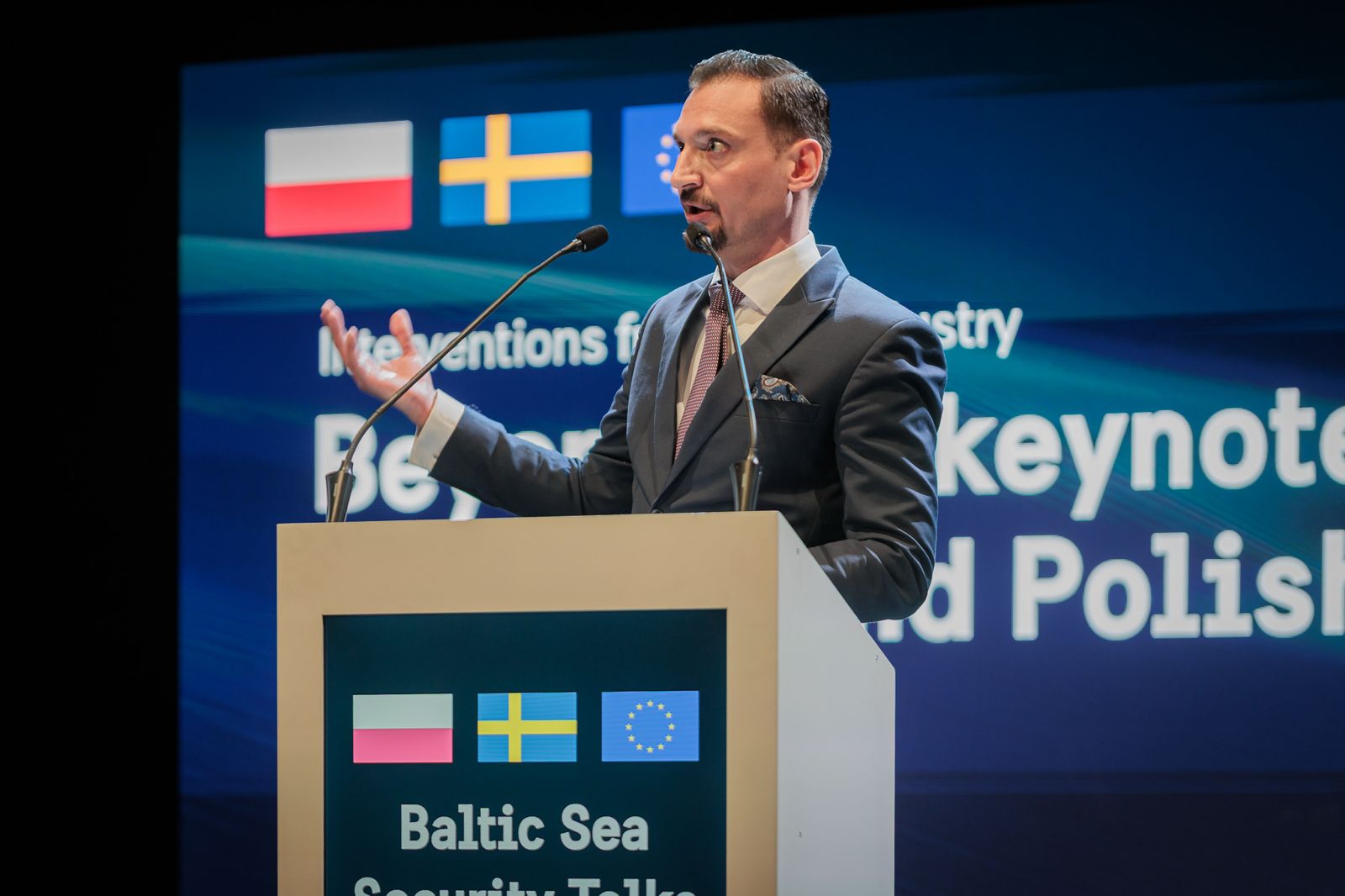
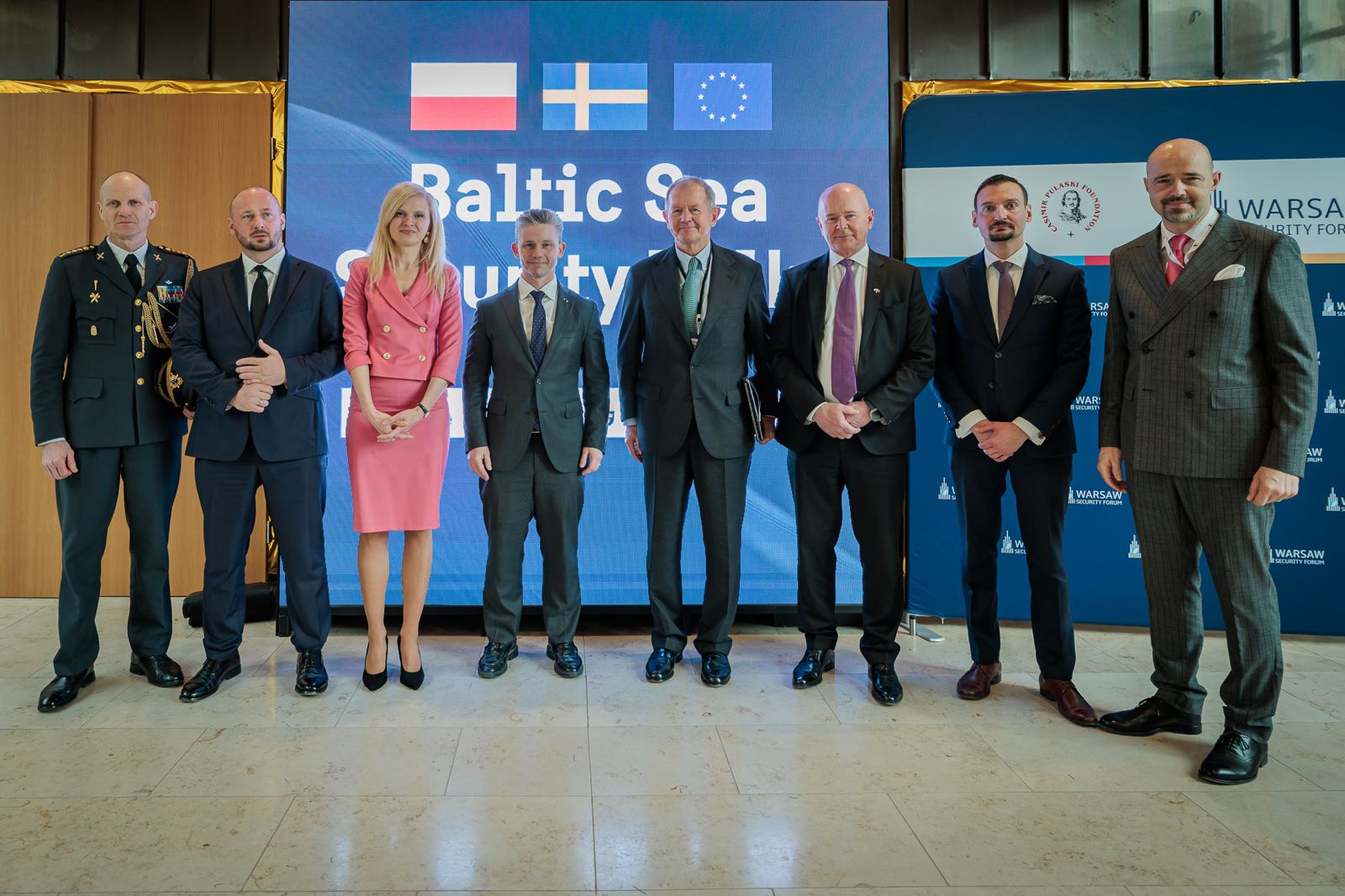
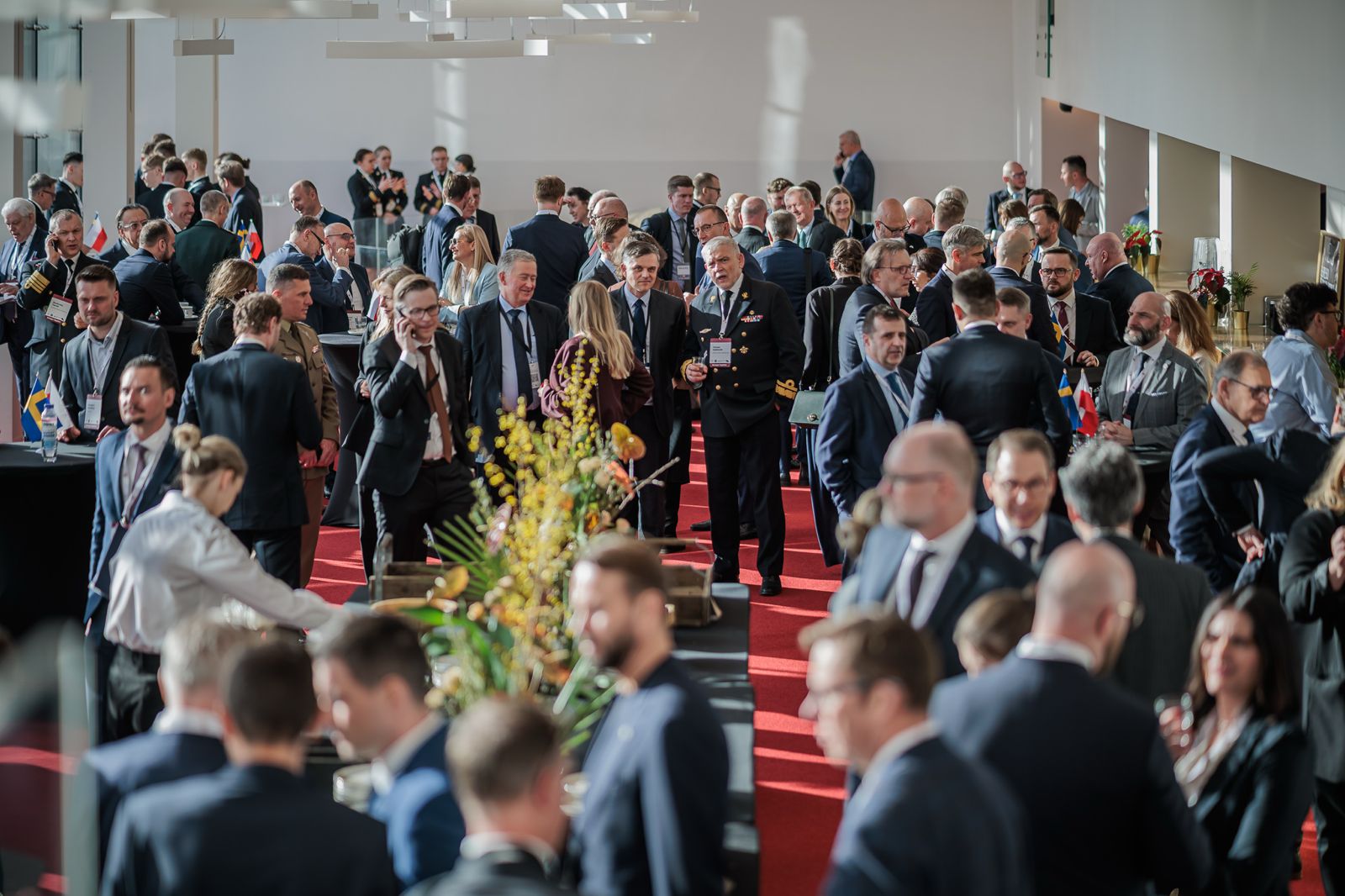
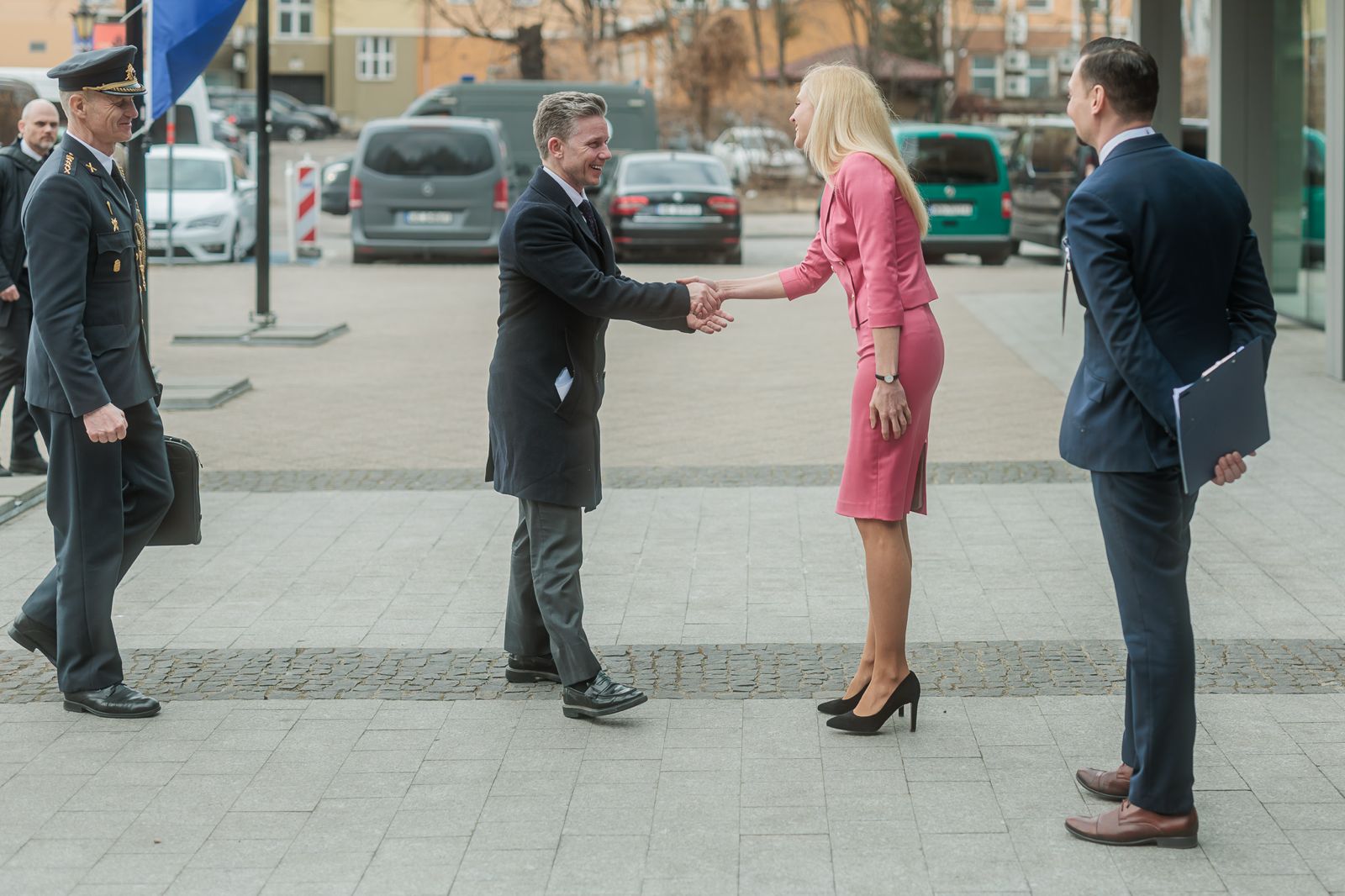
On 12 March 2026, the Casimir Pulaski Foundation and the Warsaw Security Forum, together with the Embassy of Sweden in Poland and Business Sweden, hosted the inaugural Baltic Sea Security Talks at Teatr Wybrzeże in Gdańsk.
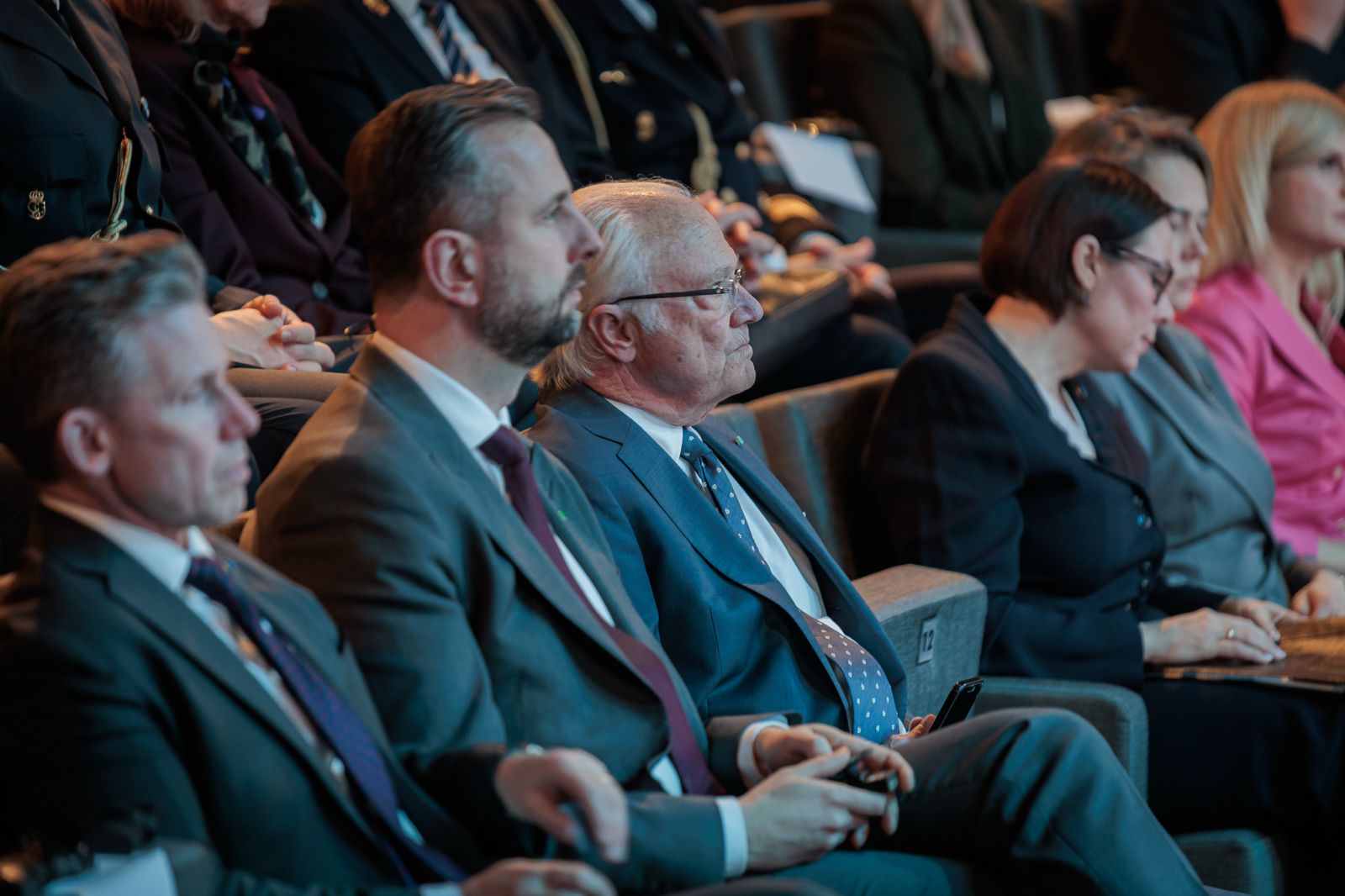
The conference took place on the occasion of the official state visit of Their Majesties King Carl XVI Gustaf and Queen Silvia of Sweden to Poland, bringing together senior government officials, security experts, and defence industry representatives from both countries for a day of high-level dialogue on Baltic Sea security and Swedish-Polish strategic cooperation.
The forum is a direct expression of one of the Casimir Pulaski Foundation’s Advocacy Priorities for 2026: the development of the Nordic-Baltic-Black Sea format as an operational axis of regional cooperation. It equally reflects our Foundation’s commitment to promoting investments that enhance the resilience and redundancy of maritime and subsea infrastructure across the Baltic basin.
Regional Security and Swedish-Polish Strategic Interests in the Baltic Sea
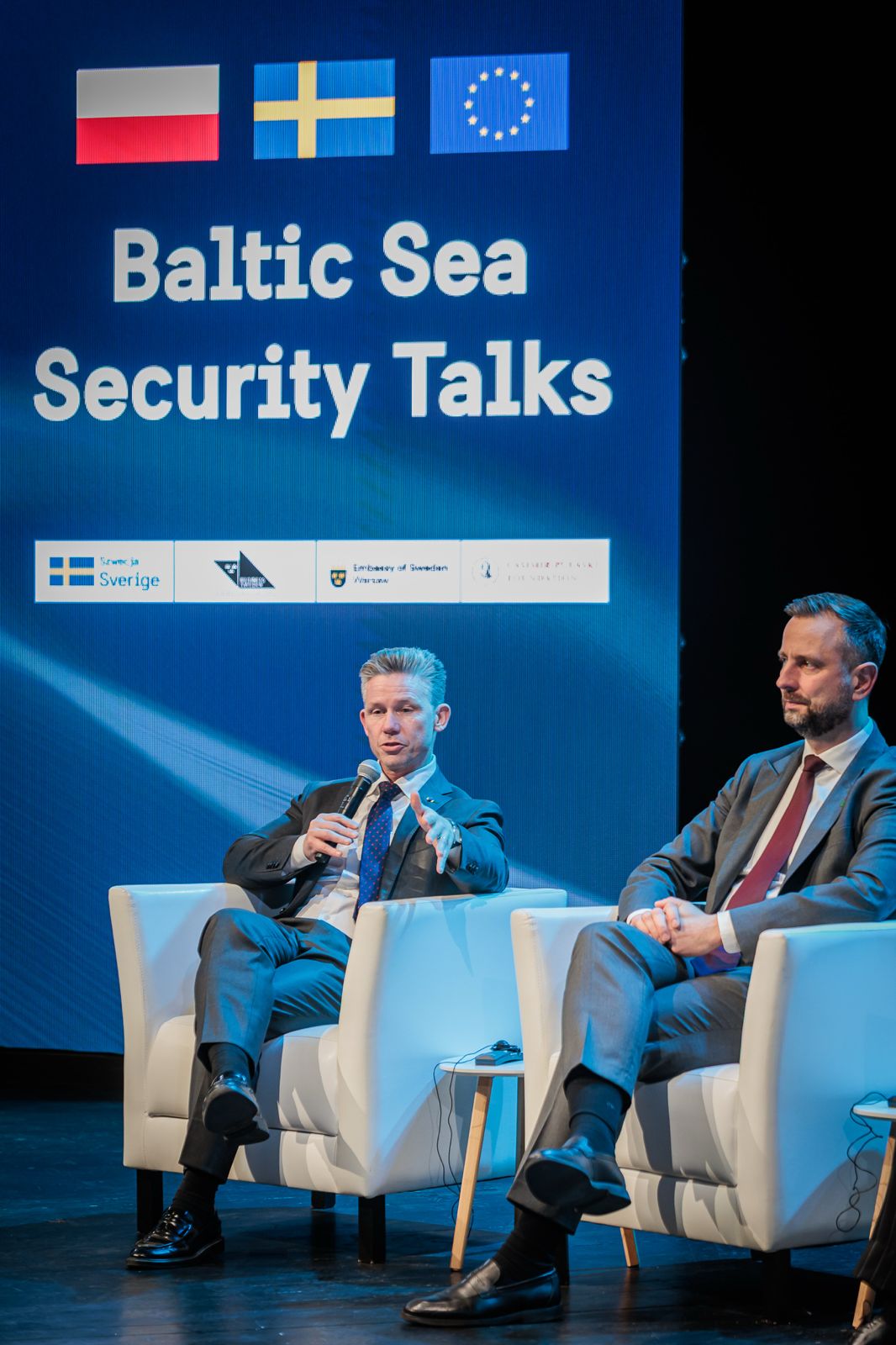
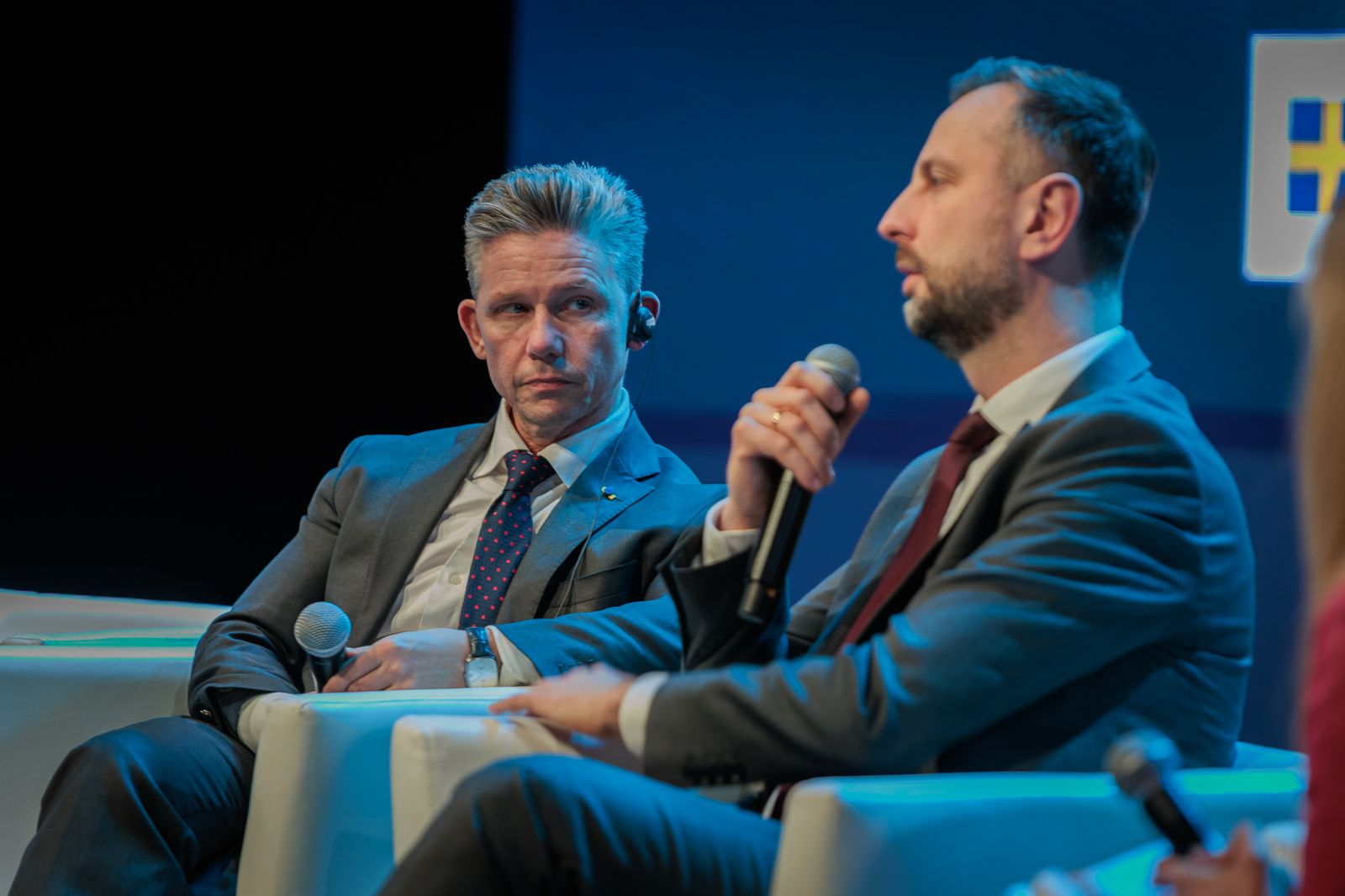
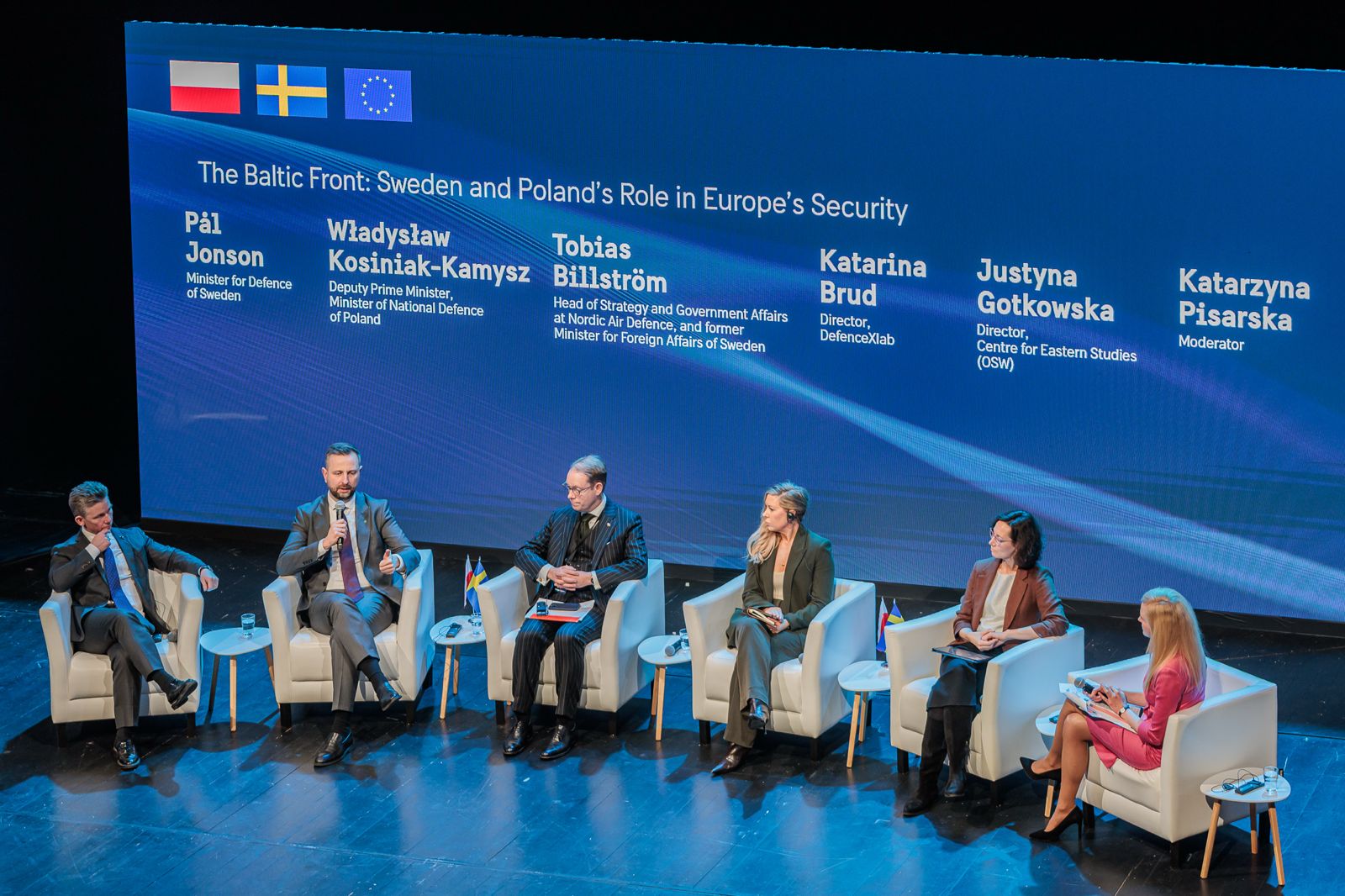
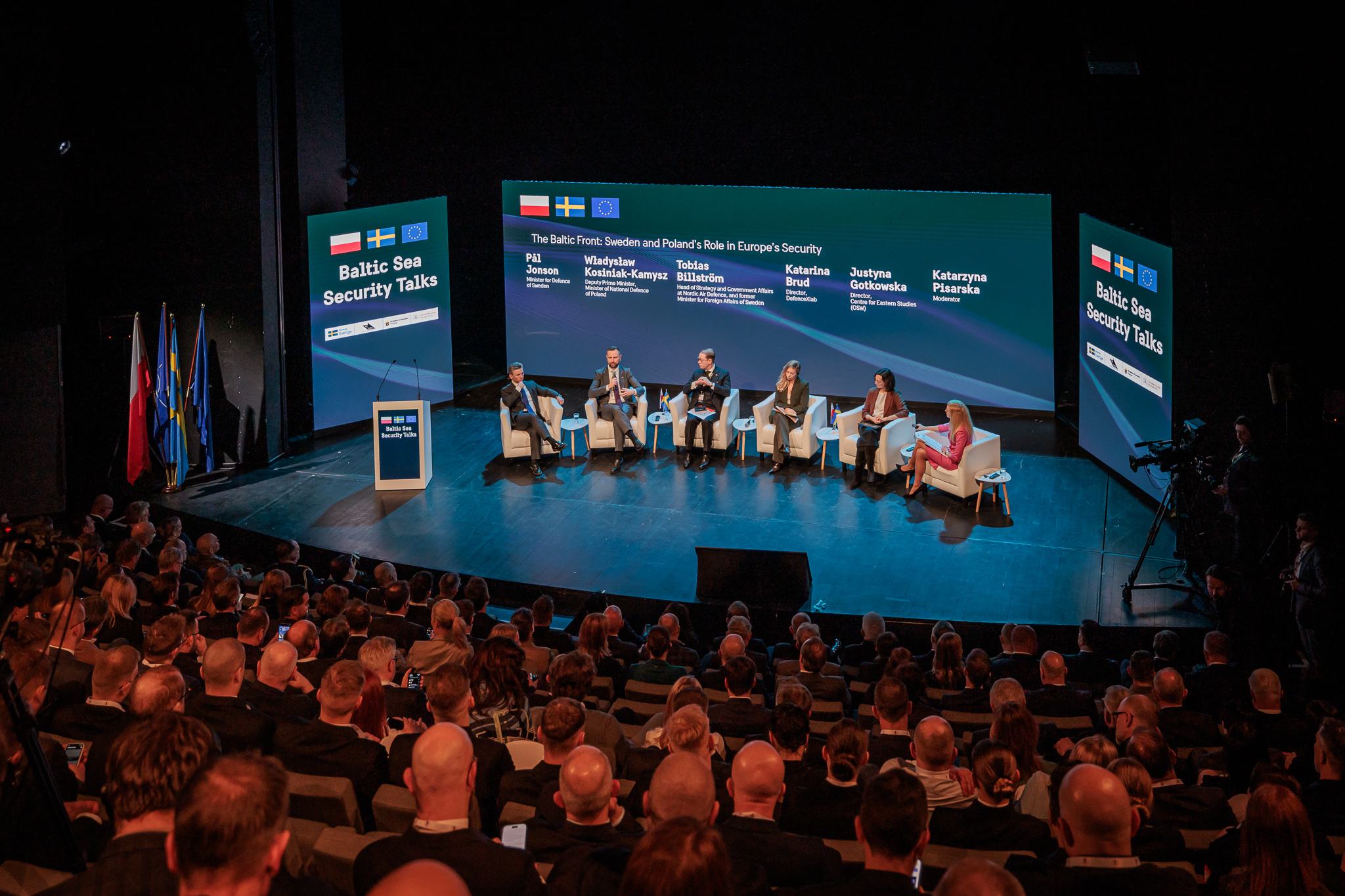
The forum opened with a panel moderated by prof. Katarzyna Pisarska, bringing together senior political and expert voices to assess European security and the role of Swedish-Polish cooperation. Panelists addressed hybrid and conventional threats in the Baltic Sea region, including sabotage of undersea infrastructure, evolving air and missile warfare, defence supply-chain resilience, and the broader security implications of the Middle East conflict.
A key moment came with the discussion of the ORKA programme – which was presented not merely as a procurement decision but as a defining symbol of the new depth of the bilateral strategic relationship. Pål Jonson, Minister for Defence of Sweden, captured this transformation in pointed terms:
“There are no other bilateral relations that have transformed as much as ours with Poland since we joined NATO.”
Władysław Kosiniak-Kamysz, Deputy Prime Minister and Minister of National Defence of Poland, addressed the ongoing discussion on the nuclear dimension of European security, calling for coherence within Alliance frameworks:
“Within NATO, we should not be posing dilemmas to one another, but to Russia. The French nuclear umbrella should not be an alternative to the nuclear sharing programme, but its complement. These are Alliance decisions. We cannot build nuclear rivalry within NATO – all decisions on this matter should be made on the basis of NATO Headquarters arrangements.”
Official Opening Ceremony
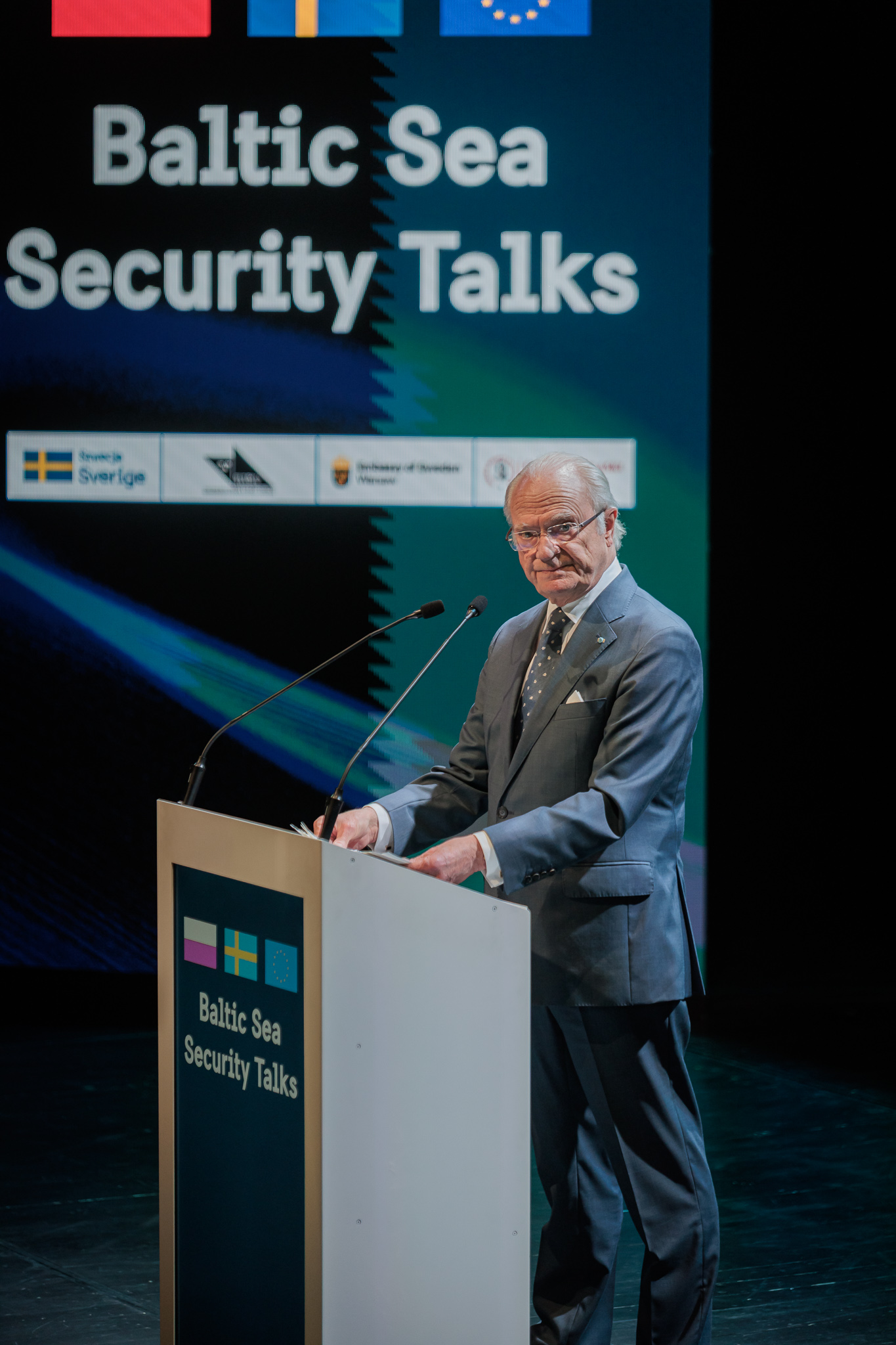
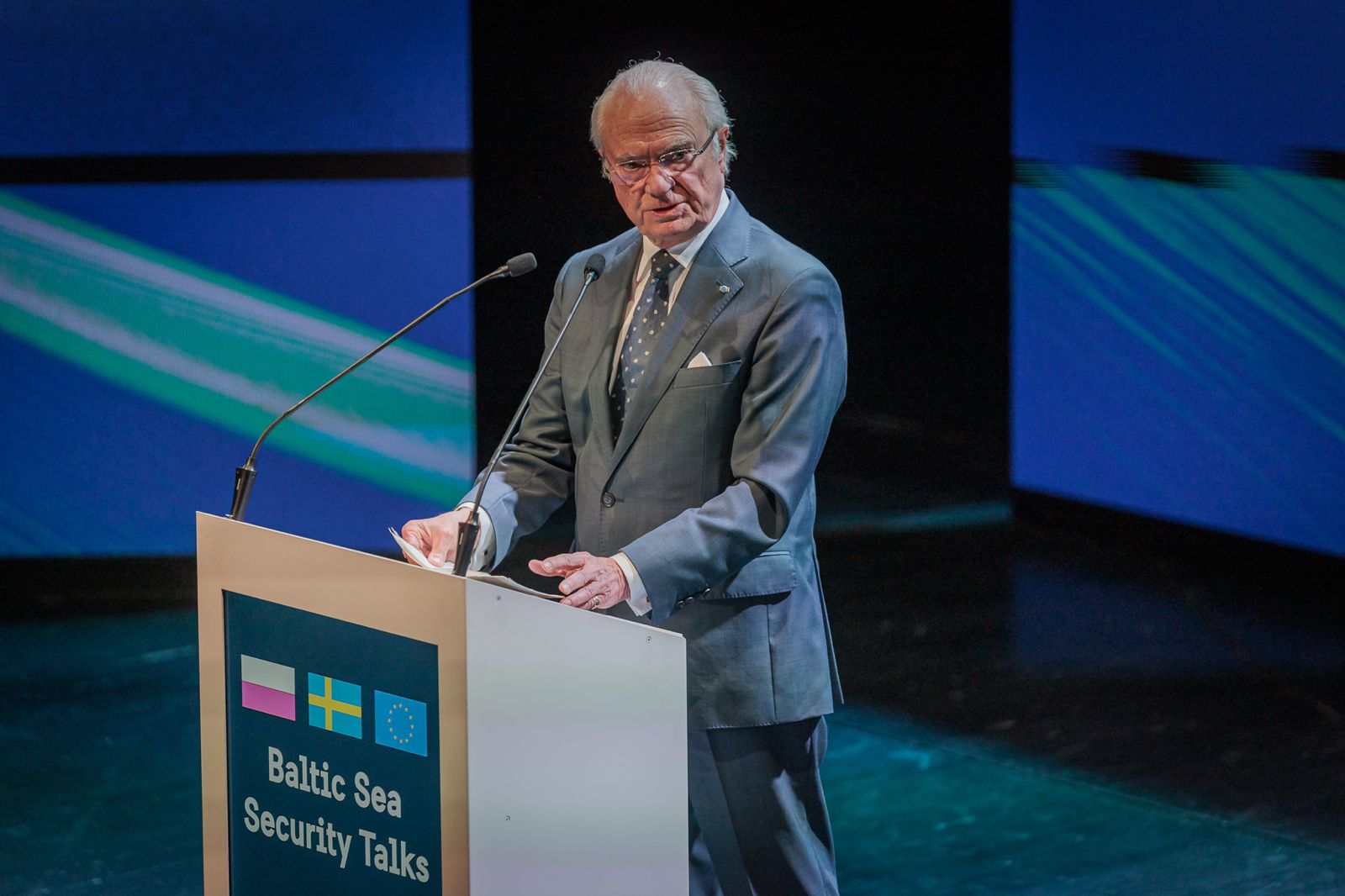
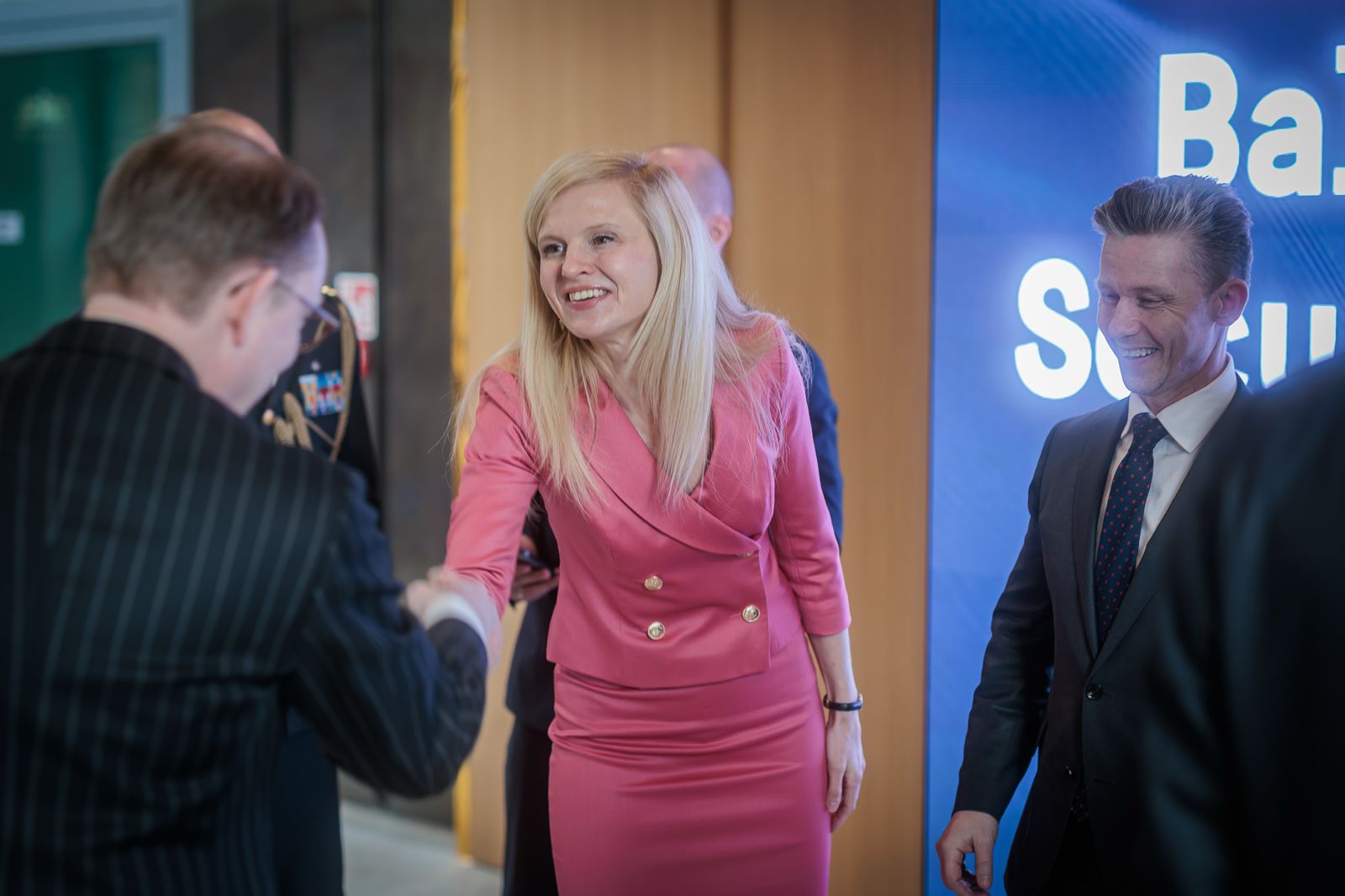
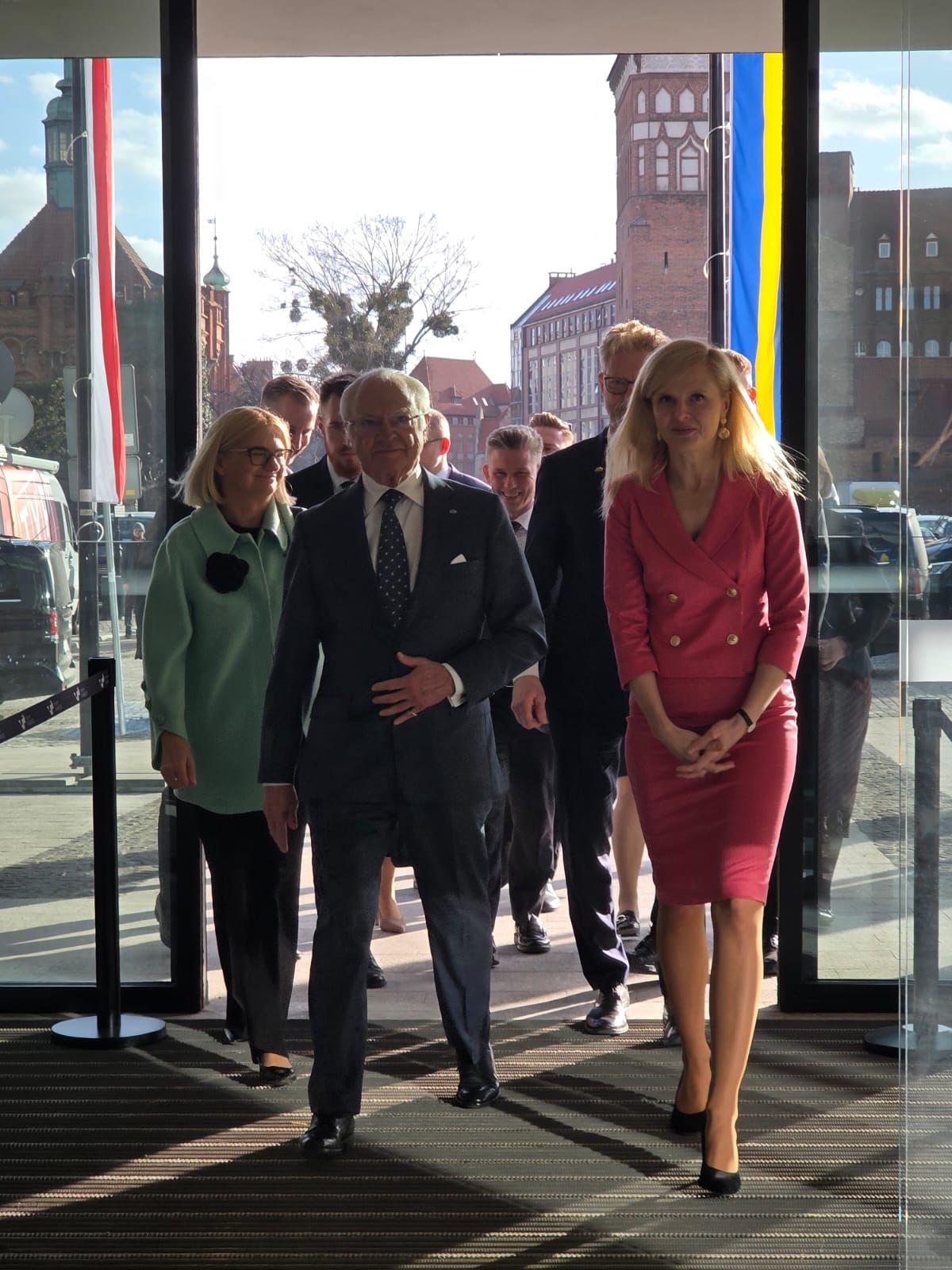
The arrival of His Majesty the King marked the official opening of the forum, presided over by prof. Katarzyna Pisarska. His Majesty King Carl XVI Gustaf set a tone of shared purpose and resolve:
“The partnership between Poland and Sweden is growing closer. The closer we stand together, the better equipped we are. We are part of a broader community that stands up to defend our common values. By strengthening our cooperation, we are building a stronger home for future generations.“
On behalf of HE President Karol Nawrocki, Marcin Przydacz, Head of the International Policy Bureau at the Chancellery of the President of Poland, underscored the strategic depth of bilateral ties:
“Our cooperation extends beyond the Baltic Sea. We are partners in the EU and allies in NATO. Our defence cooperation is entering a new, more ambitious phase. The planned acquisition of Swedish submarines for the Polish Navy is a powerful symbol of strategic trust between our nations and reflects our shared perspectives.”
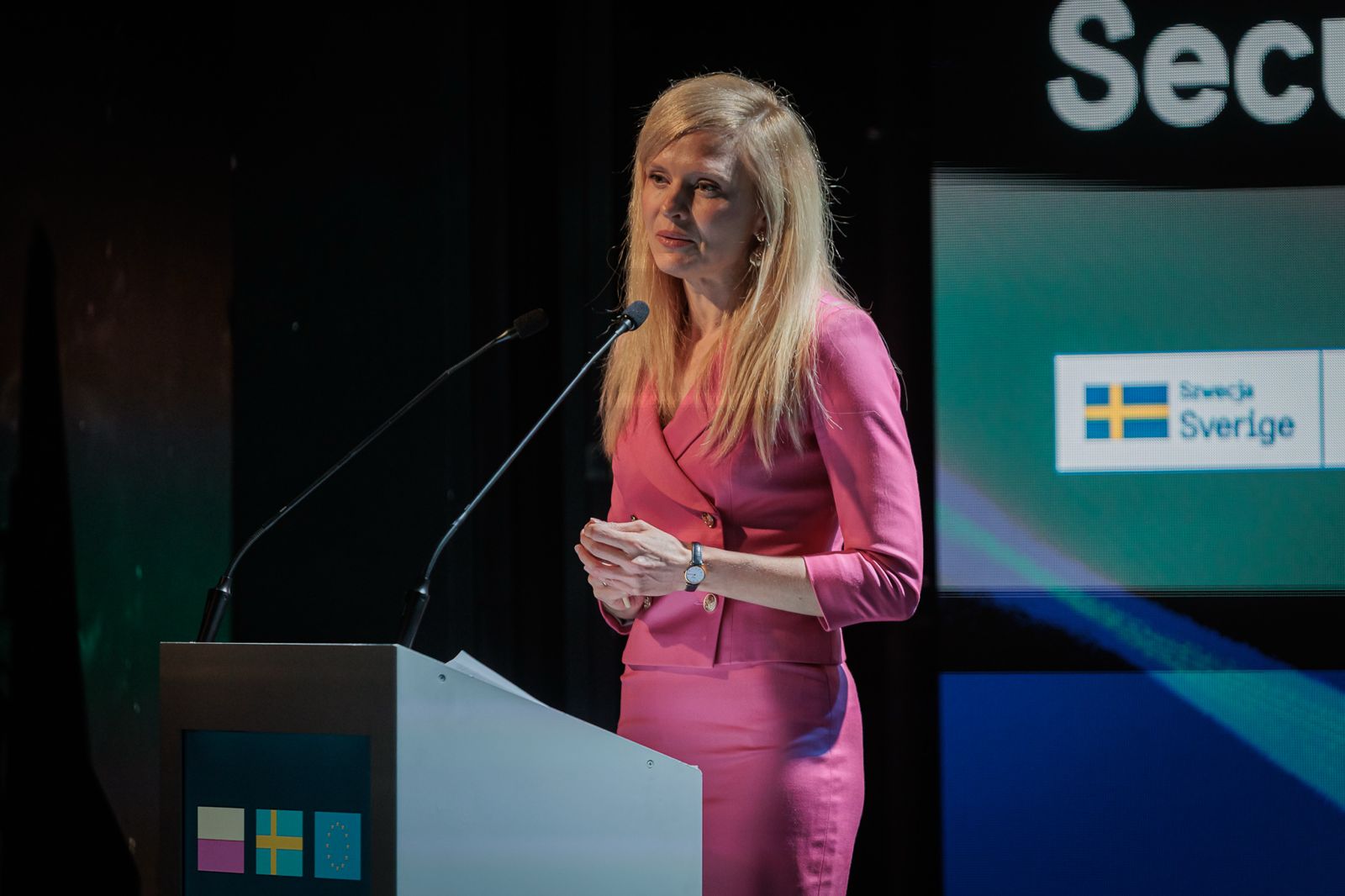
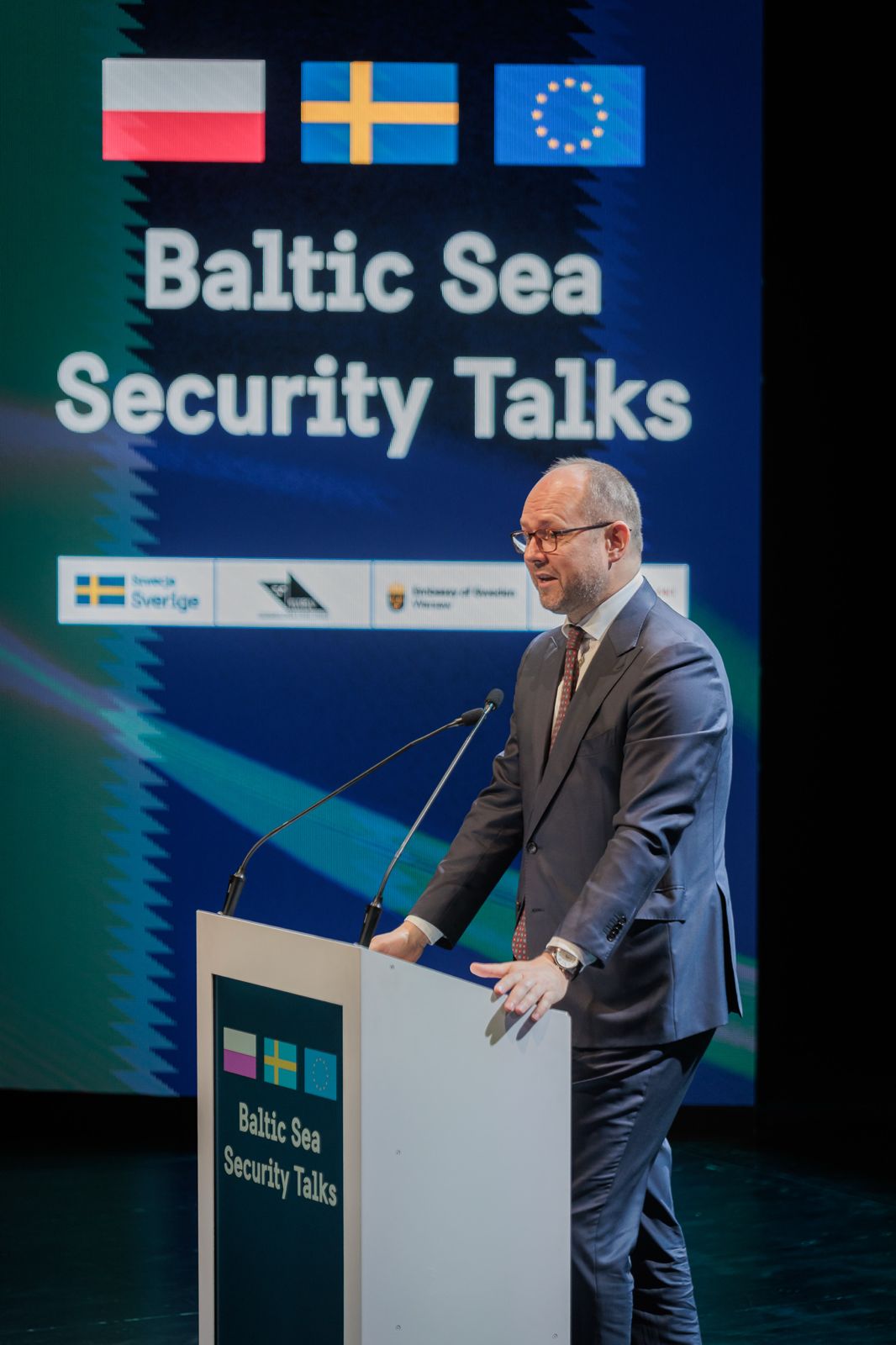
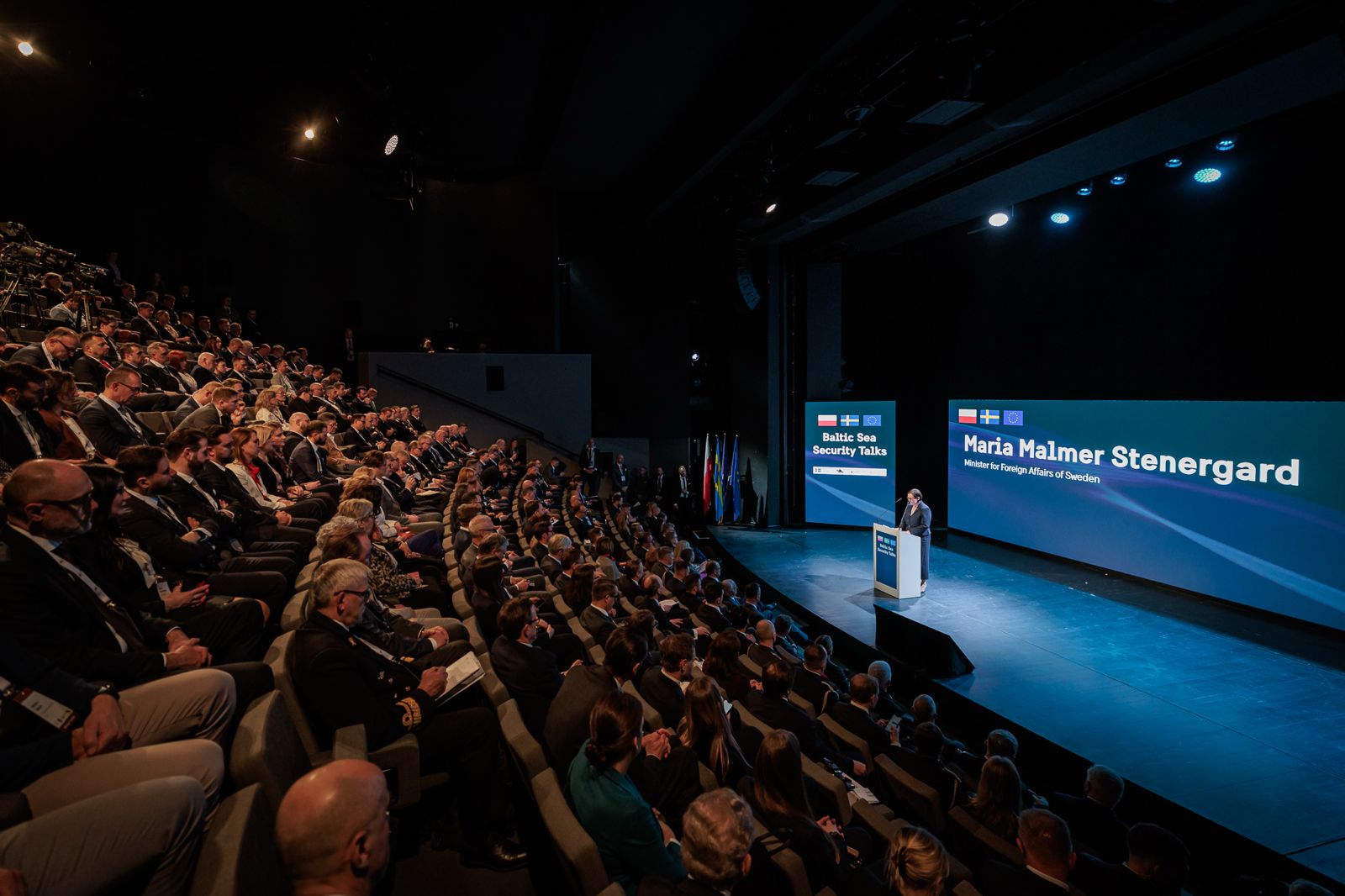
The ceremony was followed by a keynote address from Maria Malmer Stenergard, Minister for Foreign Affairs of Sweden, who offered a frank assessment of the current threat environment:
“As NATO allies, strategic partners, and neighbours, Poland and Sweden are pillars of Baltic security. We are fully aware of the challenges. For the foreseeable future, Russia will continue to test our preparedness to respond and will exploit every weakness. Our task is clear: deter Russia and preserve security.
Swedish and Polish Defence Industry – Building Capacity Together
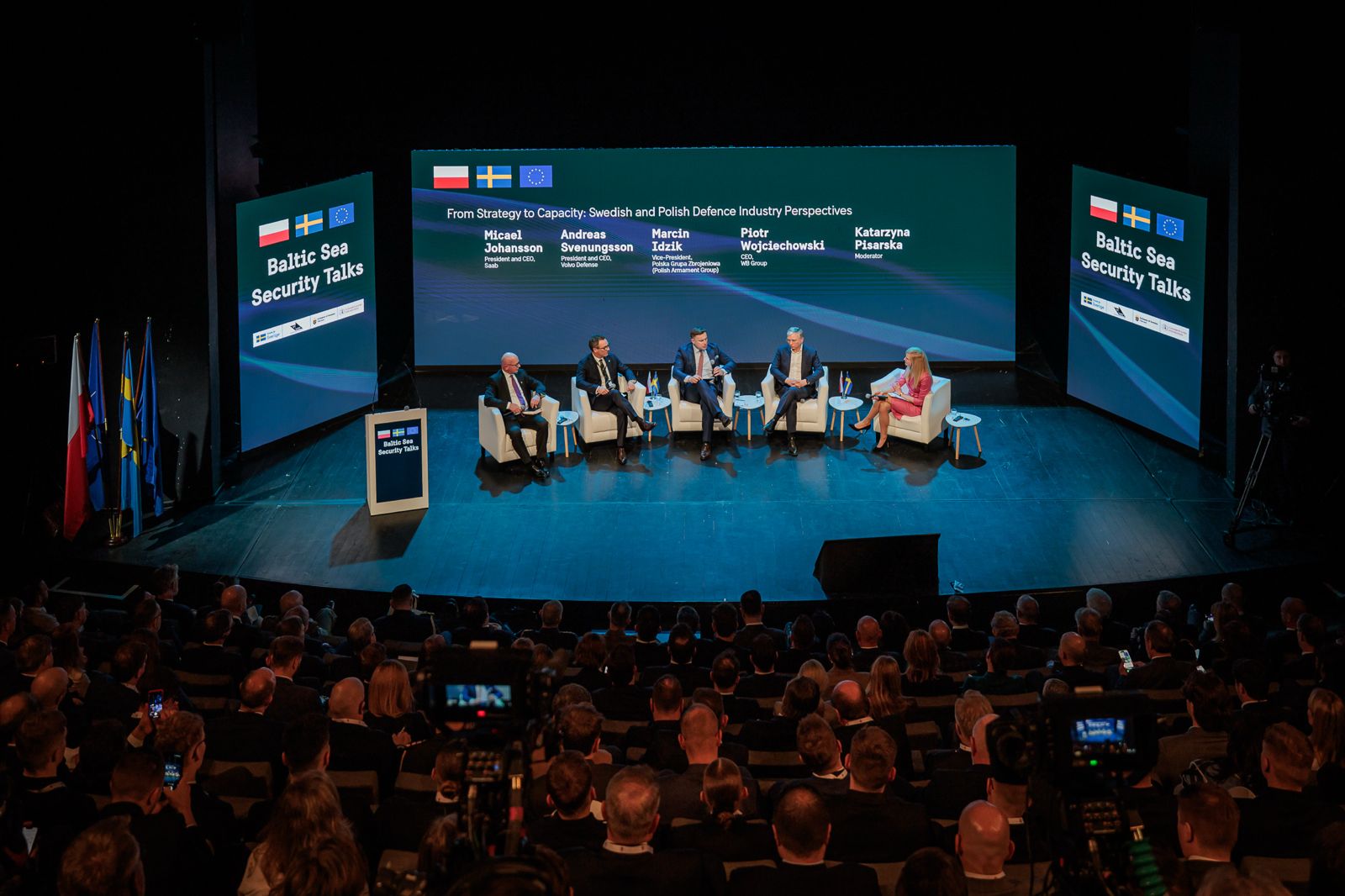
The second panel focused on the industrial dimension of the partnership. CEOs and senior executives from Polish and Swedish defence companies discussed how closer bilateral ties can translate into joint innovation, technology transfer, and co-development of military systems, as well as how to secure supply chains against hybrid threats.
Panellists also examined the role of long-range strike systems and unmanned technologies in strengthening conventional deterrence, particularly in the Baltic and Arctic maritime domains. The Swedish total defence model served as a key reference point, alongside opportunities for Polish-Swedish industrial cooperation in supporting Ukraine.
Technology, Innovation and Emerging Capabilities
The afternoon industry session, moderated by Tomasz Smura, Member of the Board of the Casimir Pulaski Foundation, gathered technology and sector specialists to examine capability areas where Polish-Swedish cooperation offers strong potential. Discussion covered artificial intelligence in defence systems, sovereign satellite and space infrastructure, airborne and unmanned platforms, smart manufacturing and robotisation, and collaboration in shipbuilding and the maritime industry.
Participants also addressed the growing threat posed by commercial drone proliferation – as tools for strike, espionage, and sabotage of critical infrastructure – and possible joint countermeasures developed by Polish and Swedish industry.
Memoranda of Understanding
On the sidelines of the forum, several Memoranda of Understanding were signed between participating organisations, translating the day’s dialogue into concrete industrial commitments.
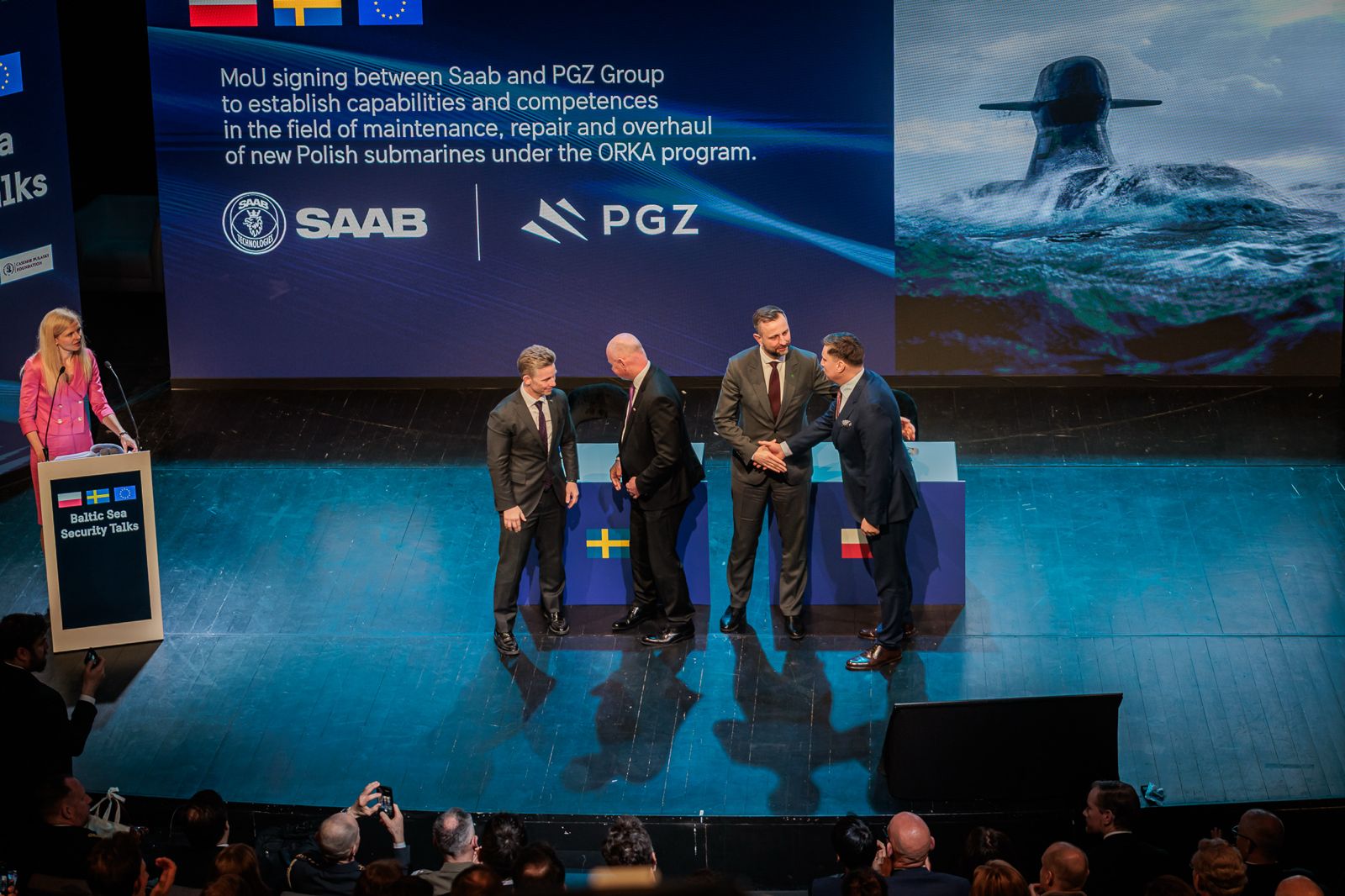
SAAB and Polska Grupa Zbrojeniowa signed a Memorandum of Understanding on establishing capabilities and competences for the maintenance, repair and overhaul of new Polish submarines in Poland under the ORKA programme, signed by Micael Johansson and Marcin Idzik.
SAAB and WB Group signed a Memorandum of Understanding on collaboration in the field of autonomous naval systems and unmanned aerial systems, covering the Gladius reconnaissance-strike platform and the Future Task Force concept, signed by Micael Johansson and Piotr Wojciechowski.
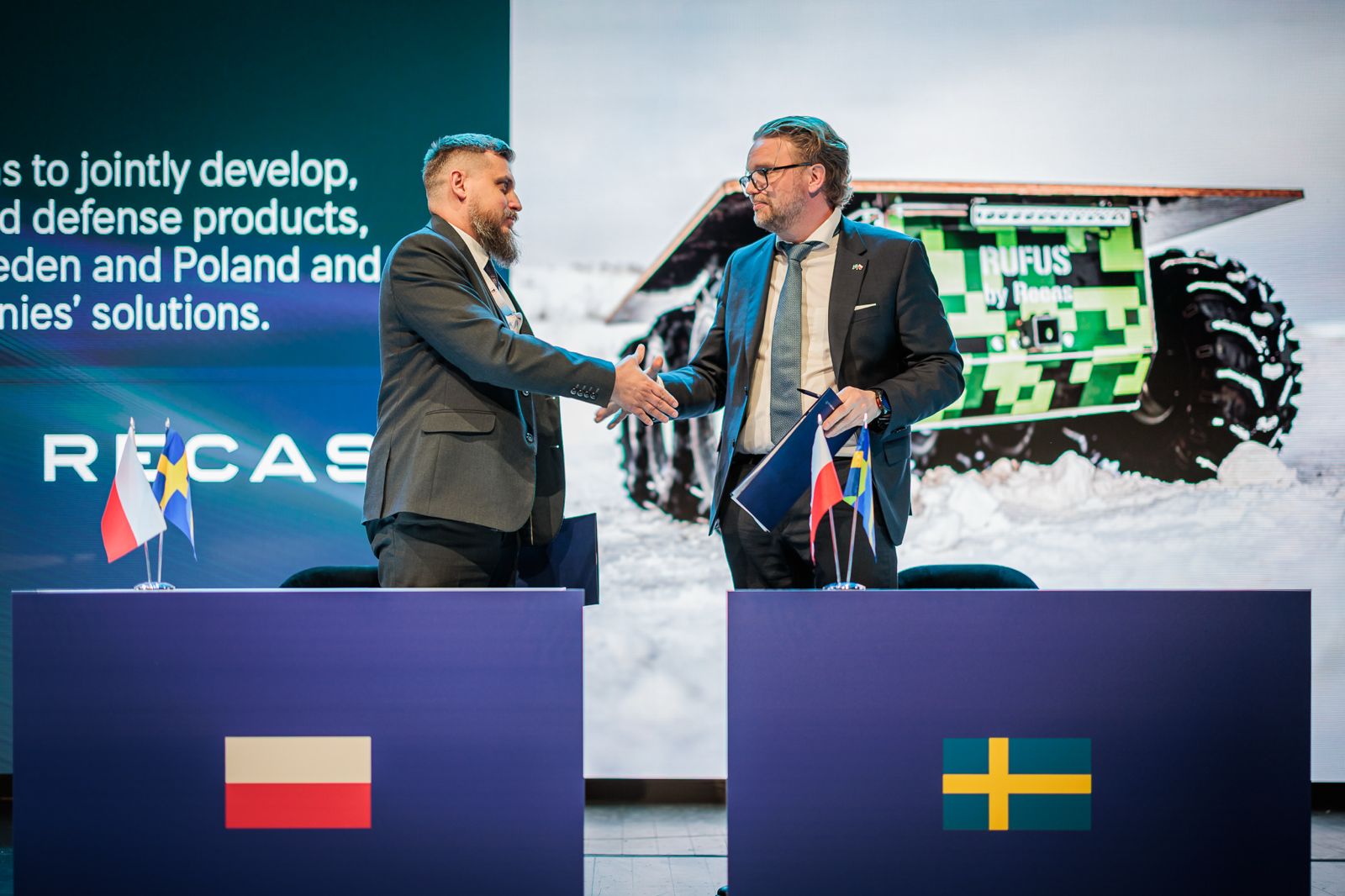
Tantalit and Recas signed a Letter of Intent to jointly develop, test, produce and distribute advanced defence products, signed by Maciej Klimczak and Micael Lawson.
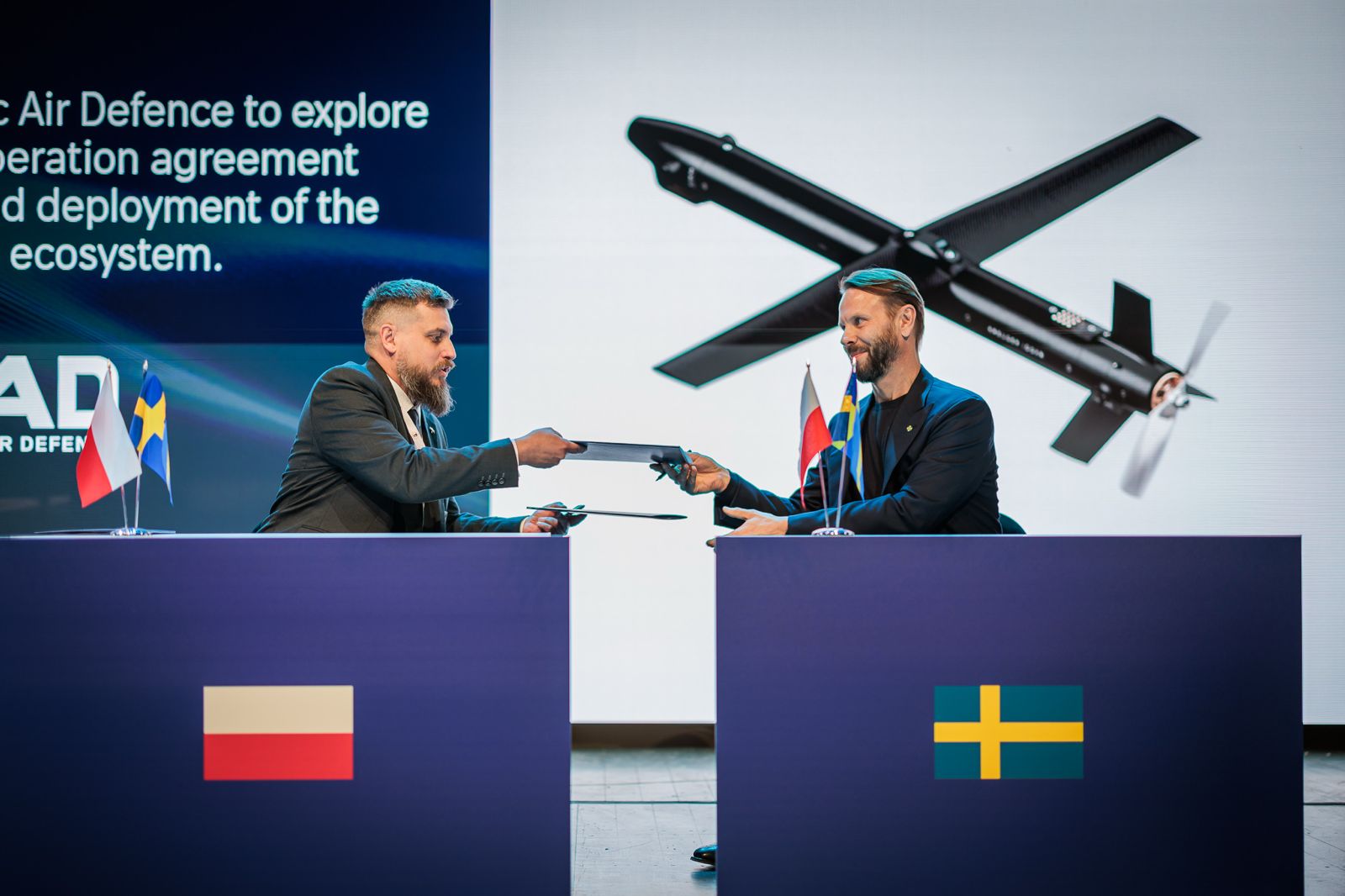
Finally, Tantalit and Nordic Air Defence signed a Letter of Intent to explore strategic cooperation on the integration, production, sales and deployment of the NAD K100 interceptor within Tantalit’s C-UAS ecosystem, signed by Maciej Klimczak and Karl Rosander.
Together, these agreements reflect the practical momentum generated by the Forum and the readiness of both sides to move from strategic dialogue to tangible partnership.
Thank you for joining us
The Baltic Sea Security Talks brought together political commitment, industrial capacity, and strategic foresight around a shared vision for regional security. The conference also reaffirmed the Casimir Pulaski Foundation’s and Warsaw Security Forum’s commitment to fostering dialogue at the intersection of policy, security, and industry, while strengthening the Nordic-Baltic-Black Sea cooperation format as a key axis of regional resilience in Central and Northern Europe.
Baltic Sea Security Talks: Strengthening the Polish-Swedish Strategic Partnership
On 12 March 2026, the Casimir Pulaski Foundation and the Warsaw Security Forum, together with the Embassy of Sweden in Poland and Business Sweden, hosted the inaugural Baltic Sea Security Talks at Teatr Wybrzeże in Gdańsk.
The conference took place on the occasion of the official state visit of Their Majesties King Carl XVI Gustaf and Queen Silvia of Sweden to Poland, bringing together senior government officials, security experts, and defence industry representatives from both countries for a day of high-level dialogue on Baltic Sea security and Swedish-Polish strategic cooperation.
The forum is a direct expression of one of the Casimir Pulaski Foundation’s Advocacy Priorities for 2026: the development of the Nordic-Baltic-Black Sea format as an operational axis of regional cooperation. It equally reflects our Foundation’s commitment to promoting investments that enhance the resilience and redundancy of maritime and subsea infrastructure across the Baltic basin.
Regional Security and Swedish-Polish Strategic Interests in the Baltic Sea
The forum opened with a panel moderated by prof. Katarzyna Pisarska, bringing together senior political and expert voices to assess European security and the role of Swedish-Polish cooperation. Panelists addressed hybrid and conventional threats in the Baltic Sea region, including sabotage of undersea infrastructure, evolving air and missile warfare, defence supply-chain resilience, and the broader security implications of the Middle East conflict.
A key moment came with the discussion of the ORKA programme – which was presented not merely as a procurement decision but as a defining symbol of the new depth of the bilateral strategic relationship. Pål Jonson, Minister for Defence of Sweden, captured this transformation in pointed terms:
“There are no other bilateral relations that have transformed as much as ours with Poland since we joined NATO.”
Władysław Kosiniak-Kamysz, Deputy Prime Minister and Minister of National Defence of Poland, addressed the ongoing discussion on the nuclear dimension of European security, calling for coherence within Alliance frameworks:
“Within NATO, we should not be posing dilemmas to one another, but to Russia. The French nuclear umbrella should not be an alternative to the nuclear sharing programme, but its complement. These are Alliance decisions. We cannot build nuclear rivalry within NATO – all decisions on this matter should be made on the basis of NATO Headquarters arrangements.”
Official Opening Ceremony
The arrival of His Majesty the King marked the official opening of the forum, presided over by prof. Katarzyna Pisarska. His Majesty King Carl XVI Gustaf set a tone of shared purpose and resolve:
“The partnership between Poland and Sweden is growing closer. The closer we stand together, the better equipped we are. We are part of a broader community that stands up to defend our common values. By strengthening our cooperation, we are building a stronger home for future generations.“
On behalf of HE President Karol Nawrocki, Marcin Przydacz, Head of the International Policy Bureau at the Chancellery of the President of Poland, underscored the strategic depth of bilateral ties:
“Our cooperation extends beyond the Baltic Sea. We are partners in the EU and allies in NATO. Our defence cooperation is entering a new, more ambitious phase. The planned acquisition of Swedish submarines for the Polish Navy is a powerful symbol of strategic trust between our nations and reflects our shared perspectives.”
The ceremony was followed by a keynote address from Maria Malmer Stenergard, Minister for Foreign Affairs of Sweden, who offered a frank assessment of the current threat environment:
“As NATO allies, strategic partners, and neighbours, Poland and Sweden are pillars of Baltic security. We are fully aware of the challenges. For the foreseeable future, Russia will continue to test our preparedness to respond and will exploit every weakness. Our task is clear: deter Russia and preserve security.
Swedish and Polish Defence Industry – Building Capacity Together
The second panel focused on the industrial dimension of the partnership. CEOs and senior executives from Polish and Swedish defence companies discussed how closer bilateral ties can translate into joint innovation, technology transfer, and co-development of military systems, as well as how to secure supply chains against hybrid threats.
Panellists also examined the role of long-range strike systems and unmanned technologies in strengthening conventional deterrence, particularly in the Baltic and Arctic maritime domains. The Swedish total defence model served as a key reference point, alongside opportunities for Polish-Swedish industrial cooperation in supporting Ukraine.
Technology, Innovation and Emerging Capabilities
The afternoon industry session, moderated by Tomasz Smura, Member of the Board of the Casimir Pulaski Foundation, gathered technology and sector specialists to examine capability areas where Polish-Swedish cooperation offers strong potential. Discussion covered artificial intelligence in defence systems, sovereign satellite and space infrastructure, airborne and unmanned platforms, smart manufacturing and robotisation, and collaboration in shipbuilding and the maritime industry.
Participants also addressed the growing threat posed by commercial drone proliferation – as tools for strike, espionage, and sabotage of critical infrastructure – and possible joint countermeasures developed by Polish and Swedish industry.
Memoranda of Understanding
On the sidelines of the forum, several Memoranda of Understanding were signed between participating organisations, translating the day’s dialogue into concrete industrial commitments.
SAAB and Polska Grupa Zbrojeniowa signed a Memorandum of Understanding on establishing capabilities and competences for the maintenance, repair and overhaul of new Polish submarines in Poland under the ORKA programme, signed by Micael Johansson and Marcin Idzik.
SAAB and WB Group signed a Memorandum of Understanding on collaboration in the field of autonomous naval systems and unmanned aerial systems, covering the Gladius reconnaissance-strike platform and the Future Task Force concept, signed by Micael Johansson and Piotr Wojciechowski.
Tantalit and Recas signed a Letter of Intent to jointly develop, test, produce and distribute advanced defence products, signed by Maciej Klimczak and Micael Lawson.
Finally, Tantalit and Nordic Air Defence signed a Letter of Intent to explore strategic cooperation on the integration, production, sales and deployment of the NAD K100 interceptor within Tantalit’s C-UAS ecosystem, signed by Maciej Klimczak and Karl Rosander.
Together, these agreements reflect the practical momentum generated by the Forum and the readiness of both sides to move from strategic dialogue to tangible partnership.
Thank you for joining us
The Baltic Sea Security Talks brought together political commitment, industrial capacity, and strategic foresight around a shared vision for regional security. The conference also reaffirmed the Casimir Pulaski Foundation’s and Warsaw Security Forum’s commitment to fostering dialogue at the intersection of policy, security, and industry, while strengthening the Nordic-Baltic-Black Sea cooperation format as a key axis of regional resilience in Central and Northern Europe.