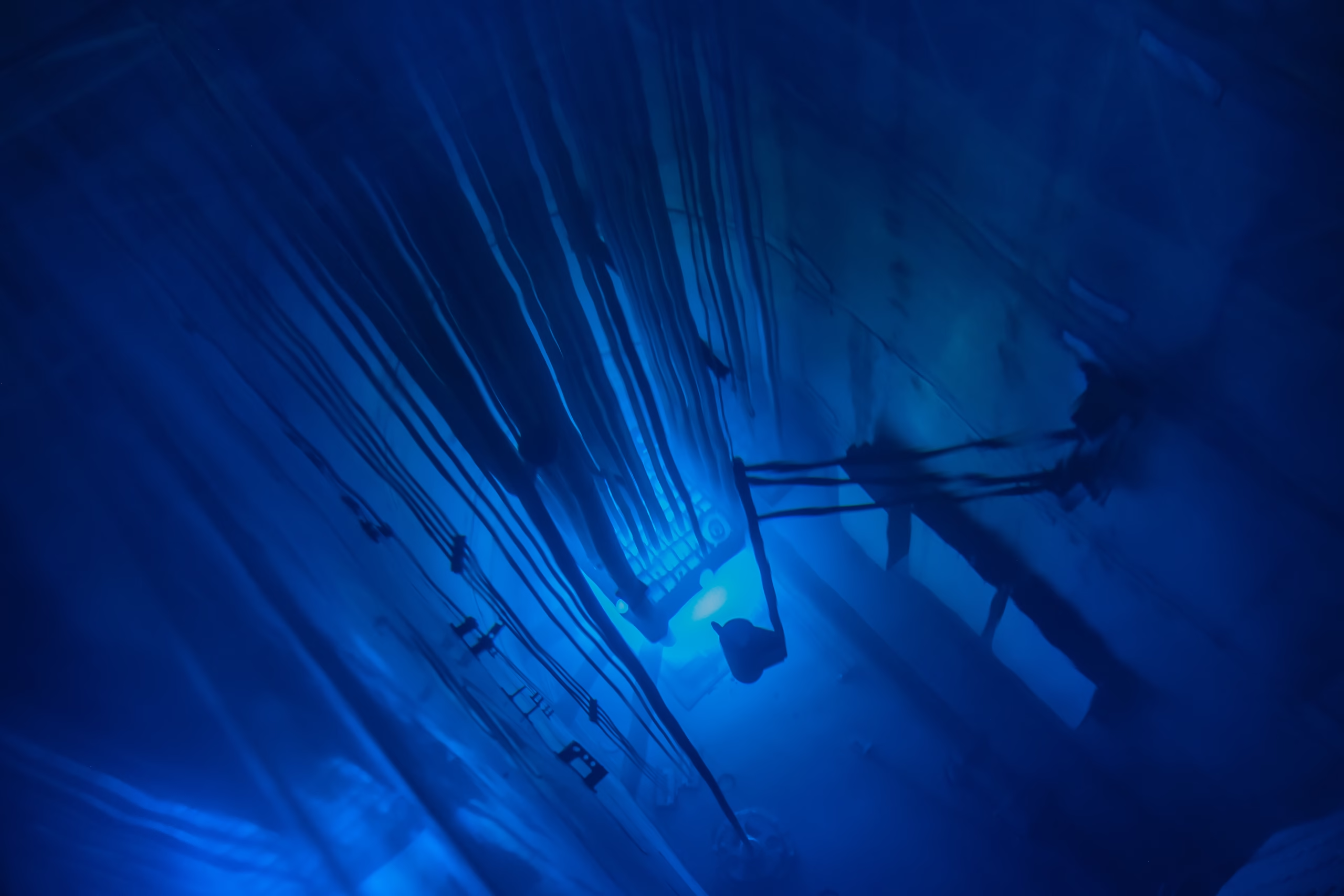
Blue glow water of nuclear reactor core powered, caused by Cherenkov radiation, fuel plates industrial uran
Autor foto: Public Domain
Trends in the use of research nuclear reactors featuring the OPAL, KJRR, and PALLAS type reactors
February 20, 2026
Author: Mikołaj Oettingen


Blue glow water of nuclear reactor core powered, caused by Cherenkov radiation, fuel plates industrial uran
Autor foto: Public Domain
Trends in the use of research nuclear reactors featuring the OPAL, KJRR, and PALLAS type reactors
Author: Mikołaj Oettingen
Published: February 20, 2026
This analysis presents three research reactors under construction or in operation in different parts of the world: OPAL in Australia, KJRR in South Korea, and PALLAS in the Netherlands. These reactors were selected to analyze the rationale for their construction in highly developed countries, which may provide Polish decision-makers with grounds for initiating conceptual work on the possible replacement of the MARIA reactor or the construction of a new reactor and accompanying infrastructure as an alternative to the MARIA reactor. The expected remaining lifetime of the MARIA reactor is approximately 20 years, and the overall process leading to the commissioning of a new research reactor is estimated in this analysis to take approximately 15-19 years. This relationship directly indicates the imminent need to begin conceptual work related to the construction of a new research reactor in Poland. The analysis also aims to identify the main trends in the construction of scientific and commercial infrastructure related to the operation of research reactors. The criteria for selecting reactors for analysis were based on their location – highly developed, economically stable countries; the type of reactor – multifunctional pool-type reactors; the time of the decision to build – the decision to build was made no later than 30 years ago; and transparency in access to reliable information about the reactor.