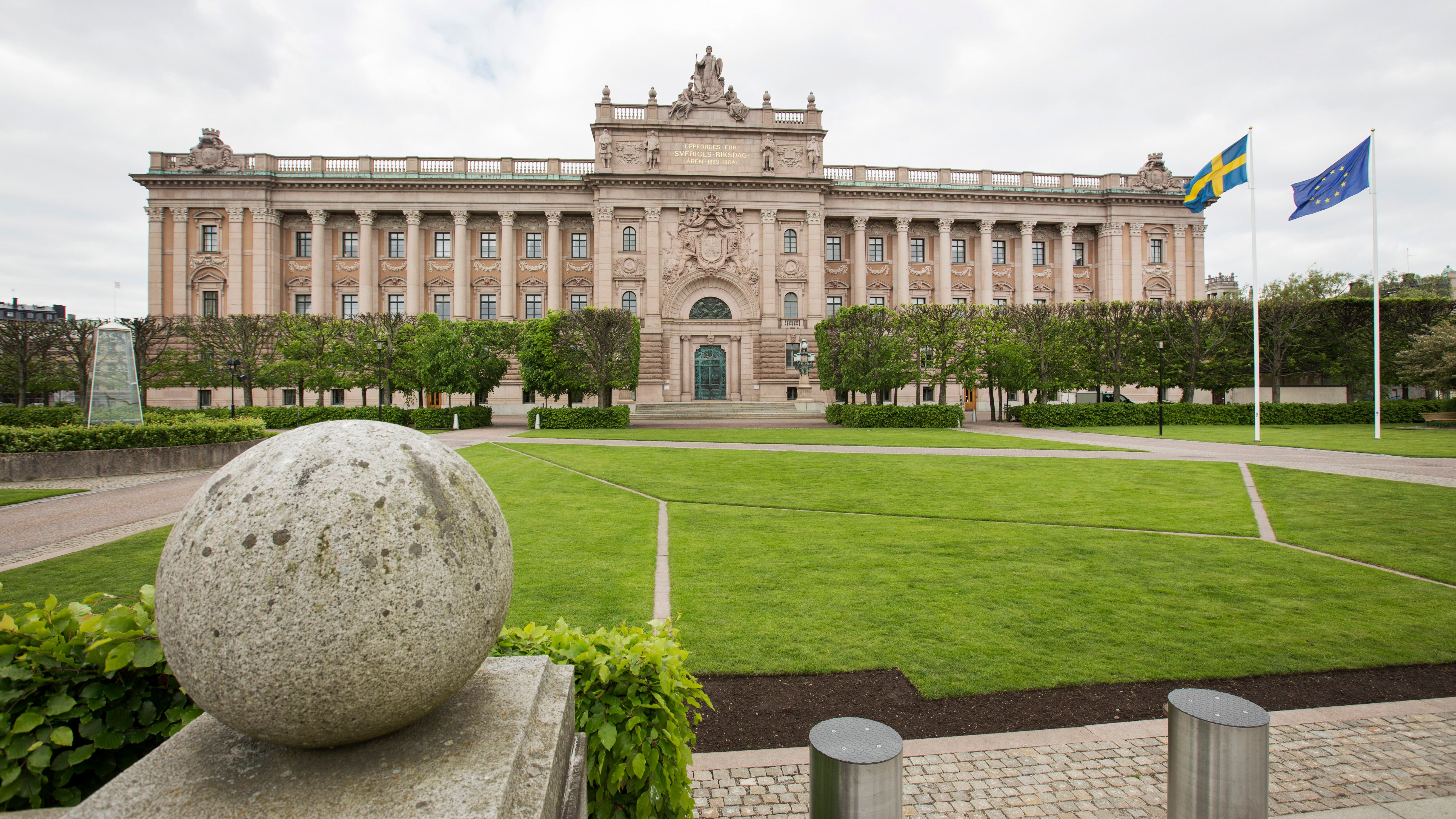
riksdagshuset-ro-maj (1)
Autor foto: Melker Dahlstrand/Riksdag
Sweden After the Elections: Analysis of Sweden’s Political Landscape in 2026
September 22, 2026
Author: Karolina Pawlik, Adam Żyłka

riksdagshuset-ro-maj (1)
Autor foto: Melker Dahlstrand/Riksdag
Sweden After the Elections: Analysis of Sweden’s Political Landscape in 2026
Author: Karolina Pawlik, Adam Żyłka
Published: September 22, 2026
On Sunday, September 13th, parliamentary, regional council, and municipal council elections were held in Sweden, with nearly 85% of eligible citizens taking part. Foreign media were quick to announce the victory of the center-left opposition and the return of Social Democrats leader Magdalena Andersson to the position of prime minister. However, the situation in reality remains far more complex. Although the hitherto governing center-right Tidö coalition fell two seats short of a parliamentary majority, it is difficult to speak of a victory for the internally divided opposition, and the leaders of all parliamentary parties are likely facing lengthy coalition negotiations. This policy paper provides an extended commentary on the elections, analysing the key aspects of the campaign and potential coalition scenarios.