dezinformacja (2) (1)
Autor foto: Casimir Pulaski Foundation
New Wave of Russian Disinformation Against Poland 2026: Patterns, Tools, Responses
June 30, 2026
Author: Maciej F. Bukowski, Agnieszka Grzegorzewska

dezinformacja (2) (1)
Autor foto: Casimir Pulaski Foundation
New Wave of Russian Disinformation Against Poland 2026: Patterns, Tools, Responses
Author: Maciej F. Bukowski, Agnieszka Grzegorzewska
Published: June 30, 2026
The information space has become one of the key dimensions of contemporary political and geopolitical rivalry. States, political organizations, media, and non-state actors increasingly compete not only for control over territory, resources, or military capabilities, but also for the ability to shape public perception, the interpretation of events, and citizens’ trust in public institutions. As a result, information, and subsequently narratives, have become an essential element of state security and resilience of democratic societies.
This process gained particular significance following the Russian aggression against Ukraine in 2022. The war waged on the battlefield has been accompanied by information activities aimed at influencing social attitudes both in the states directly involved in the conflict, and in the states supporting Ukraine politically, economically, and militarily. Public debate increasingly features messaging that undermines the rationale for supporting Ukraine, the credibility of Western institutions, the effectiveness of European states’ energy policies, or the capacity of democracies to respond to contemporary crises.
However, this does not mean that all controversial opinions or critical stances should be treated as part of disinformation activities. Energy, migrations, and security are areas that naturally elicit political and social disputes. This is precisely why it is particularly important to distinguish between actual public debate and messaging that employs manipulation, selective presentation of facts, or false information to reinforce specific social attitudes and emotions.
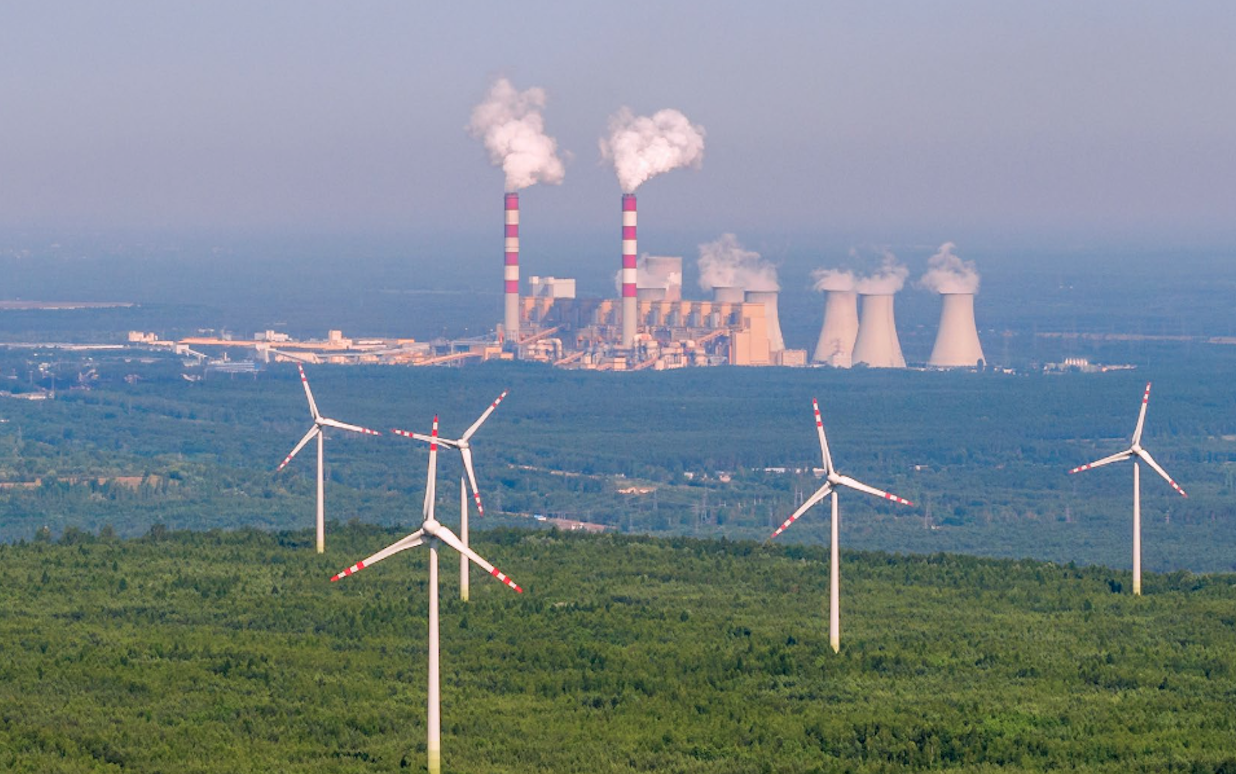
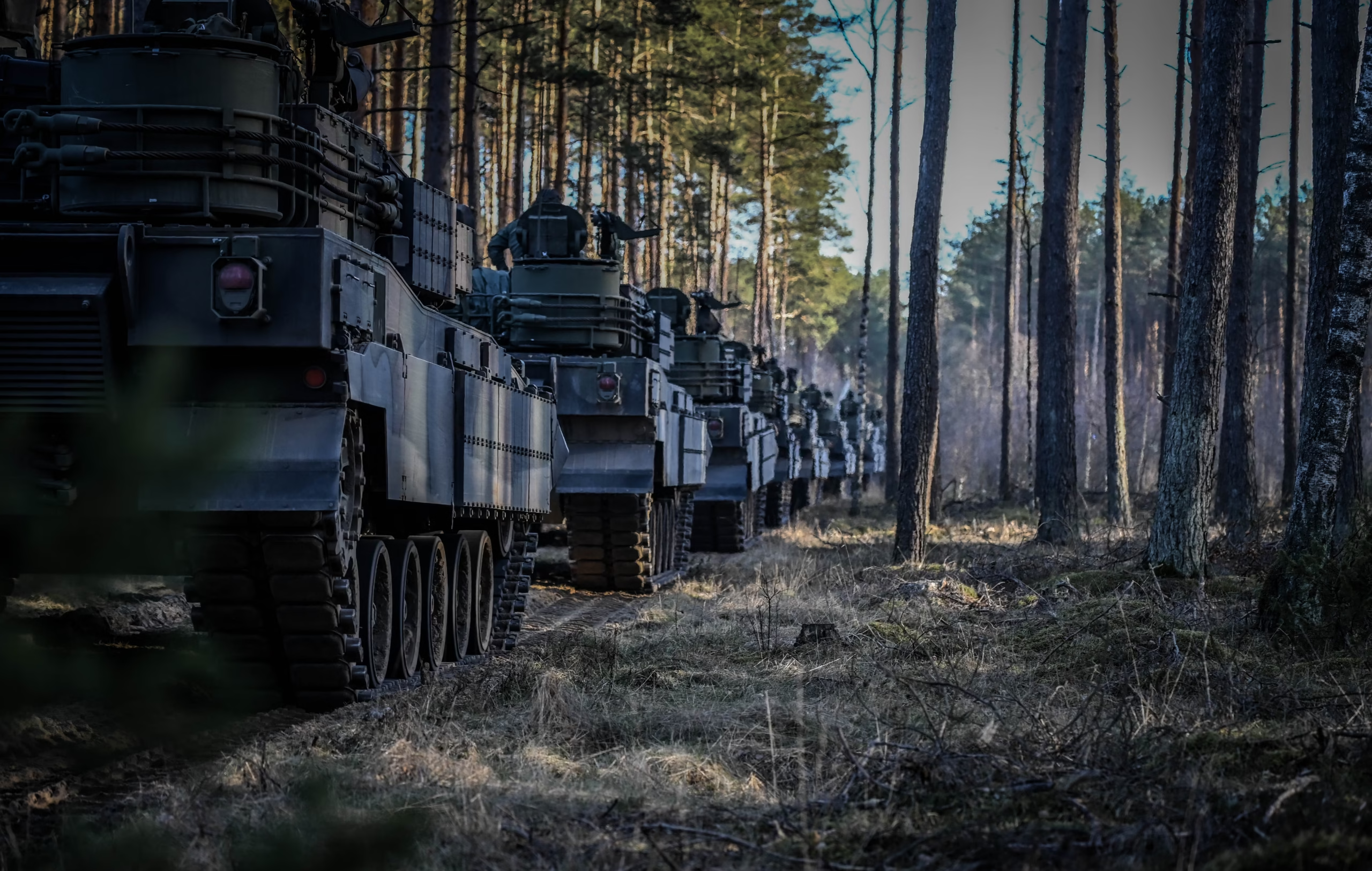
The purpose of this report is to identify the dominant disinformation narratives present in the Polish- and Russian-speaking infospheres across three areas of particular relevance to state security and social cohesion: energy, migrations, and Euro-Atlantic security. These areas were not chosen at random, as each one remains directly linked to the consequences of the Russian aggression against Ukraine and is the subject of intense public debate in both Poland and Russia.