

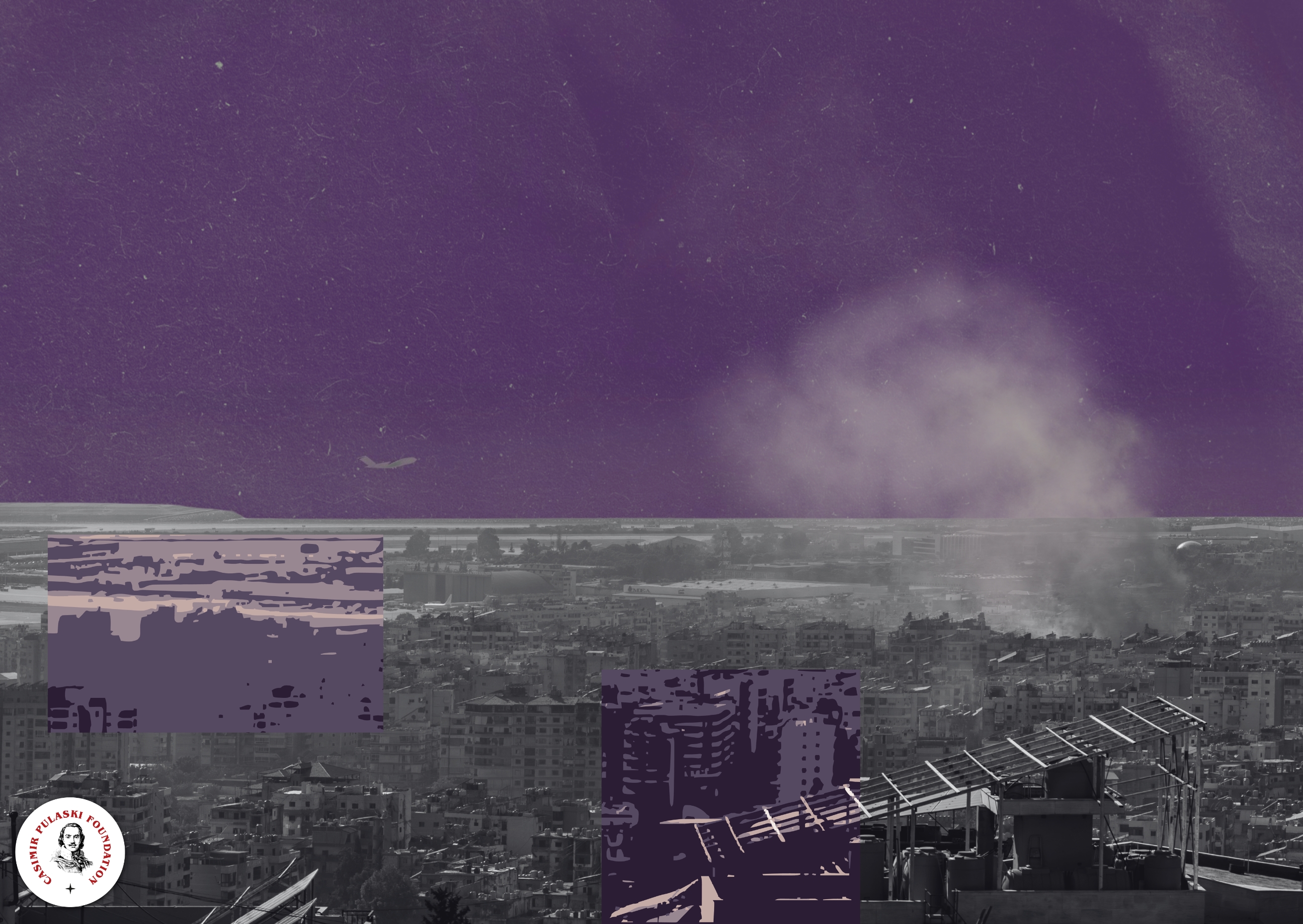
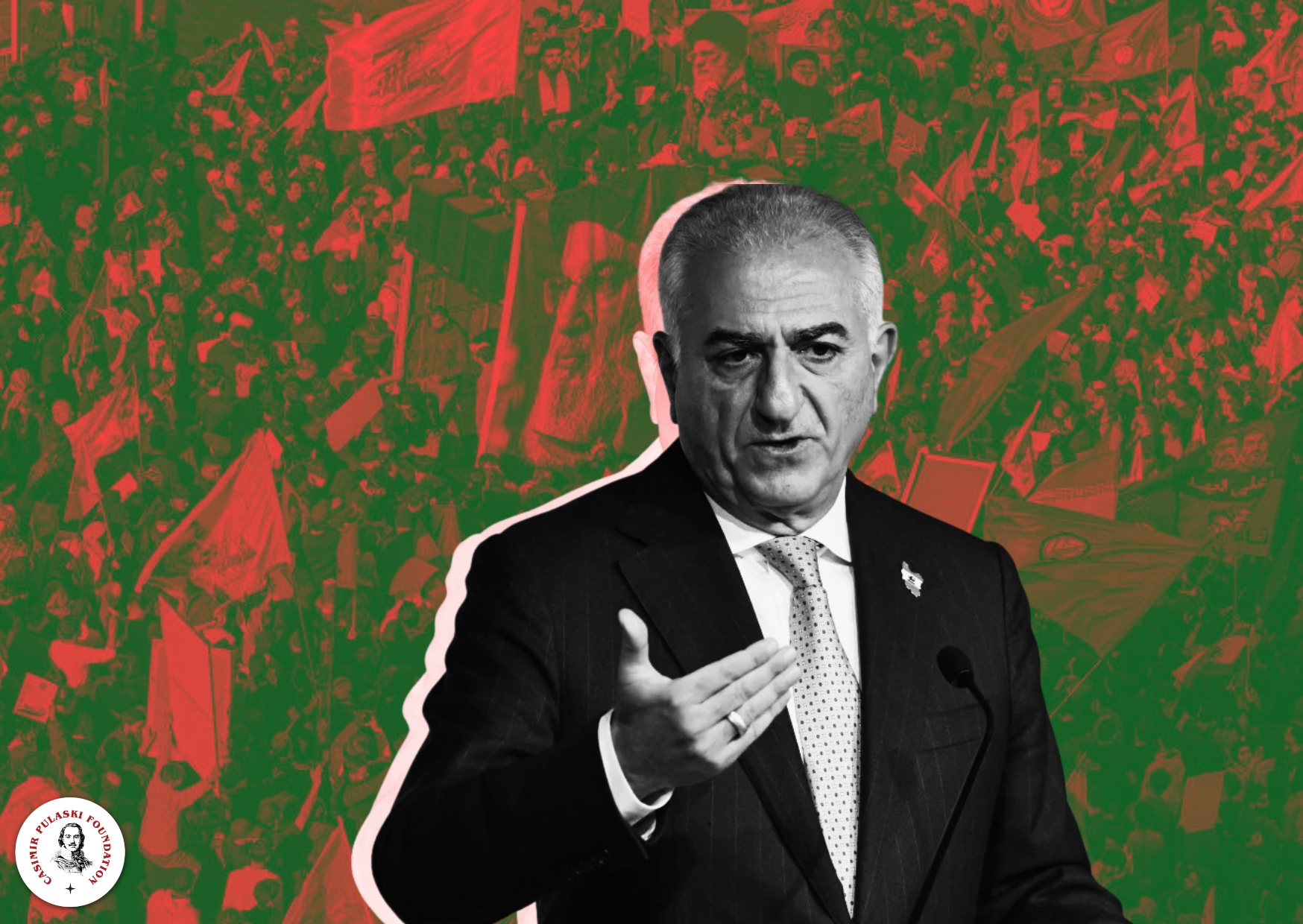
Away from the deadlines reporting on the US-Israeli war with Iran (now in a hiatus phase), another, concurrent armed conflict has been taking place, expanding in both geographic scope and intensity, namely the Israeli invasion of Lebanon. Hezbollah launched projectiles on 1st March into Haifa (all of which were intercepted) as revenge for the killing of Iranian Supreme Leader Ali Khamenei. The Israeli responded with a rocket barrage ultimately targeting 50 villages south of the Litani River and southern Beirut (evacuation orders were sent last minute to the Lebanese civilian population), followed by a ground assault. This event marked the outbreak of the seventh armed conflict between Israel and Lebanon since the establishment of the State of Israel
Author: Karolina Pawlik
Published: 20/04/2026

Author: Maciej Dachowski
Published: 17/04/2026

Author: Maciej Dachowski, Ewelina Załuska
Published: 15/04/2026
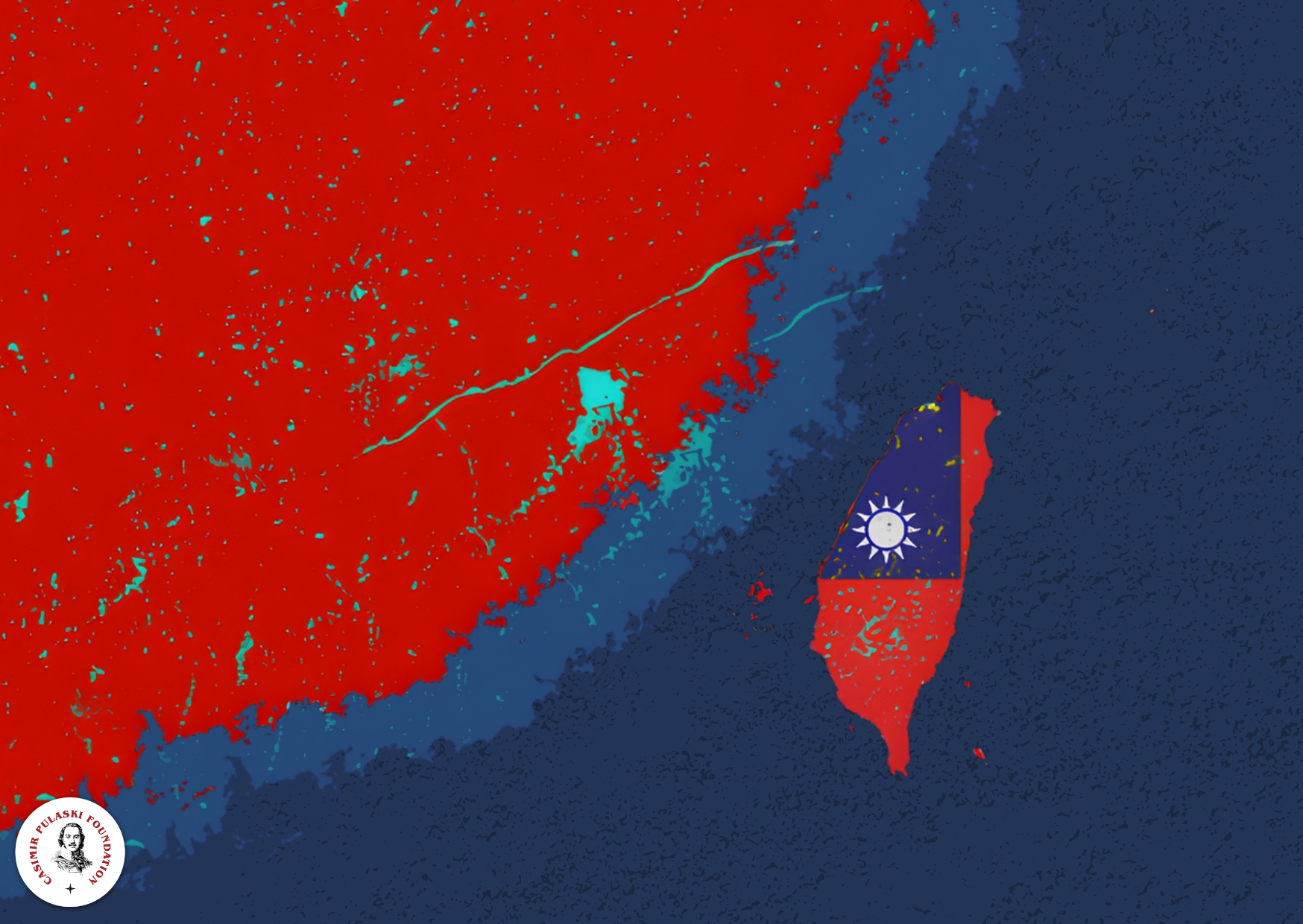
Cheng Li-wun, Kuomintang’s (KMT – current Taiwanese opposition) leader, just concluded her April 7-12 visit to People’s Republic of China.
Author: Krzysztof Kozłowski
Published: 14/04/2026

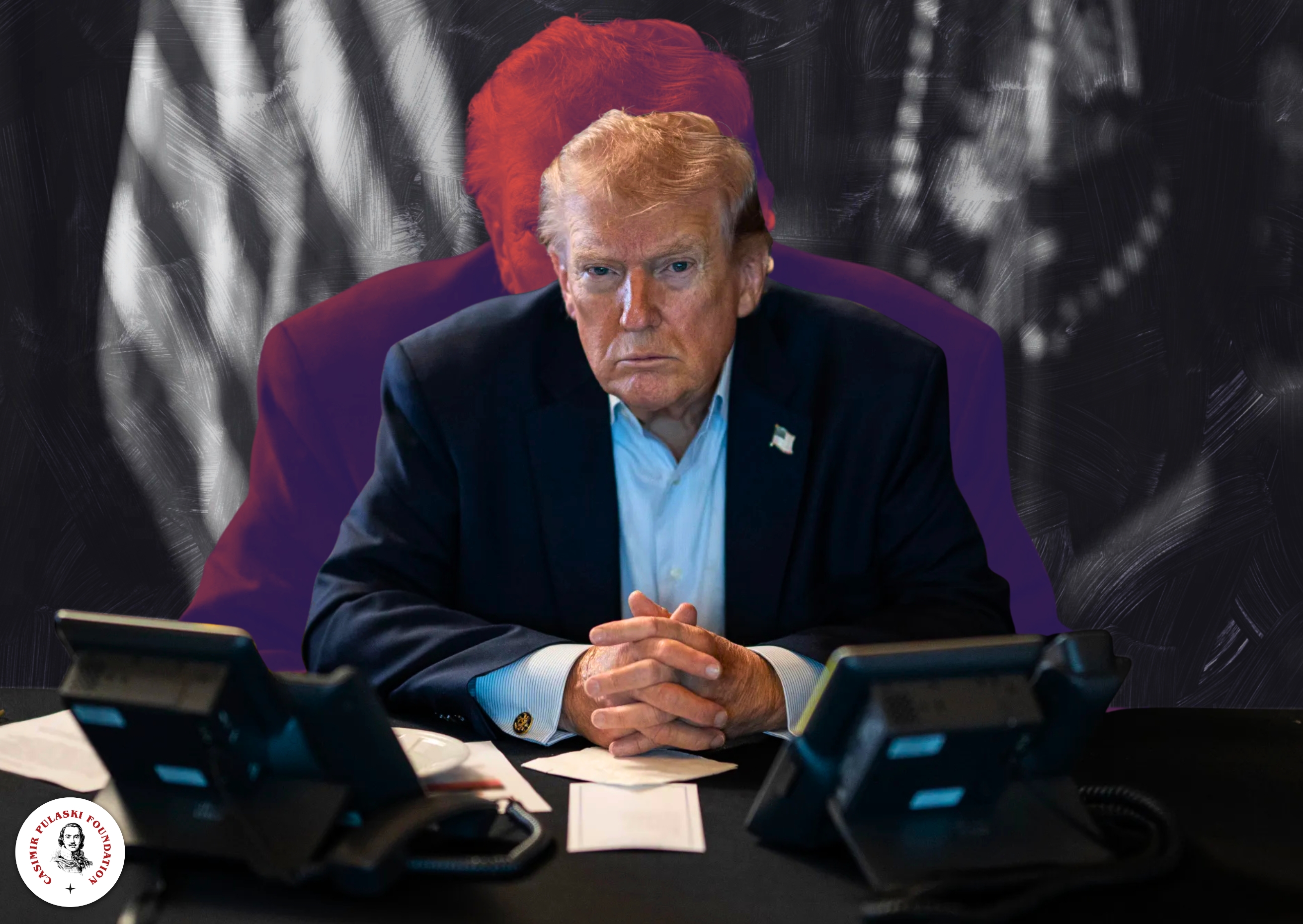
The conflict between Israel and the United States against Iran unfolds amid a deepening crisis of the international liberal order established after World War II. This war highlights a series of shocks that undermine the legitimacy of the existing axiological framework.
Author: Mateusz Chudziak
Published: 13/04/2026
On March 20 of this year, the U.S. Department of State established a new institution—the Bureau of Disaster and Humanitarian Response (DHR).
Author: Ewa Polak
Published: 10/04/2026


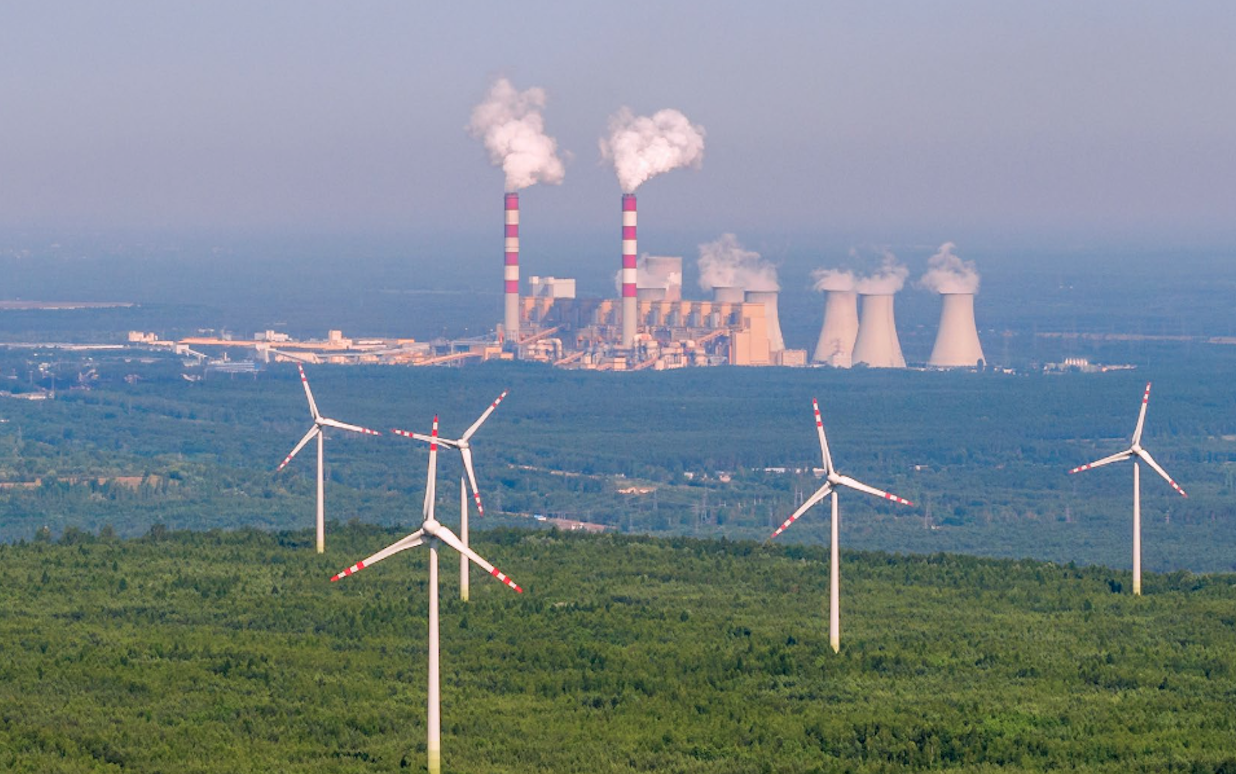
Poland’s energy security has undergone a fundamental transformation in recent years, shifting from dependence on external suppliers to a system built on diversified infrastructure and greater national control. While this has reduced vulnerability to political coercion, it has also created a more complex system in which security depends increasingly on the resilience of infrastructure and the ability of institutions to respond under pressure.
Author: Karolina Pawlik, Maciej F. Bukowski
Published: 31/03/2026


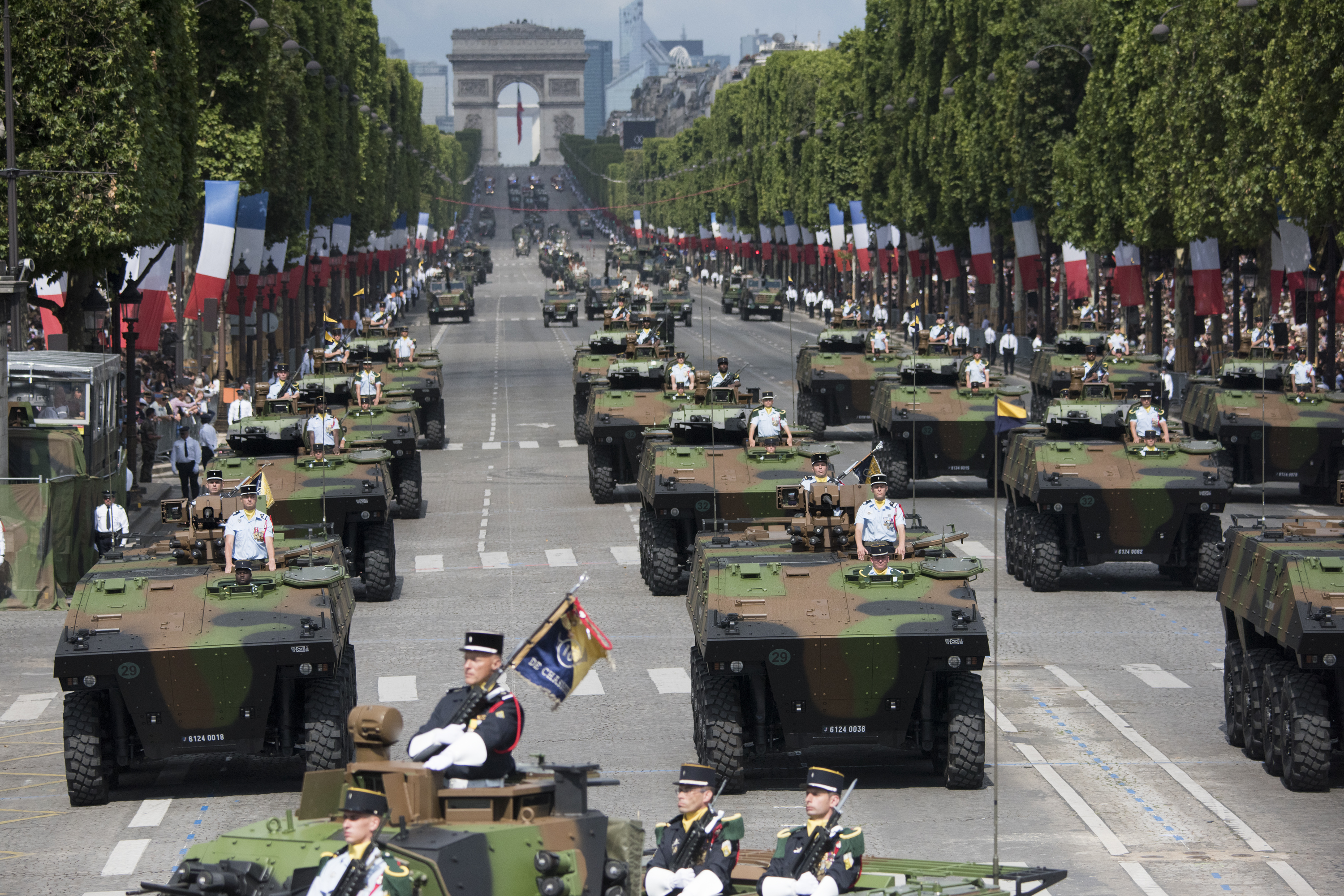
On March 2, 2026, French President Emmanuel Macron announced in Brest a revision of nuclear deterrence policy aimed at increasing France’s nuclear potential and enhancing cooperation in this area with allies. This is another element of a broader adaptation of French security policy in the context of Russia’s war against Ukraine and growing uncertainty regarding the United States’ commitment to European security, including in light of the new U.S. National Security Strategy.
Author: dr Tomasz Smura
Published: 25/03/2026

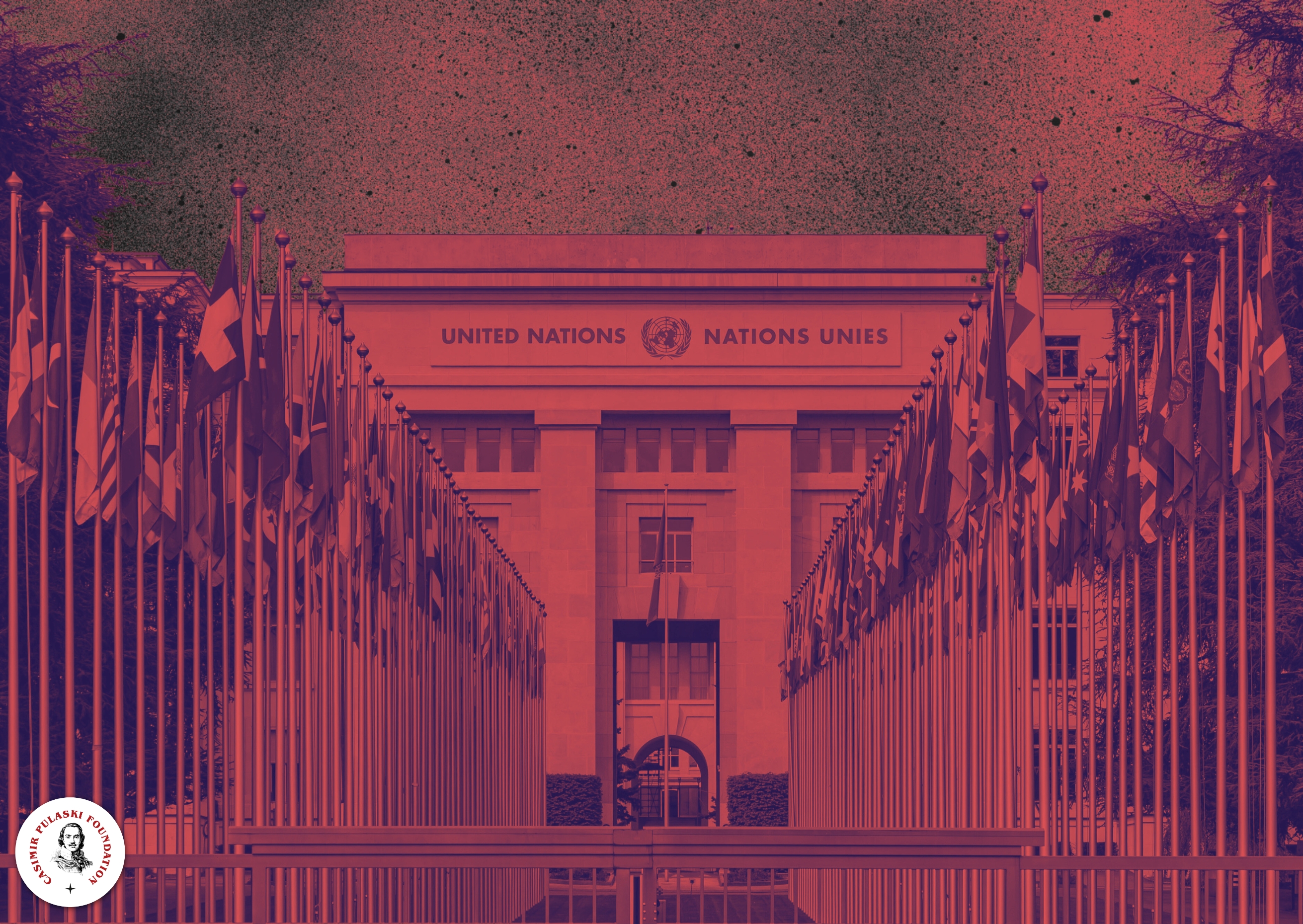
António Guterres is finishing his ten-year tenure in a world that barely resembles the one the UN was built for. Peace negotiations happen without the organization. Conflicts are managed outside the Security Council. Alternative frameworks are displacing institutions.
Author: Maciej Dachowski
Published: 20/03/2026

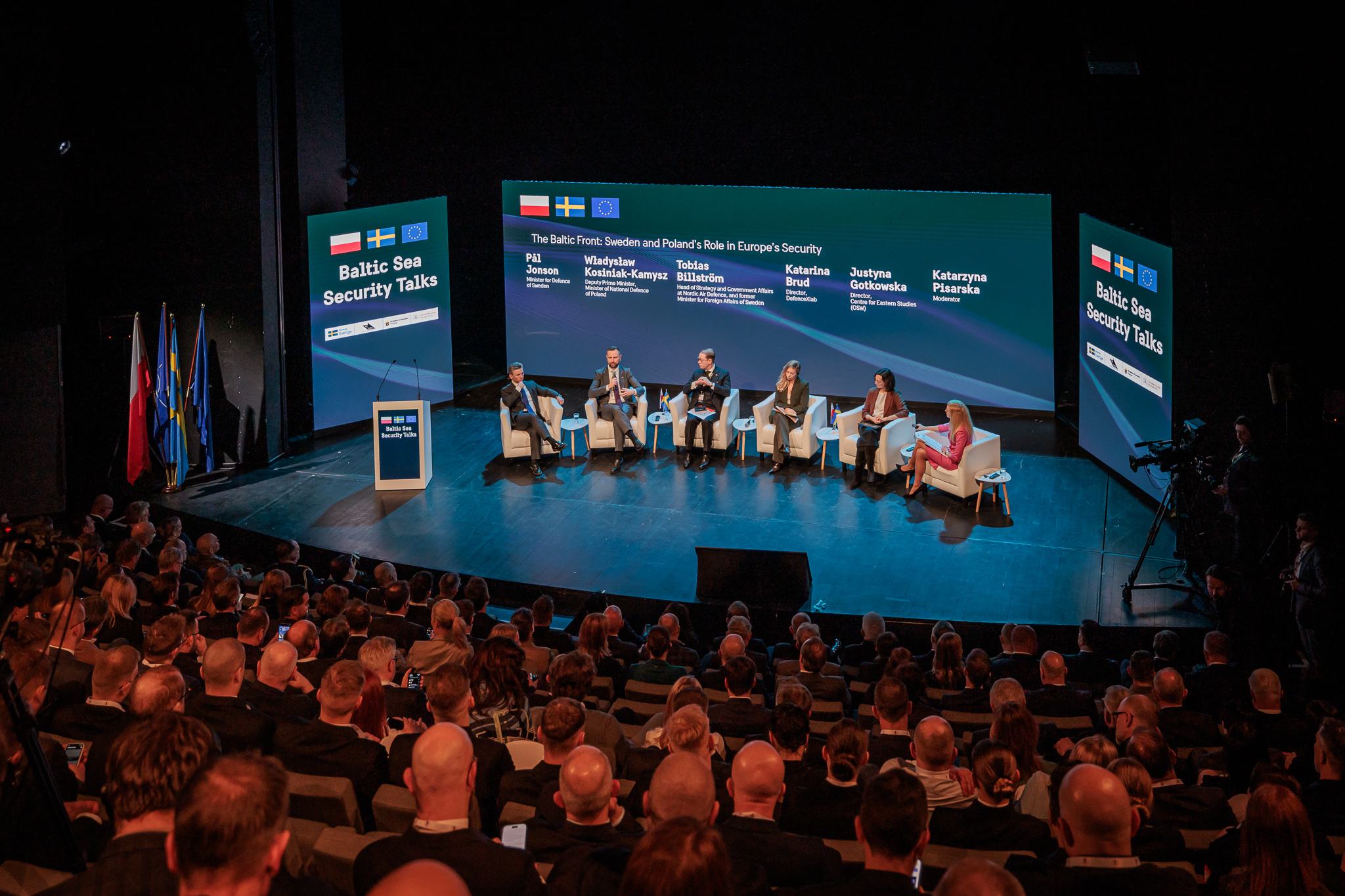
On 12 March 2026, the Casimir Pulaski Foundation, together with the Embassy of Sweden in Poland and Business Sweden, hosted the inaugural Baltic Sea Security Talks at Teatr Wybrzeże in Gdańsk. The conference took place on the occasion of the official state visit of Their Majesties King Carl XVI Gustaf and Queen Silvia of Sweden to Poland, bringing together senior government officials, security experts, and defence industry representatives from both countries for a day of high-level dialogue on Baltic Sea security and Swedish-Polish strategic cooperation
Published: 13/03/2026

Away from the deadlines reporting on the US-Israeli war with Iran (now in a hiatus phase), another, concurrent armed conflict has been taking place, expanding in both geographic scope and intensity, namely the Israeli invasion of Lebanon. Hezbollah launched projectiles on 1st March into Haifa (all of which were intercepted) as revenge for the killing of Iranian Supreme Leader Ali Khamenei. The Israeli responded with a rocket barrage ultimately targeting 50 villages south of the Litani River and southern Beirut (evacuation orders were sent last minute to the Lebanese civilian population), followed by a ground assault. This event marked the outbreak of the seventh armed conflict between Israel and Lebanon since the establishment of the State of Israel
Autor: Karolina Pawlik
Opublikowano: 20/04/2026
Autor: Maciej Dachowski
Opublikowano: 17/04/2026
Autor: Maciej Dachowski, Ewelina Załuska
Opublikowano: 15/04/2026
Cheng Li-wun, Kuomintang’s (KMT – current Taiwanese opposition) leader, just concluded her April 7-12 visit to People’s Republic of China.
Autor: Krzysztof Kozłowski
Opublikowano: 14/04/2026
The conflict between Israel and the United States against Iran unfolds amid a deepening crisis of the international liberal order established after World War II. This war highlights a series of shocks that undermine the legitimacy of the existing axiological framework.
Autor: Mateusz Chudziak
Opublikowano: 13/04/2026
On March 20 of this year, the U.S. Department of State established a new institution—the Bureau of Disaster and Humanitarian Response (DHR).
Autor: Ewa Polak
Opublikowano: 10/04/2026
Poland’s energy security has undergone a fundamental transformation in recent years, shifting from dependence on external suppliers to a system built on diversified infrastructure and greater national control. While this has reduced vulnerability to political coercion, it has also created a more complex system in which security depends increasingly on the resilience of infrastructure and the ability of institutions to respond under pressure.
Autor: Karolina Pawlik, Maciej F. Bukowski
Opublikowano: 31/03/2026
On March 2, 2026, French President Emmanuel Macron announced in Brest a revision of nuclear deterrence policy aimed at increasing France’s nuclear potential and enhancing cooperation in this area with allies. This is another element of a broader adaptation of French security policy in the context of Russia’s war against Ukraine and growing uncertainty regarding the United States’ commitment to European security, including in light of the new U.S. National Security Strategy.
Autor: dr Tomasz Smura
Opublikowano: 25/03/2026
António Guterres is finishing his ten-year tenure in a world that barely resembles the one the UN was built for. Peace negotiations happen without the organization. Conflicts are managed outside the Security Council. Alternative frameworks are displacing institutions.
Autor: Maciej Dachowski
Opublikowano: 20/03/2026
On 12 March 2026, the Casimir Pulaski Foundation, together with the Embassy of Sweden in Poland and Business Sweden, hosted the inaugural Baltic Sea Security Talks at Teatr Wybrzeże in Gdańsk. The conference took place on the occasion of the official state visit of Their Majesties King Carl XVI Gustaf and Queen Silvia of Sweden to Poland, bringing together senior government officials, security experts, and defence industry representatives from both countries for a day of high-level dialogue on Baltic Sea security and Swedish-Polish strategic cooperation
Opublikowano: 13/03/2026