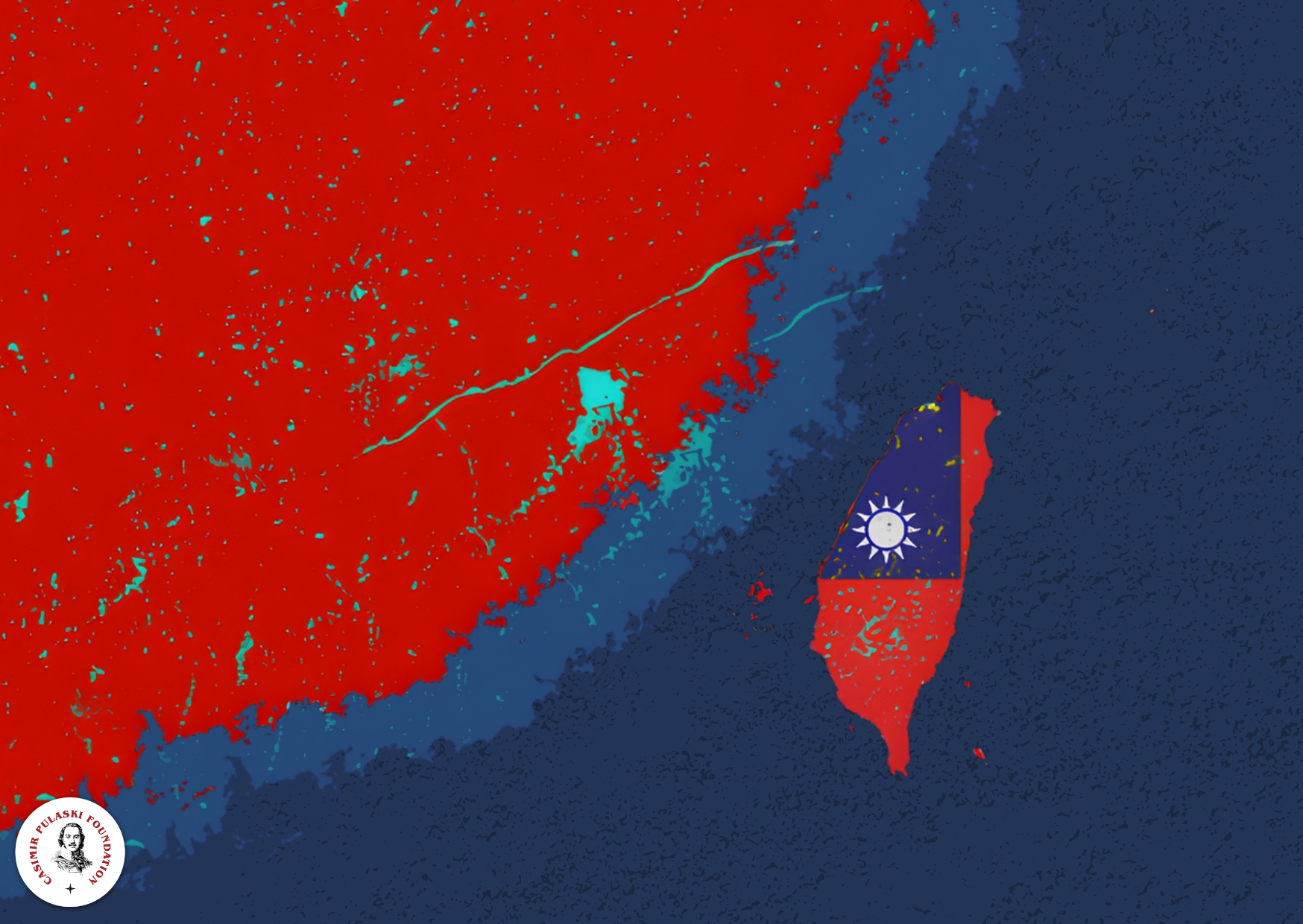
Cheng Li-wun, Kuomintang’s (KMT – current Taiwanese opposition) leader, just concluded her April 7-12 visit to People’s Republic of China.
Autor: Krzysztof Kozłowski
Opublikowano: 14/04/2026


António Guterres is finishing his ten-year tenure in a world that barely resembles the one the UN was built for. Peace negotiations happen without the organization. Conflicts are managed outside the Security Council. Alternative frameworks are displacing institutions.
Autor: Maciej Dachowski
Opublikowano: 20/03/2026


Autor: Maciej Dachowski
Opublikowano: 06/03/2026

Energy security in the Arctic constitutes a multifaceted phenomenon, encompassing a wide array of concerns, including political, security, socio-economic, technological and identity dimensions. It involves questions of land ownership, the rights of stakeholders, pristine nature, and re-industrialisation delineated through green technologies.
Autor: Karolina Pawlik
Opublikowano: 23/02/2026

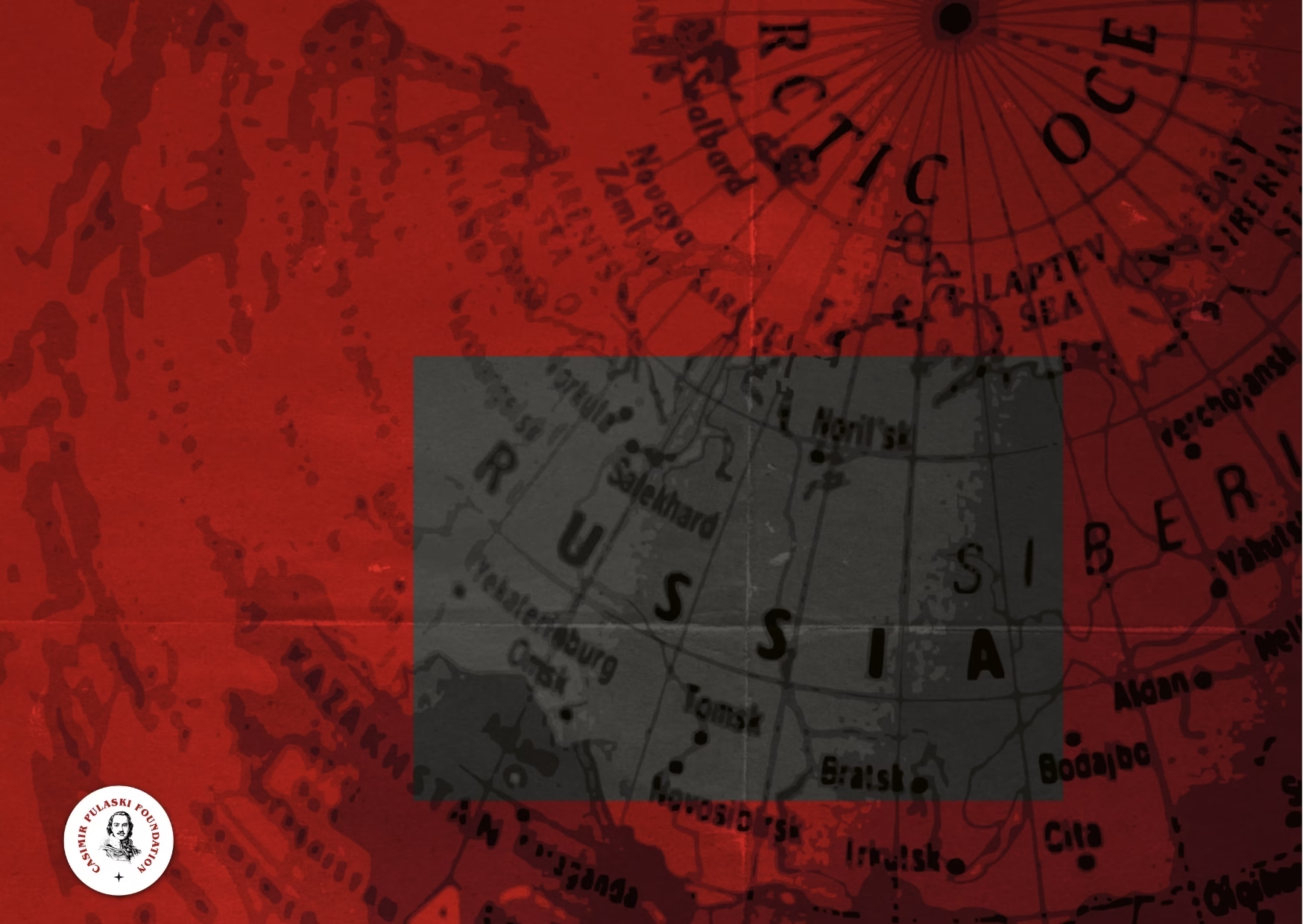
Despite continuing to frame itself in great-power terms, Russia is gradually losing the capacity to perform the systemic functions that for decades made it an indispensable actor in the international order.
Autor: Maciej Dachowski
Opublikowano: 12/02/2026
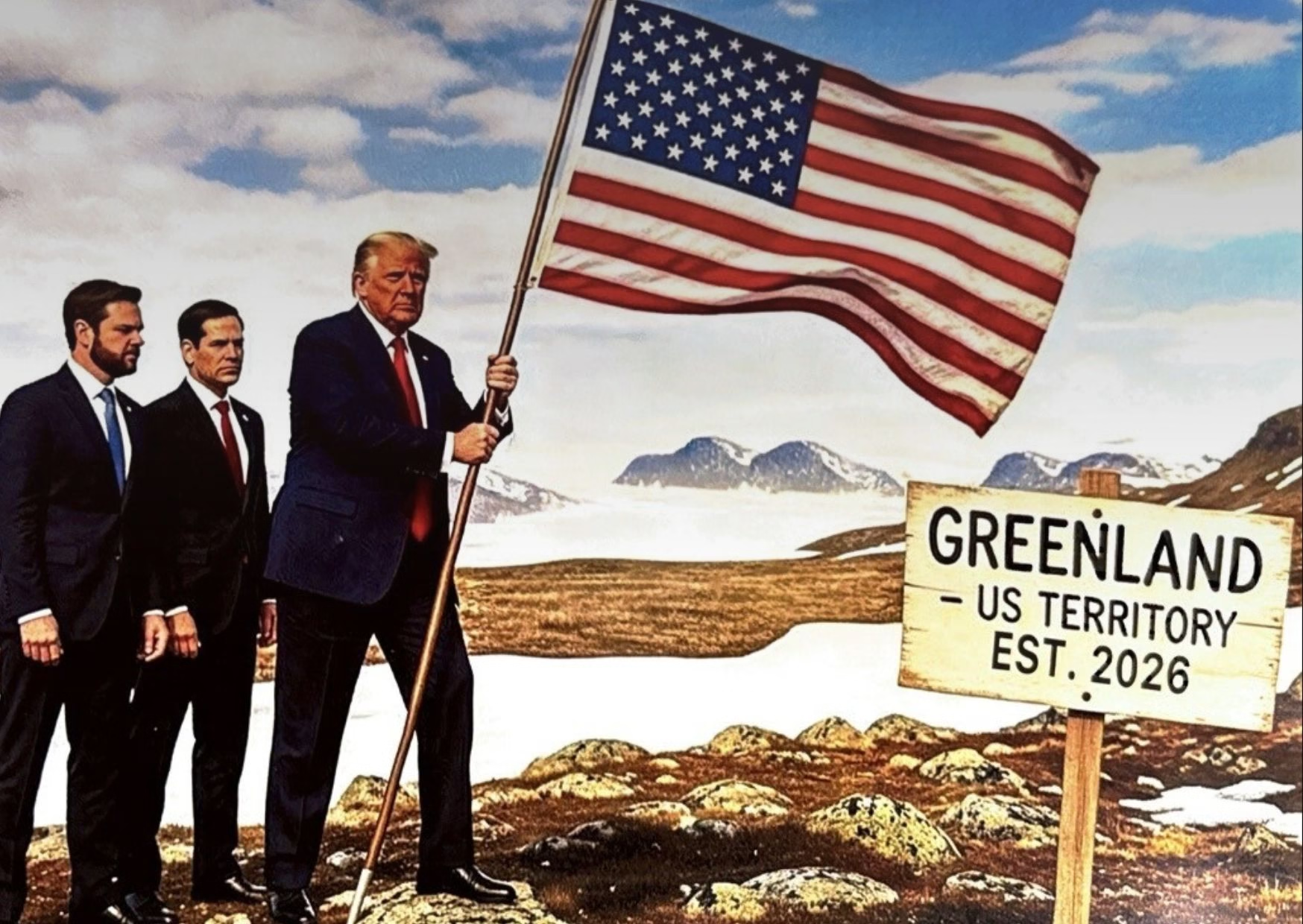
Recent events in relation to Greenland struck a lot of controversy and provoked many reactions. The subject isn’t new as the first time Donald Trump publicly admitted that the US should try to acquire Greenland was 18th August 2019. That day, he confirmed he was considering an attempt to buy Greenland and added that it “would be strategically nice [for the USA to own]”.
Autor: Jagoda Synowiec
Opublikowano: 10/02/2026
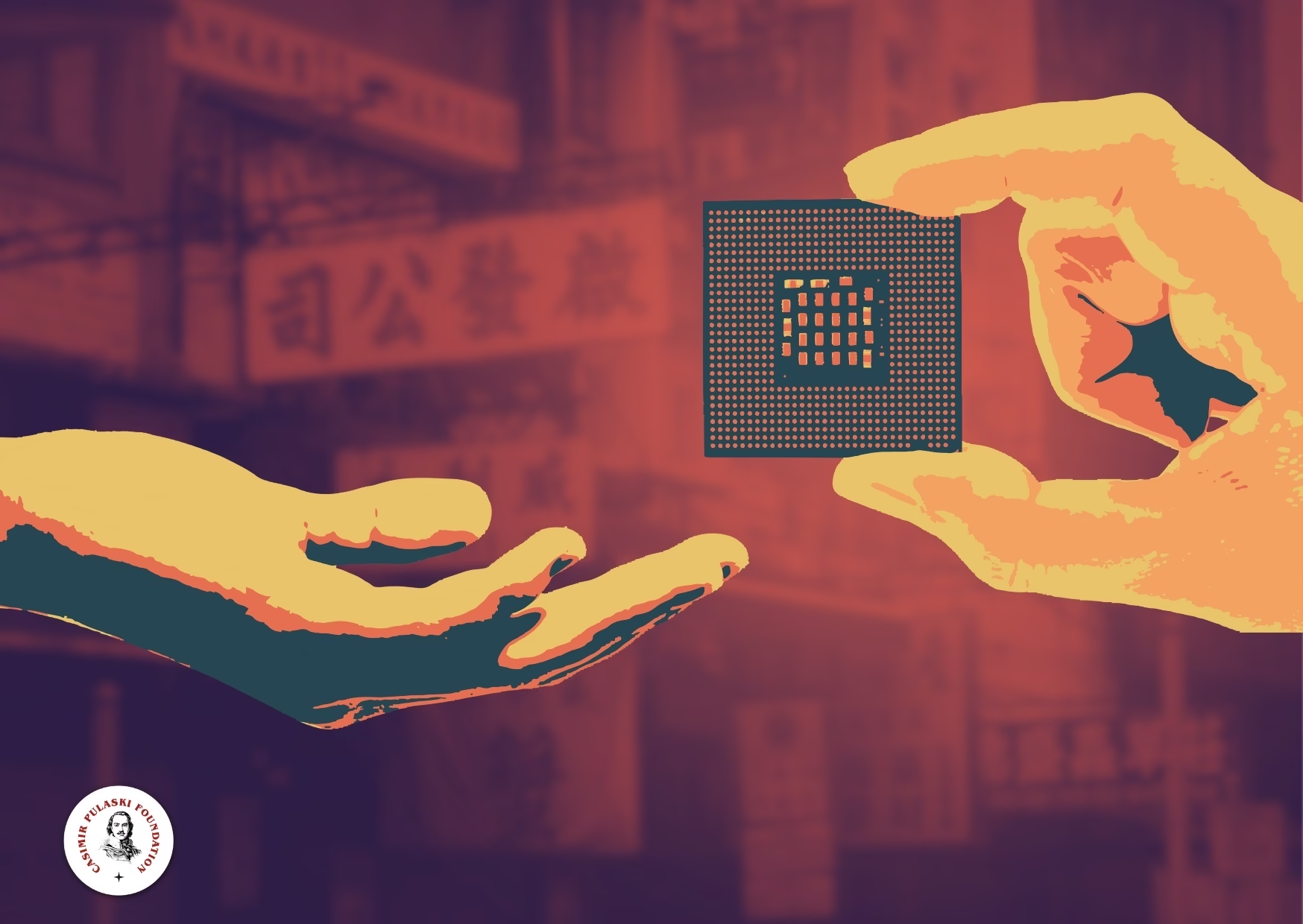
For Taiwan the last days of 2025 were characterised by yet another Chinese military drills around the island located 180-kilometers off the coast of mainland China. The drills have been conducted days after the announcement of $11bn U.S. weapons sale to Taiwan, one of the biggest weapon sales in Taiwan’s history.
Autor: Michał Malak
Opublikowano: 04/02/2026
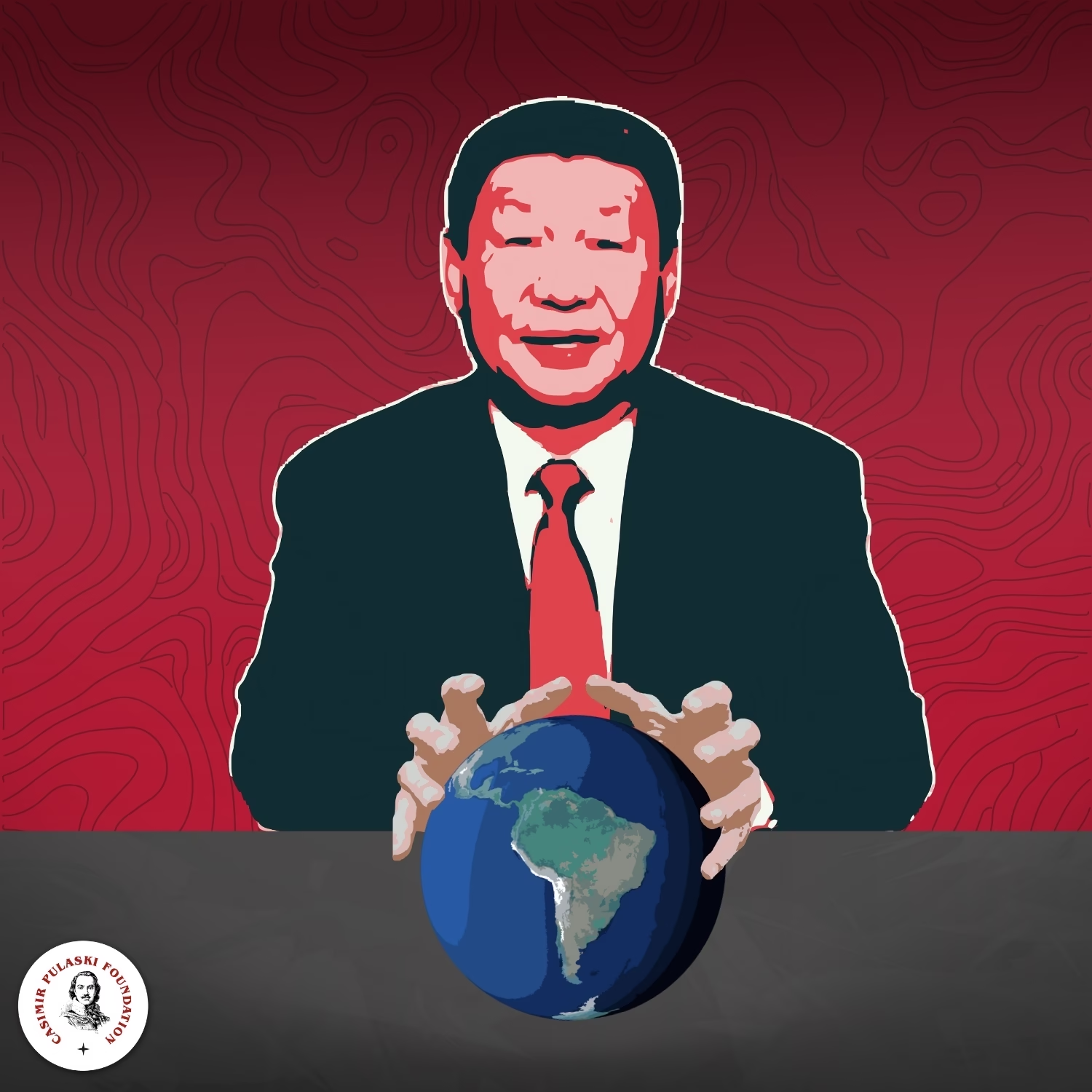
Over the past two decades, China has consolidated its presence in Latin America by exploiting the prolonged shift of U.S. strategic focus toward the Middle East. The resulting economic and infrastructure footprint in Washington’s immediate neighborhood is now seen as a strategic threat. The U.S. response - a new National Security Strategy and the intervention in Venezuela - reaffirmed the Western Hemisphere as non-negotiable to U.S. security.
Autor: Patryk Litwiński
Opublikowano: 29/01/2026
The establishment of the so-called Board of Peace, proposed by the President of the United States Donald Trump, should be understood not as an episode linked solely to Gaza, but as a symptom of a deeper transformation of the international order [1]. For the first time since 1945, a key system-shaping actor is not attempting to reform existing security institutions, but is instead deliberately initiating a mechanism that competes with them.
Autor: Maciej Dachowski
Opublikowano: 20/01/2026
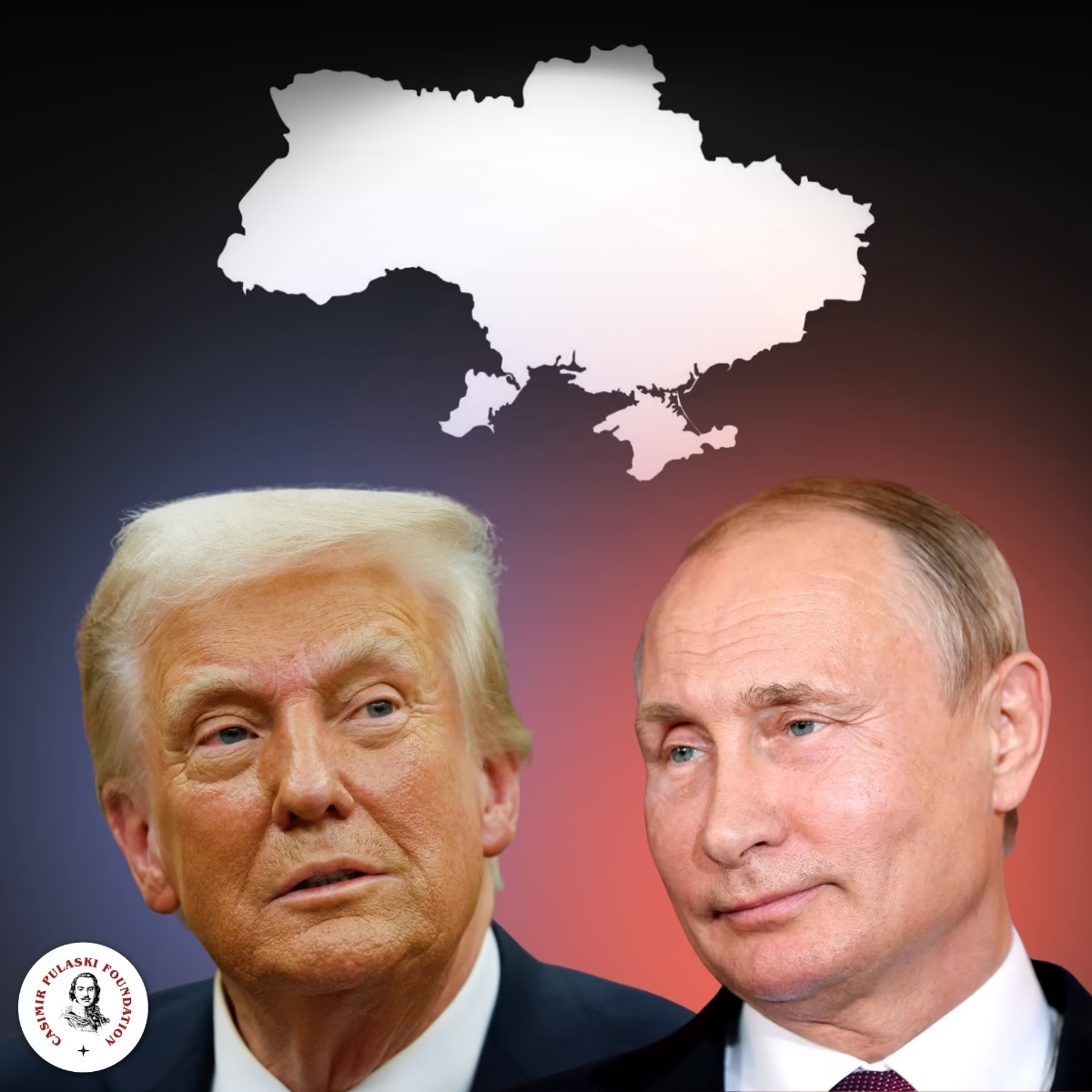
Negotiating the Same War. Russia’s Continuum, America’s Cycles, and Why Momentum Still Isn’t Change?
At the close of 2025, as the war in Ukraine enters its fourth year in full scale form, international attention once again turned to Florida. On 28 December 2025, President Volodymyr Zelensky met with President Donald Trump at Mar a Lago.
Autor: Maciej Dachowski
Opublikowano: 15/01/2026
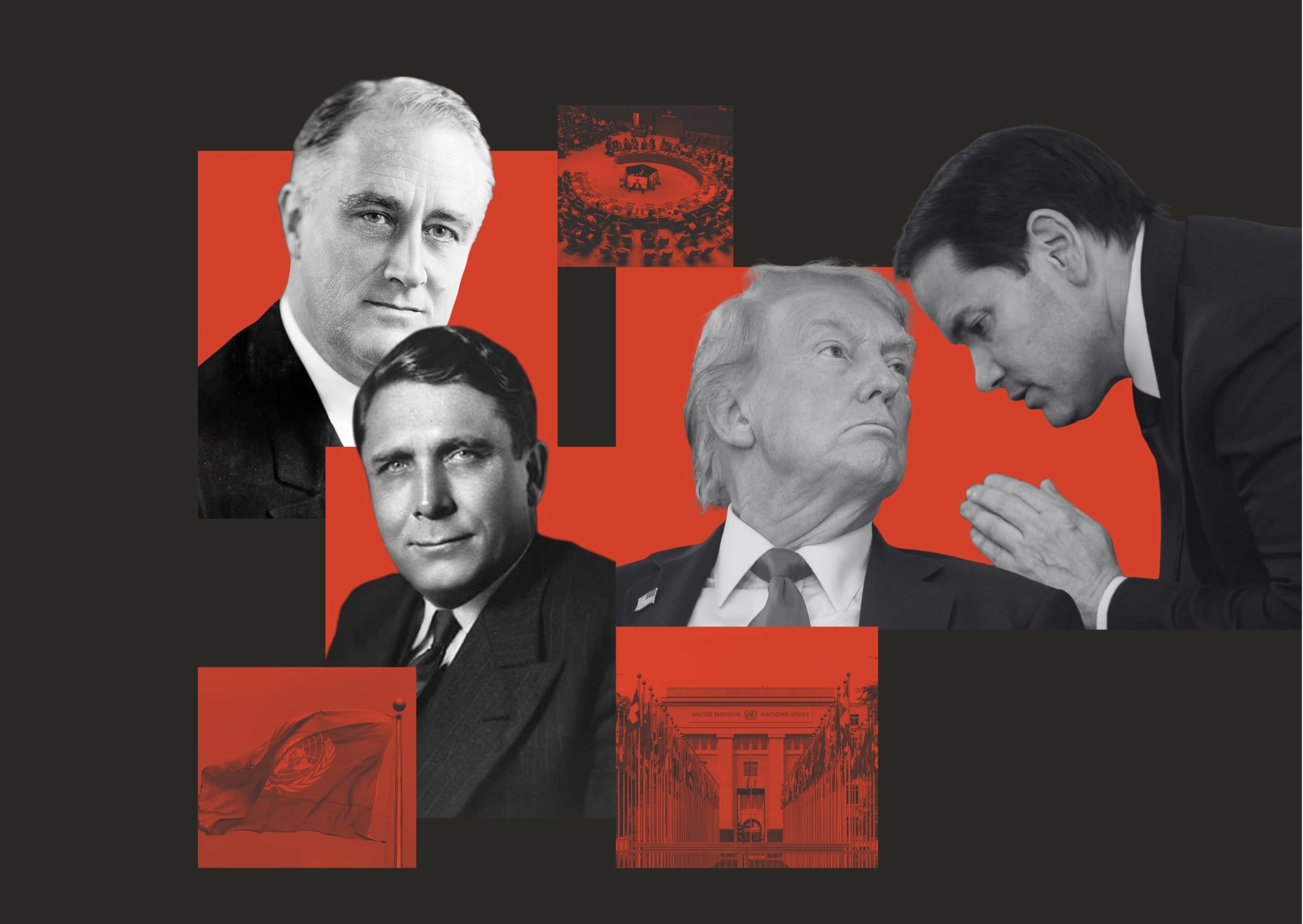
On 8 January 2026, the administration of Donald Trump announced the initiation of procedures to withdraw the United States from a range of international organisations, conventions, and treaties deemed contrary to U.S. national interests. While formally framed as an administrative and legal review of existing commitments, the decision carries significance far beyond its procedural form.
Autor: Maciej Dachowski
Opublikowano: 08/01/2026
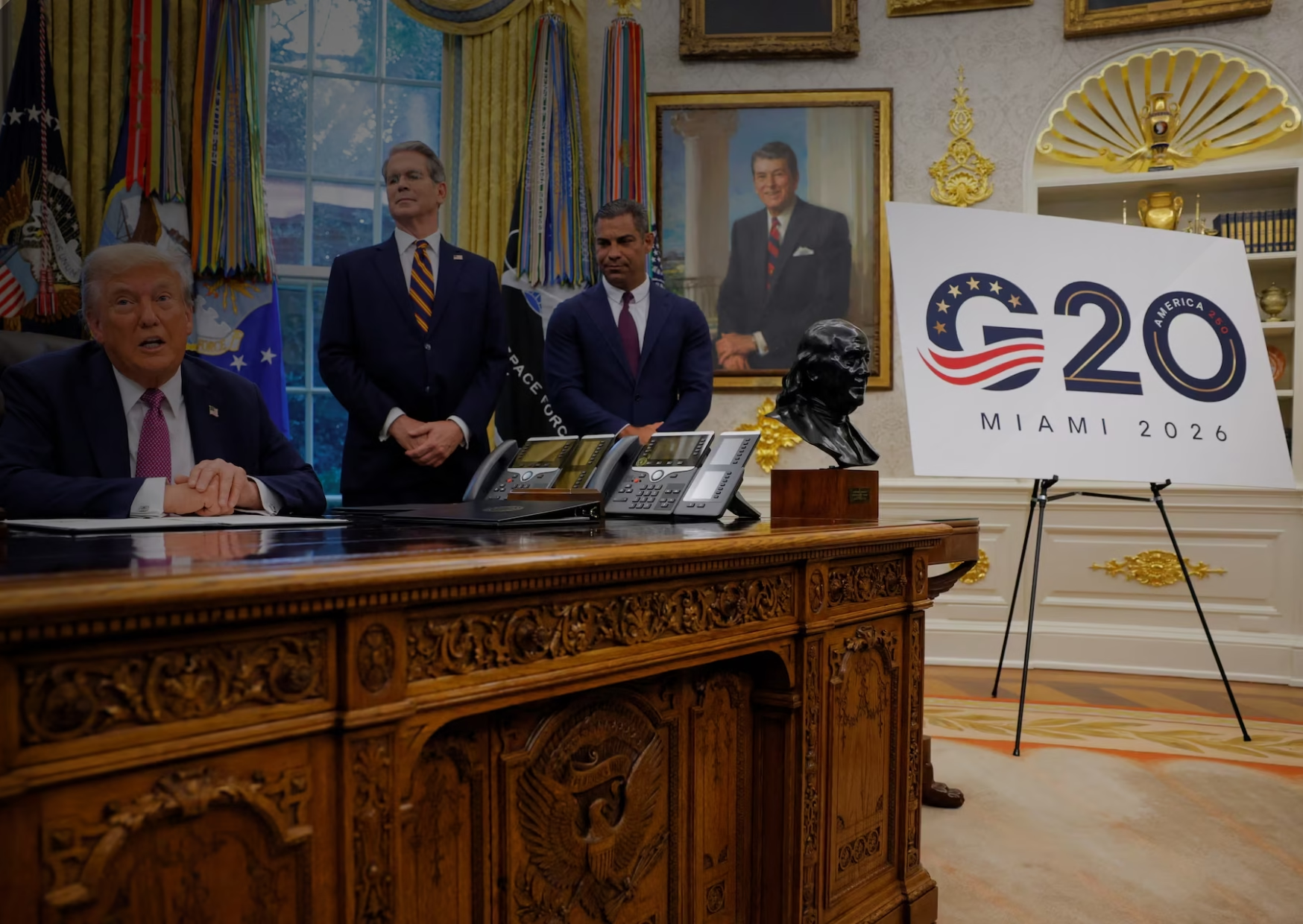
As public debate in Poland increasingly focuses on the fact that Warsaw has been invited to participate in the G20 summit in 2026, an essential part of the context risks being overlooked.
Autor: Maciej Dachowski
Opublikowano: 08/01/2026
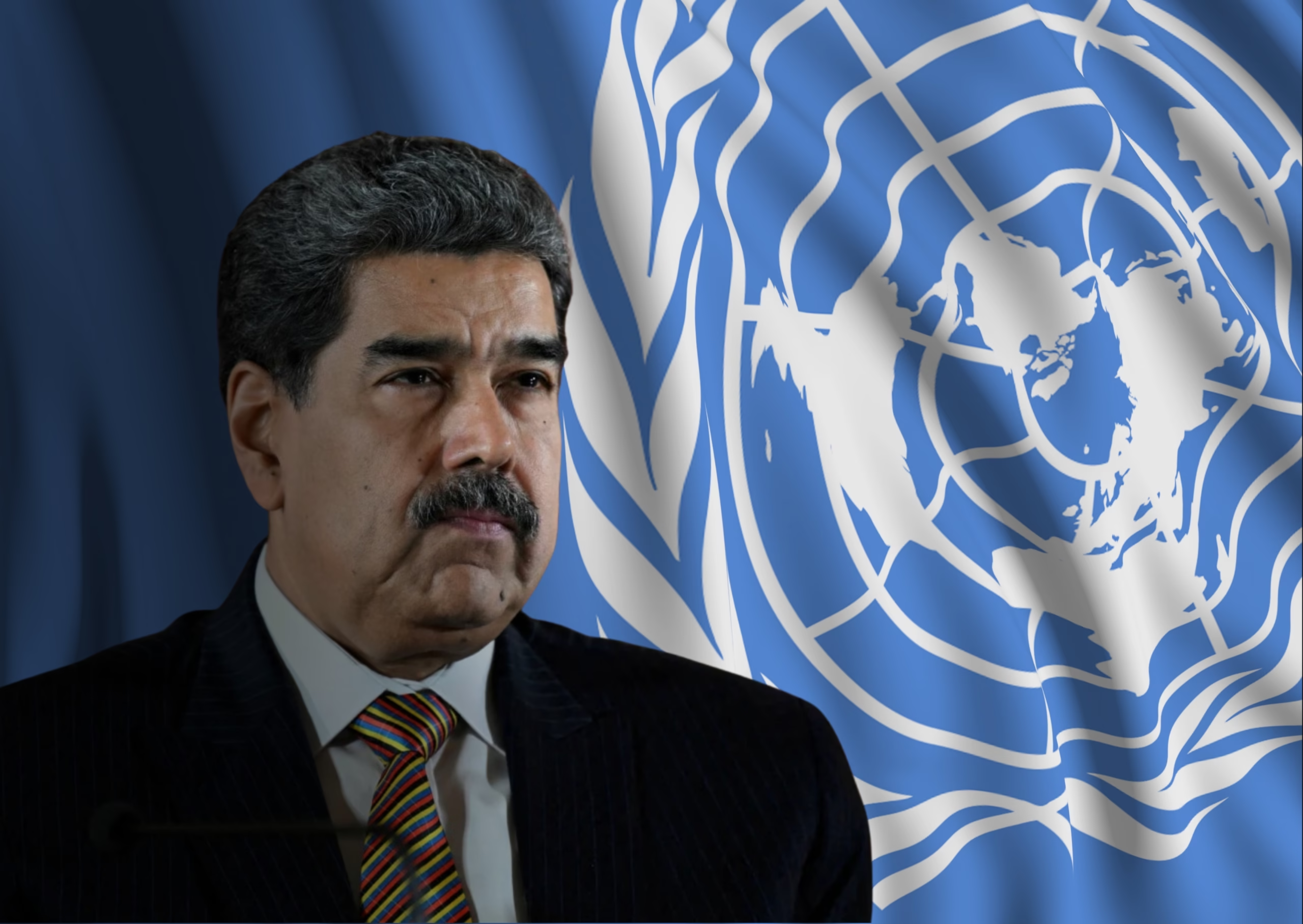
The Venezuelan moment: intervention without arbitration
Autor: Maciej Dachowski
Opublikowano: 05/01/2026
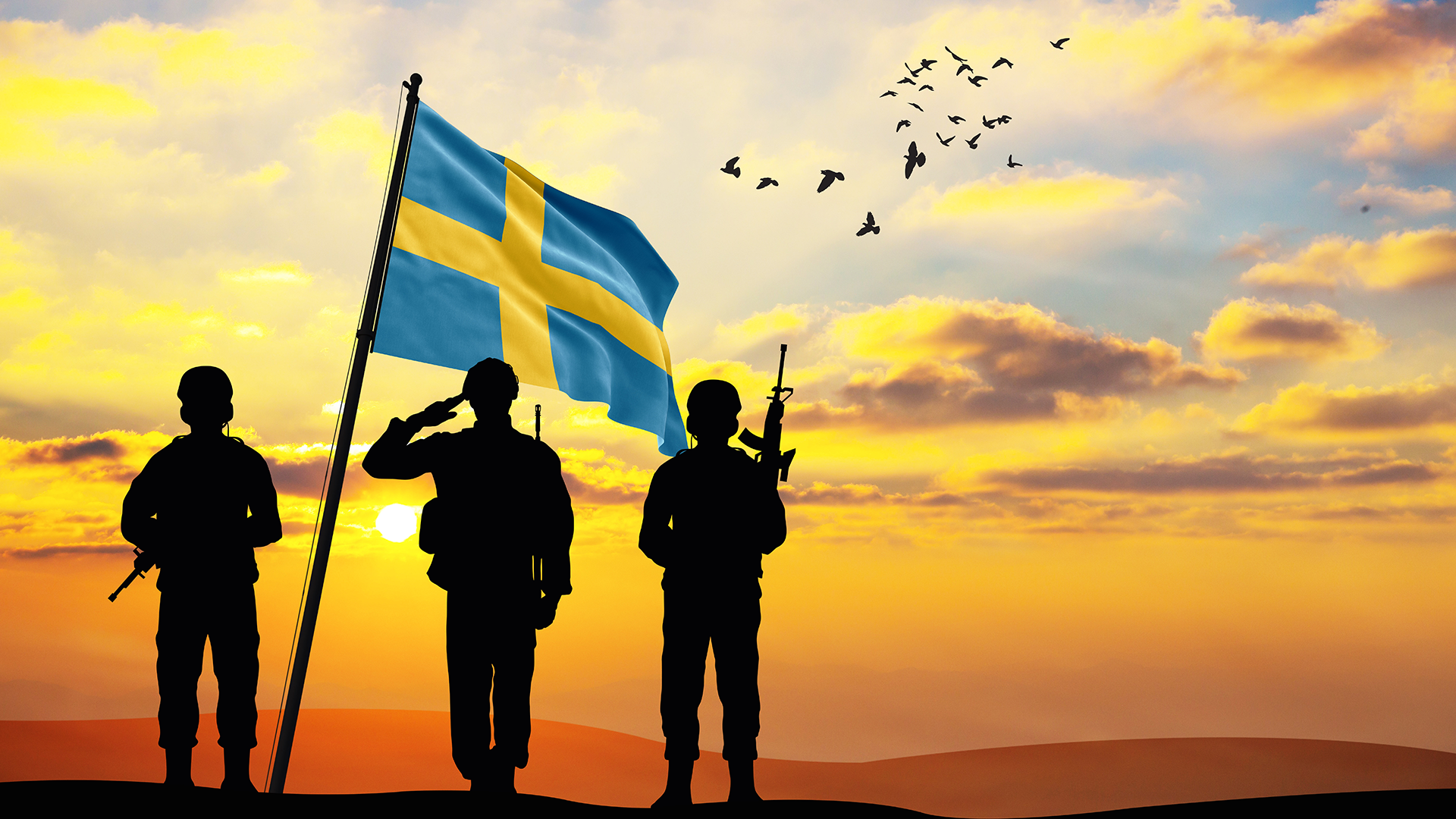
One year ago, a small yellow brochure prepared by the Swedish Civil Contingencies Agency (Myndigheten för samhällsskydd och beredskap; from January 1.01.2026 - Swedish Defence and Resilience Agency, Myndigheten för civilt försvar) circulated widely across Western media and social networks. In Case of Crisis or War opens with a striking message: “To all residents of Sweden, We live in uncertain times. Armed conflicts are currently being waged in our corner of the world. Terrorism, cyber attacks, and disinformation campaigns are being used to undermine and influence us. To resist these threats, we must stand united. If Sweden is attacked, everyone must do their part to defend Sweden’s independence – and our democracy.” [
Autor: Agnieszka Grzegorzewska
Opublikowano: 17/12/2025


On October 21, 2025, Sanae Takaichi, a conservative politician representing the ruling Liberal Democratic Party (LDP), became the new Prime Minister of Japan. The new prime minister faces a number of challenges related to the country’s political and economic situation, as well as the stabilization of her own party.
Autor: dr Tomasz Smura
Opublikowano: 23/10/2025

Autor: Karolina Pawlik & Agnieszka Grzegorzewska
Opublikowano: 25/09/2025

On 9 January 2024, the Norwegian Parliament (Storting) approved the proposal of opening parts of the Norwegian sea to mineral activities, marking the beginning of the exploratory stage of deep sea mining (DSM) on the Norwegian continental shelf [1]. Eleven months later, however, the operations were abruptly stopped, as the Socialist Left Party of Norway (Sosialistisk Venstreparti) threatened the refusal of the government budget for 2025 [2]. This seemingly minor event triggered a larger, albeit not necessarily well-publicised conversation: what actually is deep sea mining, and why does it matter?
Autor: Agnieszka Grzegorzewska
Opublikowano: 11/09/2025

Remote and small island communities face unique energy and climate challenges stemming from their geographic isolation. Their reliance on imported fossil fuels leaves them vulnerable to price volatility and supply disruptions. Although their carbon footprint is minimal, these islands disproportionately experience the adverse effects of climate change. Increasingly, islands become testbeds for geopolitical rivalry and are compelled to adapt to situations when critical infrastructure is weaponised.
Autor: Karolina Pawlik
Opublikowano: 20/08/2025

On June 24–25, 2025, a meeting of the North Atlantic Council at the level of heads of state and government was held in The Hague. The NATO summit was largely overshadowed by the United States’ military operation in Iran, and its agenda was relatively narrow. Despite concerns, however, a compromise on military spending was achieved, and the cohesion of the Alliance was maintained.
Autor: dr. Tomasz Smura, Member of the Board, Director of Security and Defence Programme, Casimir Pulaski Foundation
Opublikowano: 01/07/2025
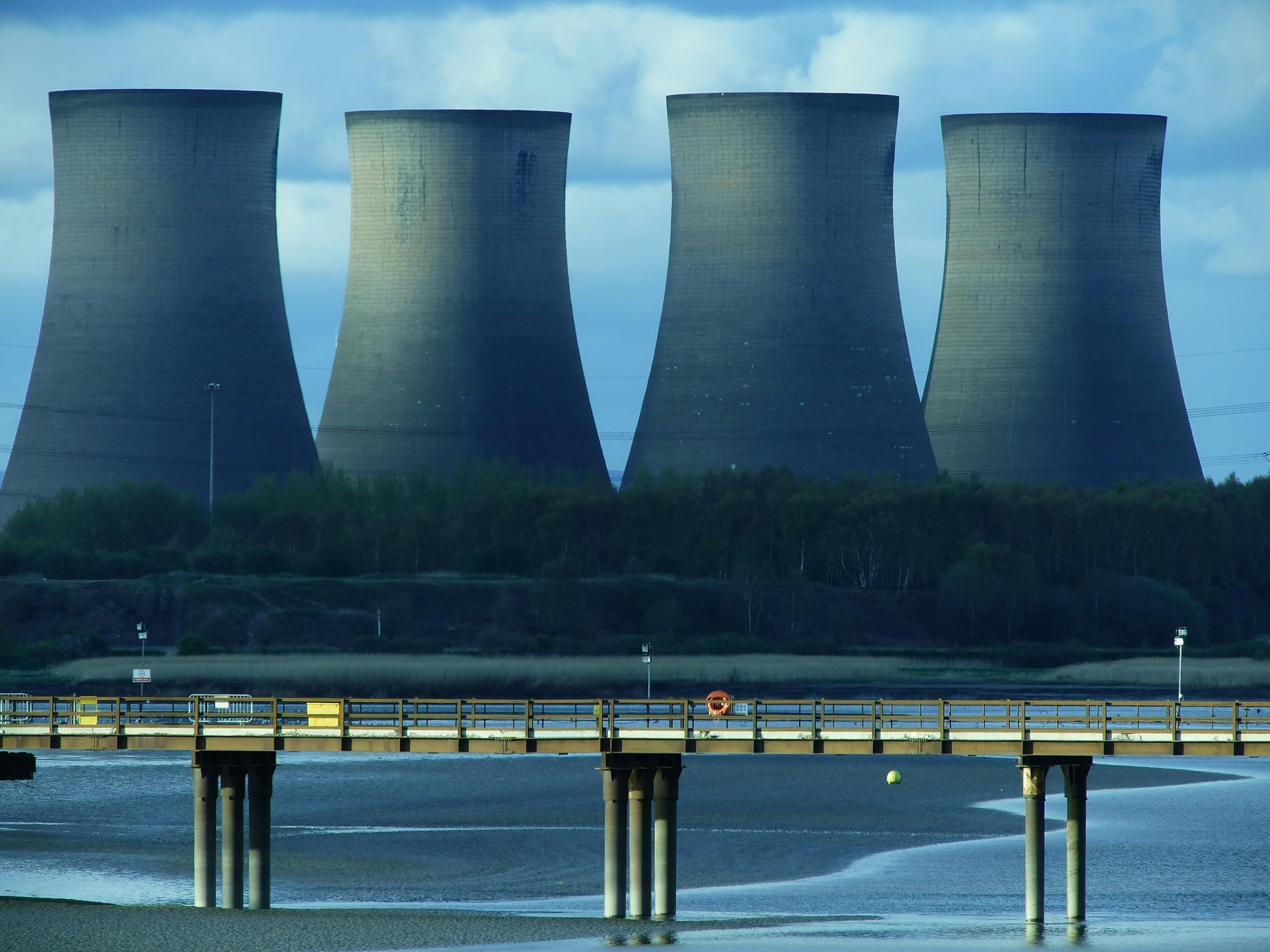
Nuclear energy has long been a pillar of Sweden’s energy mix, although its significance has been diminishing due to divergent policies towards nuclear energy. In recent years, the debates regarding nuclear energy have intensified as the Swedish government, led by the Tidöpartierna coalition, has undertaken a bold reversal of the earlier nuclear phase-out policy. This analysis synthesises the historical, political, scientific, and economic dimensions of Sweden’s evolving nuclear landscape while highlighting the diverse views of political parties and the broader implications for energy policy.
Autor: Karolina Pawlik & Mateusz Gibała
Opublikowano: 30/06/2025

The incident involving the Falcon 9 rocket, whose fragments fell on Polish territory in February 2025, has become a symbol of the new challenges associated with the exploration of low Earth orbit. Although no one was harmed, the event highlighted that the rapid development of satellite technologies brings not only benefits but also significant risks. In a world where outer space is becoming a battleground for global economic and technological competition, Poland too must take a stance and actively participate in shaping new rules for its governance.
Autor: dr Joanna Kulesza
Opublikowano: 26/05/2025

Autor: Karolina Pawlik
Opublikowano: 11/04/2025
France’s political gridlock following its government collapse threatens the eurozone's stability, with rising deficits, weakened bonds, and uncertainty over leadership amid constitutional constraints.
Autor: Tomasz Obremski
Opublikowano: 05/12/2024

The Russian army’s attacks have severely damaged Ukraine’s energy infrastructure, leaving its citizens barely able to survive due to energy cuts and severely limited resources like running water.
Autor: Margaret Czarnik
Opublikowano: 19/09/2024

Autor: Olga Jastrzębska
Opublikowano: 29/08/2024