
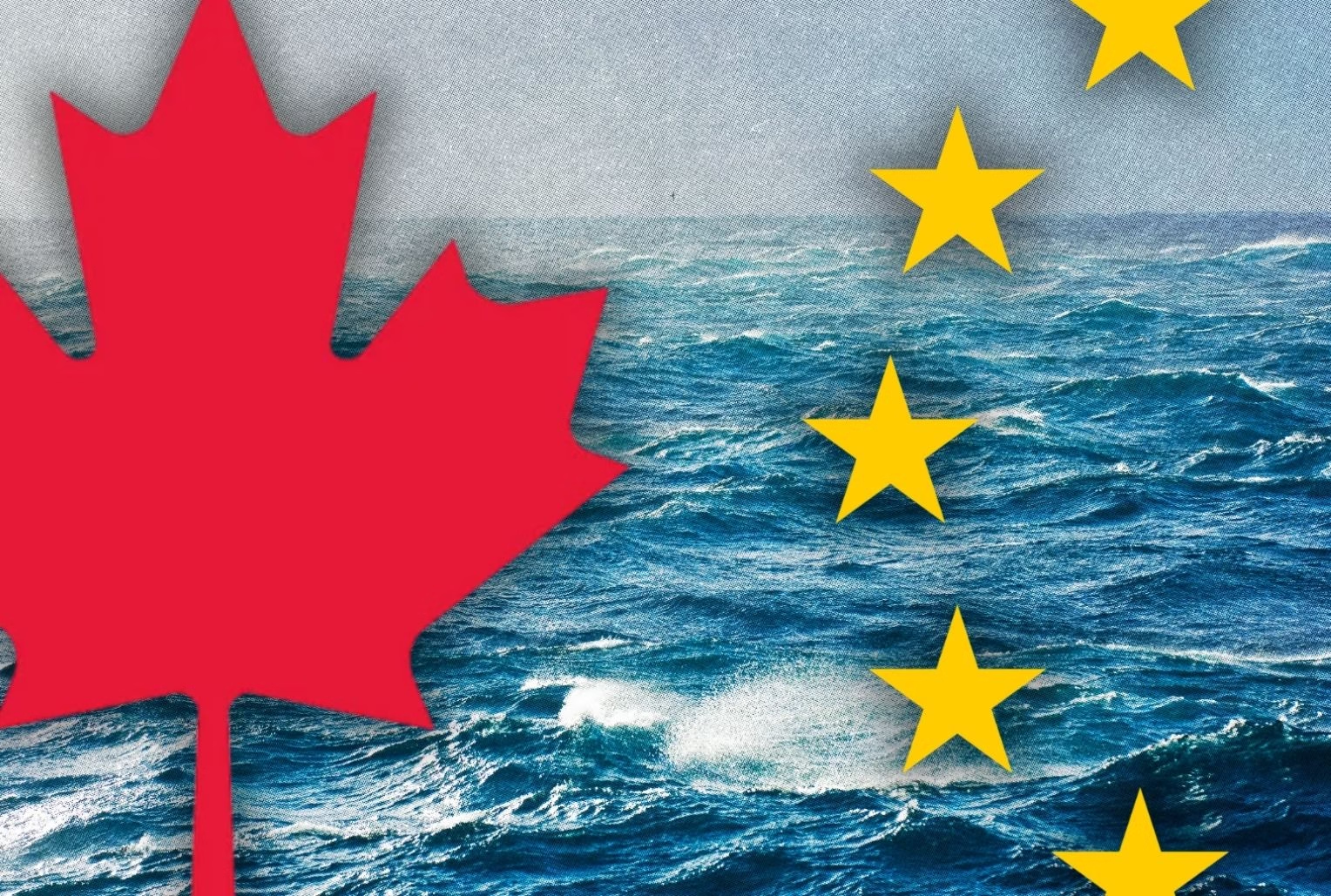
As the Pentagon reviews the US military presence in Europe and allied capitals assess its possible consequences, European Commission President Ursula von der Leyen used her September State of the Union address to present two initiatives that go notably beyond the existing repertoire of EU external policy: an offer of associate member status to Canada and a proposal for a European Security Council.
Author: Patryk Litwinski
Published: 23/09/2026


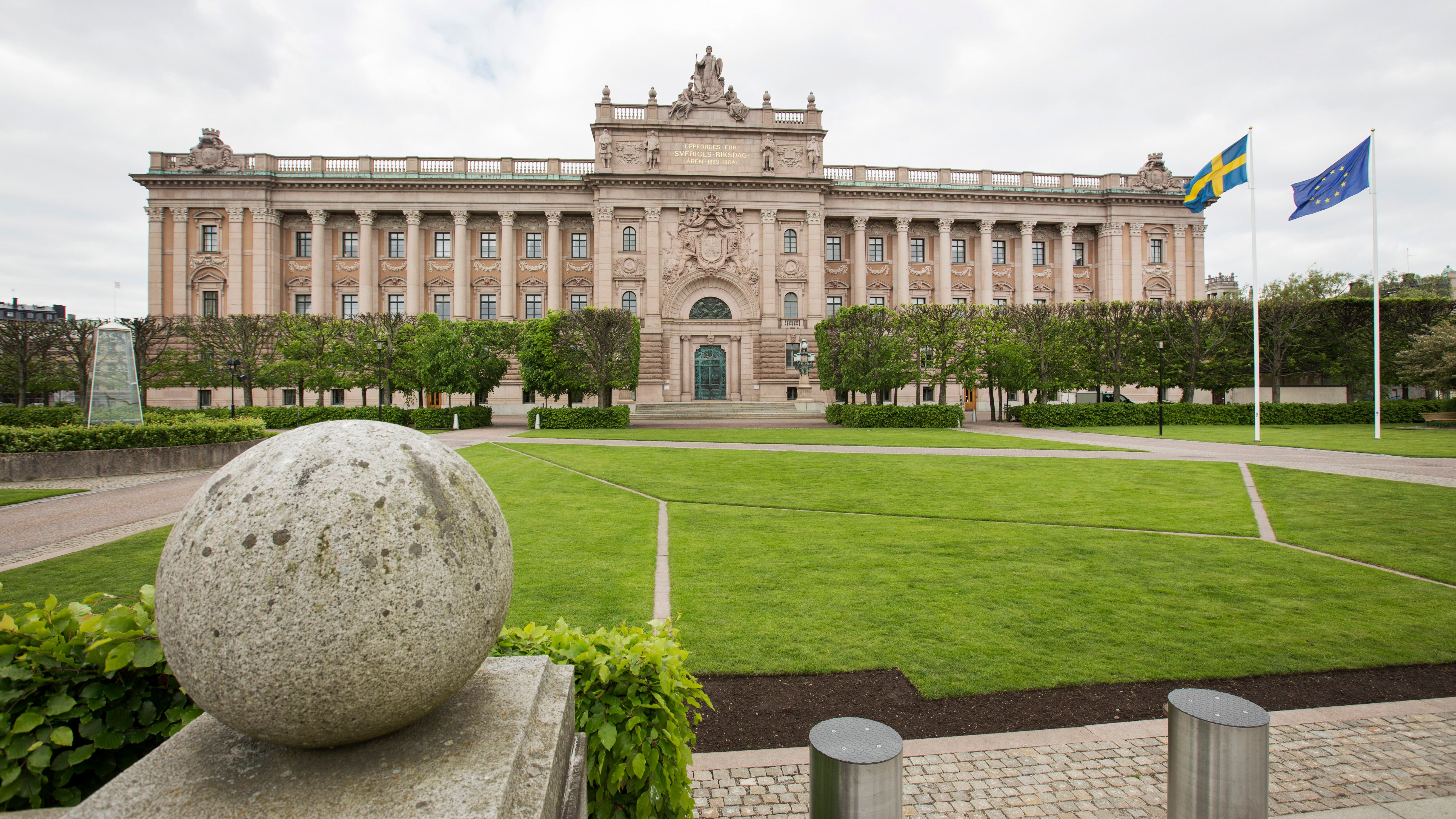
On Sunday, September 13th, parliamentary, regional council, and municipal council elections were held in Sweden, with nearly 85% of eligible citizens taking part.
Author: Karolina Pawlik, Adam Żyłka
Published: 22/09/2026


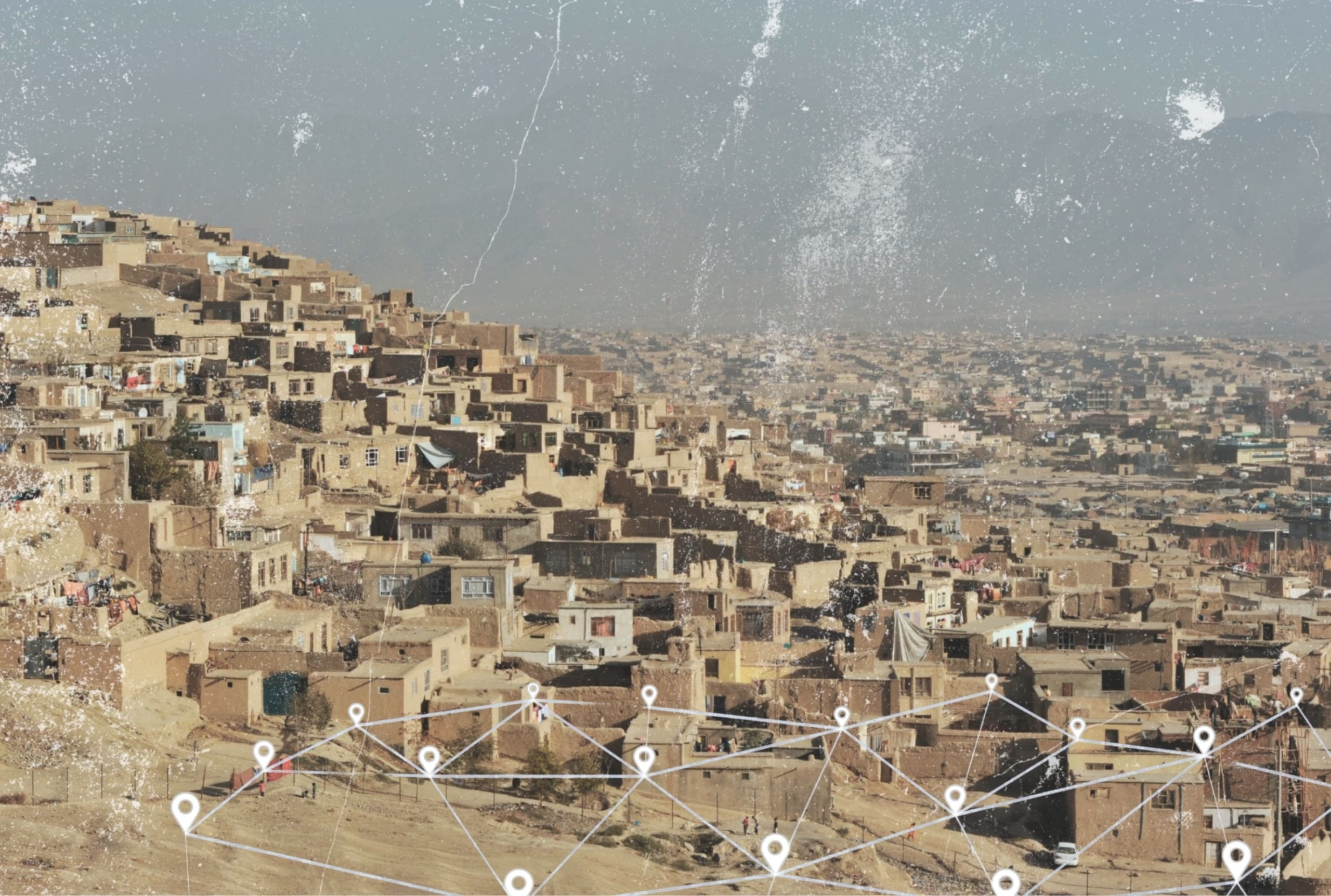
On 7 September 2026 an agreement was signed in Kabul that in ordinary circumstances would have been trade press news at most. The Saudi Delta group agreed with the Taliban Ministry of Mines and Petroleum to explore for oil and gas in the west of the country, in Herat province, on the border with Iran and Turkmenistan.
Author: Maciej Dachowski
Published: 22/09/2026
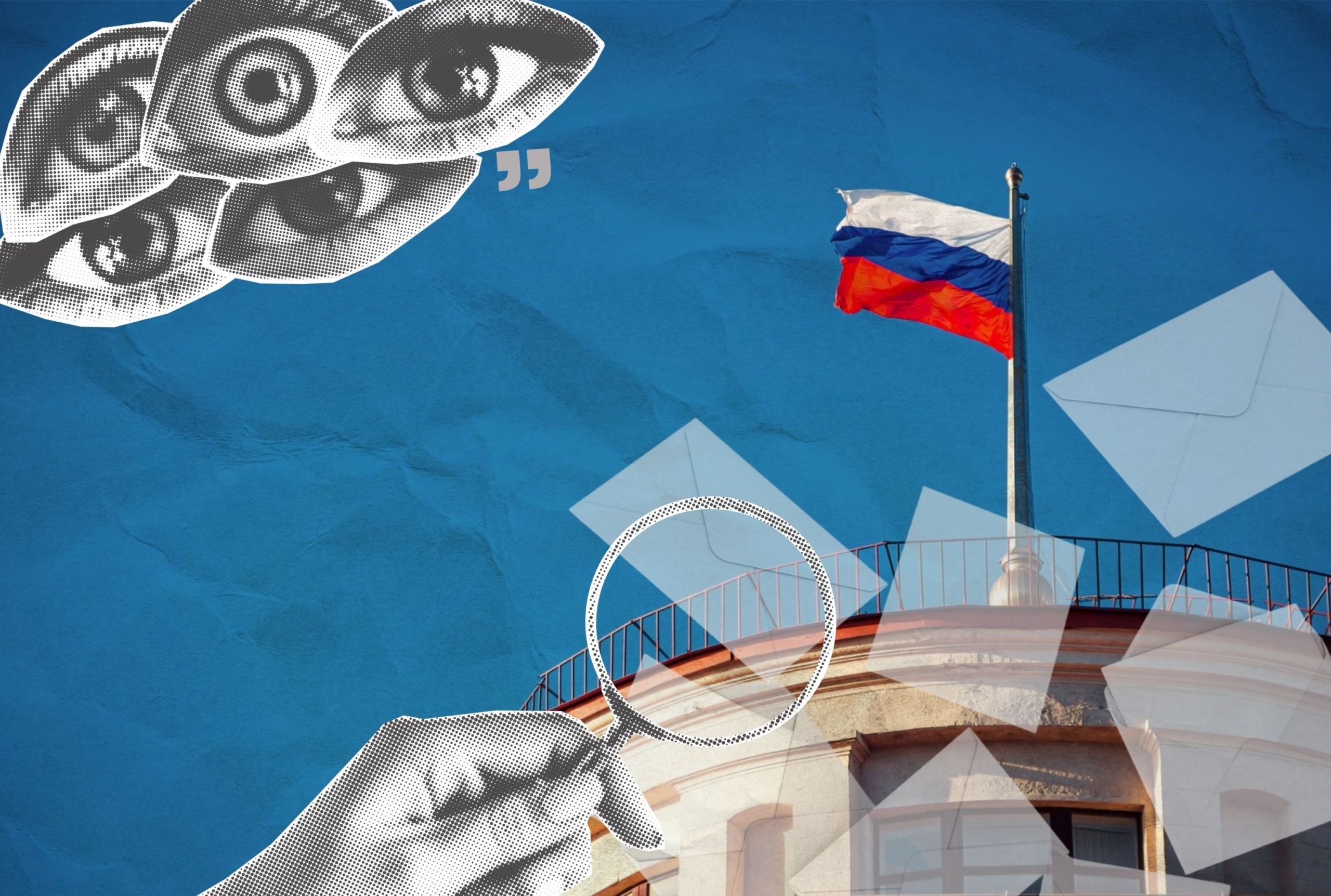
The Duma elections scheduled for September 18–20 are less a democratic exercise than an indirect indicator of the direction in which the Russian authoritarian regime is heading. The results of this quasi-electoral process will make it possible to assess how effectively the Kremlin can maintain a veneer of stability amidst mounting losses on the front lines, internal elite infighting over the seizure of assets, and a social contract that—since 2000—has been redefined three times and gradually stripped of any substance that might positively impact the lives of ordinary citizens.
Author: Miłosz J. Cordes
Published: 18/09/2026

Since 2022, Russia has systematically attacked Ukraine's energy infrastructure. The first wave of strikes targeted substations, cutting off power distribution; the second hits generating capacity directly. According to data cited by BGK, Ukraine has lost around 70% of its pre-war generating capacity, while gas production fell by around 40% in 2025. The aim of this energy terrorism remains to paralyse the economy and break the will to resist – not only through the hardships caused by restricted access to electricity, water and heating, but through conditions that directly endanger civilians' lives, especially in winter.
Author: Ewa Polak
Published: 15/09/2026
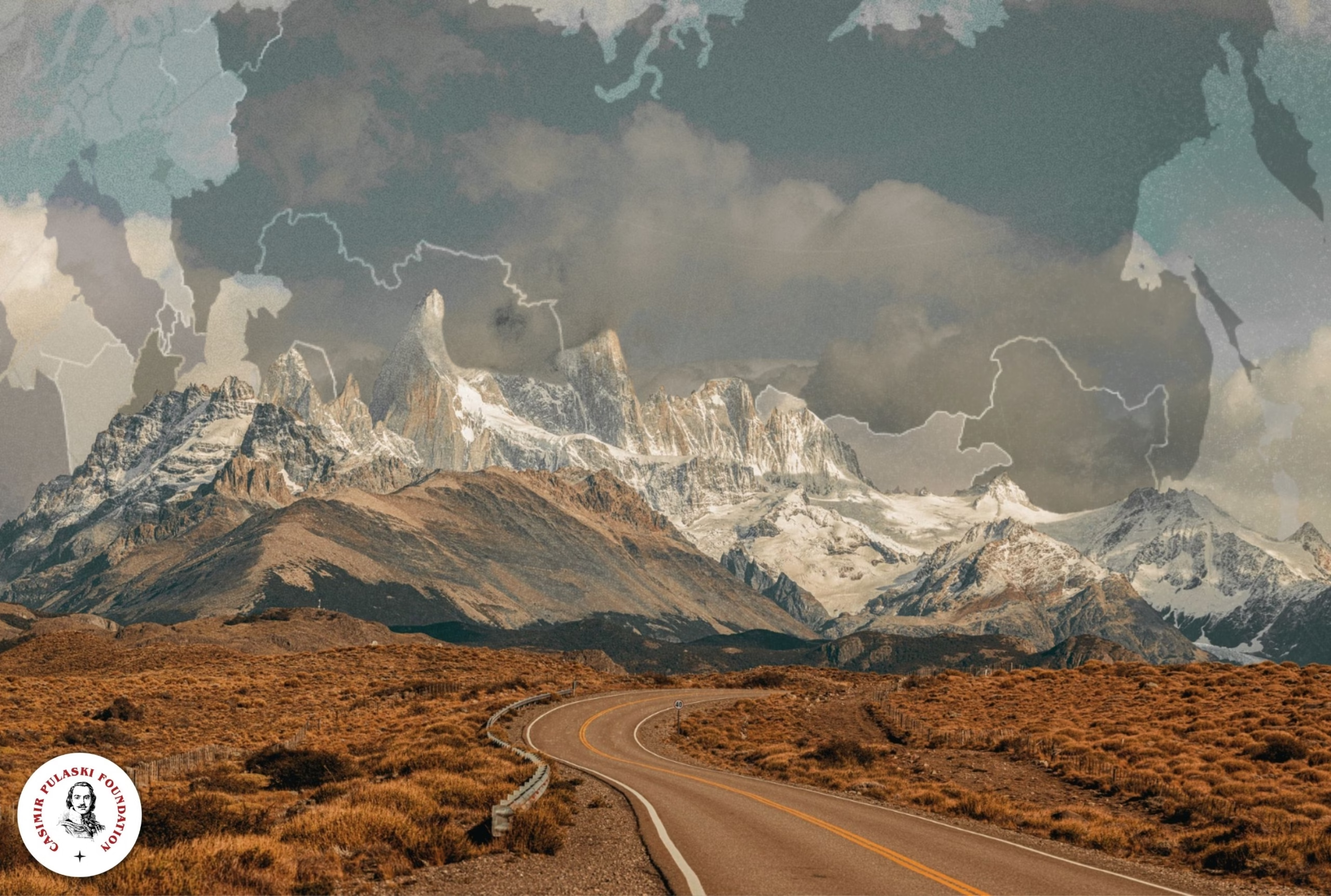
On 1 September 2026 Bishkek hosted seventeen heads of state and government at the annual summit of the Shanghai Cooperation Organisation, the twenty-sixth in its history, convened on the twenty-fifth anniversary of the organisation's founding. The host, Kyrgyzstan, which had just ended its year-long chairmanship, had a few weeks earlier been elected a non-permanent member of the United Nations Security Council for 2027 and 2028, while in the same election Germany lost the seat reserved for the Western group.
Author: Maciej Dachowski, Ewa Polak
Published: 04/09/2026
A few days before the first summit of the Carpathian Integration Initiative, scheduled for September 2026 in the Ivano-Frankivsk region, Warsaw still does not know whom it will send. Volodymyr Zelensky has invited representatives of seven states of the region to the summit, Poland among them, he is steering the project personally, some leaders have already confirmed their attendance and more than five hundred business representatives are expected on site, and yet Poland's decision on the level of its representation still has not been taken.
Author: Maciej Dachowski
Published: 01/09/2026
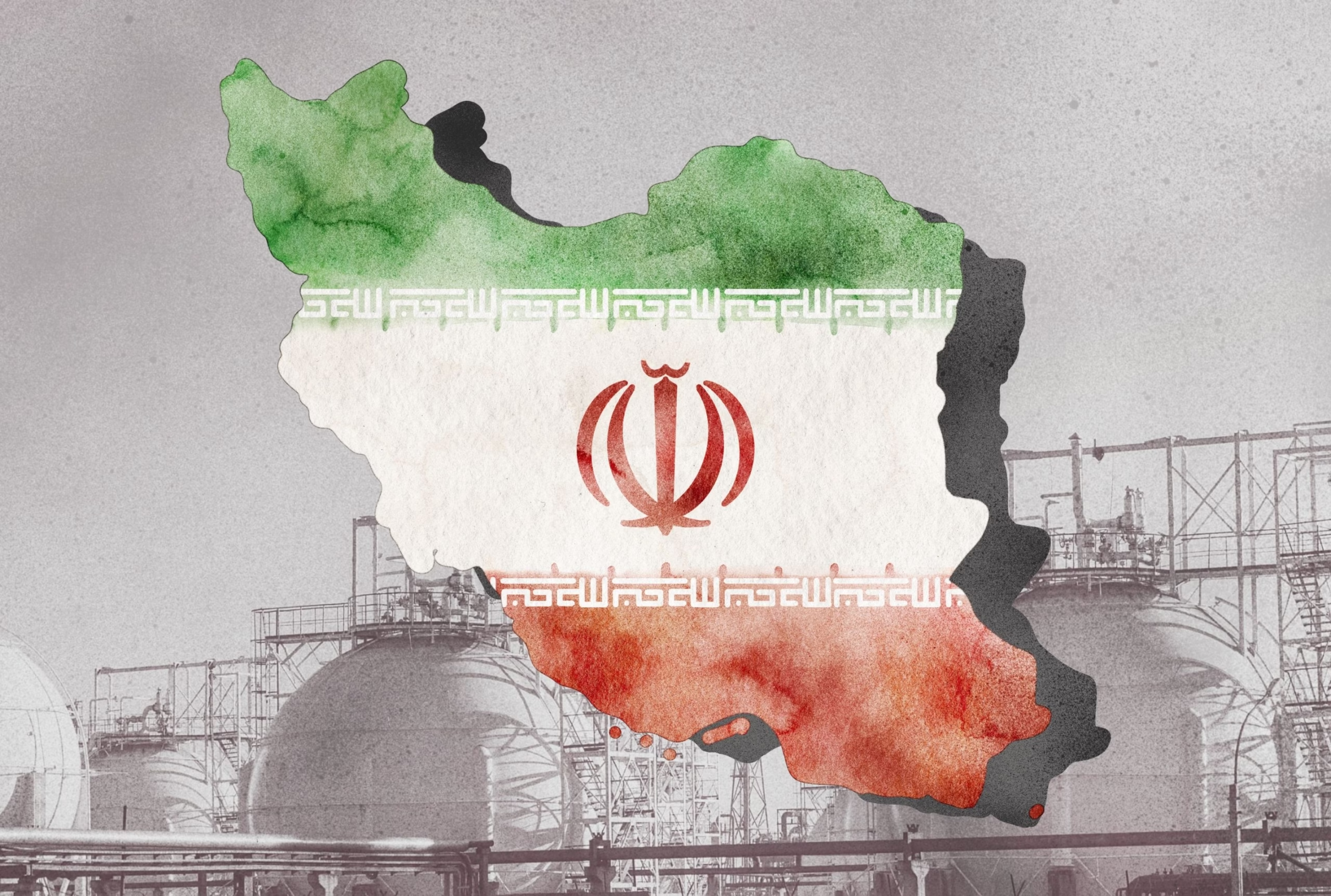
Iran emerges from the war with Israel and the US strengthened, regardless of the costs it has incurred. Unless a permanent collapse in negotiations occurs, it can recover its losses very quickly, and given its potential, it has a chance of becoming one of the world's largest economies within a few years. Crucial in this context is not the nuclear issue, but the high-stakes game over the Strait of Hormuz.
Author: Witold Repetowicz
Published: 26/08/2026
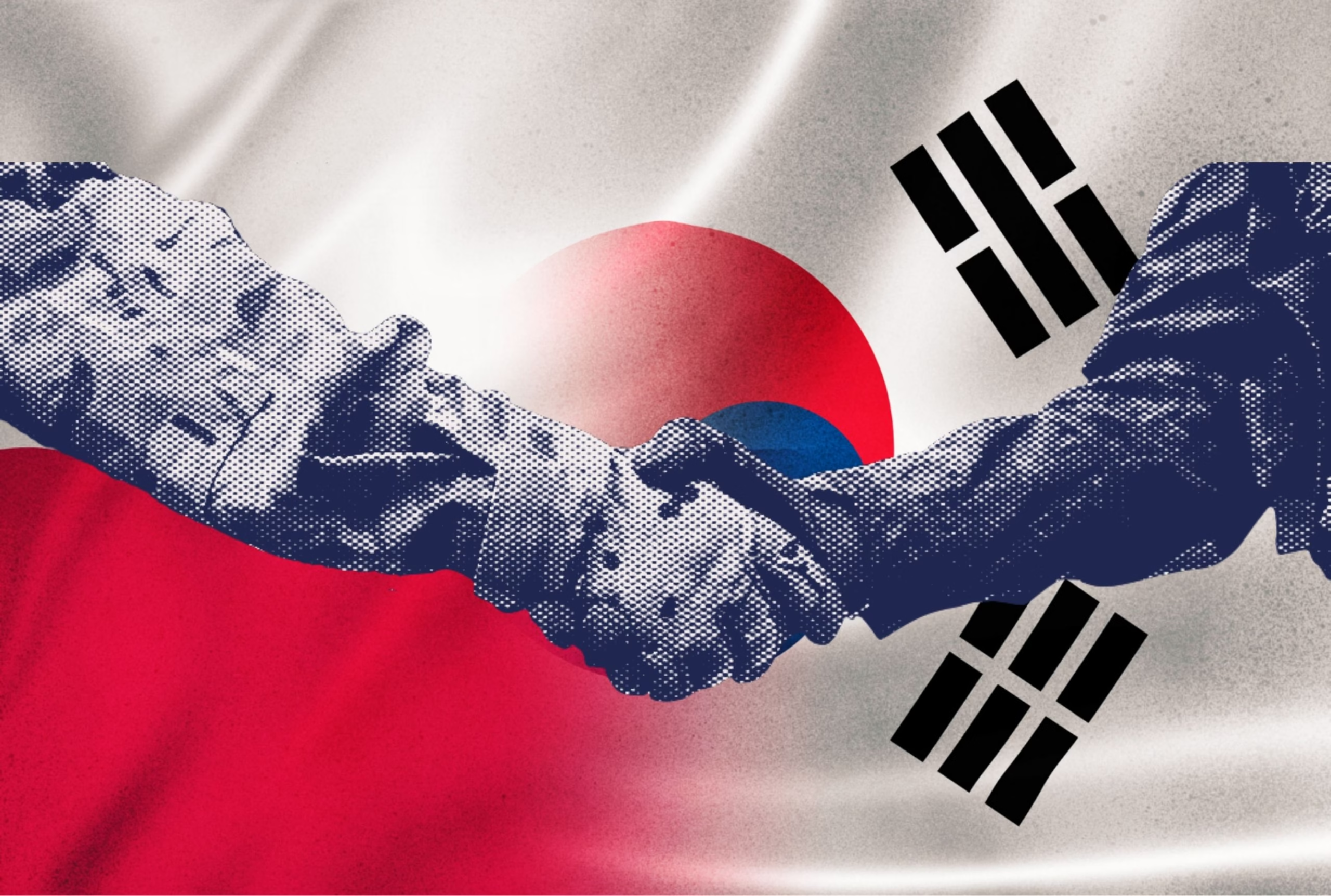
What do Poland and the Republic of Korea (ROK) have in common? Despite the distance between the two and the fact that they are representative of and stand as the most successful nations economically, politically and militarily in their respective regions of the world, despite the two nations being the products of two entirely different cultures, the answer to that question of what they have in common is “a great deal.”
Author: Reuben F. Johnson
Published: 26/08/2026

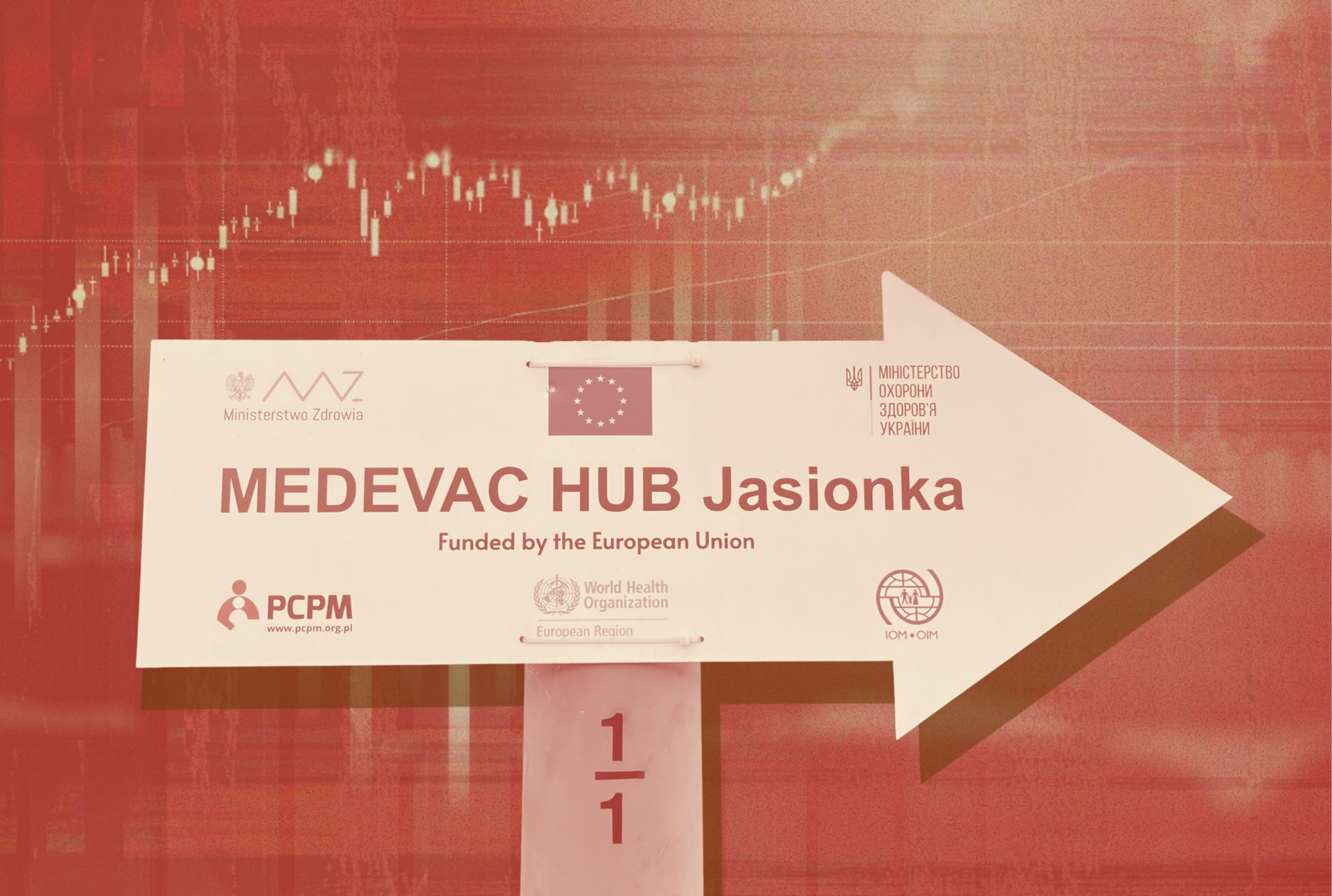
The Union Civil Protection Mechanism was created as a tool for fast, targeted assistance between neighbours in response to events that exceed a single state's capacity to respond – from fires, floods and earthquakes to industrial accidents, chemical contamination or man-made disasters. The last two decades, and especially the events of recent years – the COVID-19 pandemic and the war in Ukraine – have tested it in ways its architects never anticipated: not as a single, closed-ended event, but as a prolonged, multidimensional crisis with no clear end point.
Author: Ewa Polak
Published: 24/08/2026

As the Pentagon reviews the US military presence in Europe and allied capitals assess its possible consequences, European Commission President Ursula von der Leyen used her September State of the Union address to present two initiatives that go notably beyond the existing repertoire of EU external policy: an offer of associate member status to Canada and a proposal for a European Security Council.
Autor: Patryk Litwinski
Opublikowano: 23/09/2026
On Sunday, September 13th, parliamentary, regional council, and municipal council elections were held in Sweden, with nearly 85% of eligible citizens taking part.
Autor: Karolina Pawlik, Adam Żyłka
Opublikowano: 22/09/2026
On 7 September 2026 an agreement was signed in Kabul that in ordinary circumstances would have been trade press news at most. The Saudi Delta group agreed with the Taliban Ministry of Mines and Petroleum to explore for oil and gas in the west of the country, in Herat province, on the border with Iran and Turkmenistan.
Autor: Maciej Dachowski
Opublikowano: 22/09/2026
The Duma elections scheduled for September 18–20 are less a democratic exercise than an indirect indicator of the direction in which the Russian authoritarian regime is heading. The results of this quasi-electoral process will make it possible to assess how effectively the Kremlin can maintain a veneer of stability amidst mounting losses on the front lines, internal elite infighting over the seizure of assets, and a social contract that—since 2000—has been redefined three times and gradually stripped of any substance that might positively impact the lives of ordinary citizens.
Autor: Miłosz J. Cordes
Opublikowano: 18/09/2026
Since 2022, Russia has systematically attacked Ukraine's energy infrastructure. The first wave of strikes targeted substations, cutting off power distribution; the second hits generating capacity directly. According to data cited by BGK, Ukraine has lost around 70% of its pre-war generating capacity, while gas production fell by around 40% in 2025. The aim of this energy terrorism remains to paralyse the economy and break the will to resist – not only through the hardships caused by restricted access to electricity, water and heating, but through conditions that directly endanger civilians' lives, especially in winter.
Autor: Ewa Polak
Opublikowano: 15/09/2026
On 1 September 2026 Bishkek hosted seventeen heads of state and government at the annual summit of the Shanghai Cooperation Organisation, the twenty-sixth in its history, convened on the twenty-fifth anniversary of the organisation's founding. The host, Kyrgyzstan, which had just ended its year-long chairmanship, had a few weeks earlier been elected a non-permanent member of the United Nations Security Council for 2027 and 2028, while in the same election Germany lost the seat reserved for the Western group.
Autor: Maciej Dachowski, Ewa Polak
Opublikowano: 04/09/2026
A few days before the first summit of the Carpathian Integration Initiative, scheduled for September 2026 in the Ivano-Frankivsk region, Warsaw still does not know whom it will send. Volodymyr Zelensky has invited representatives of seven states of the region to the summit, Poland among them, he is steering the project personally, some leaders have already confirmed their attendance and more than five hundred business representatives are expected on site, and yet Poland's decision on the level of its representation still has not been taken.
Autor: Maciej Dachowski
Opublikowano: 01/09/2026
Iran emerges from the war with Israel and the US strengthened, regardless of the costs it has incurred. Unless a permanent collapse in negotiations occurs, it can recover its losses very quickly, and given its potential, it has a chance of becoming one of the world's largest economies within a few years. Crucial in this context is not the nuclear issue, but the high-stakes game over the Strait of Hormuz.
Autor: Witold Repetowicz
Opublikowano: 26/08/2026
What do Poland and the Republic of Korea (ROK) have in common? Despite the distance between the two and the fact that they are representative of and stand as the most successful nations economically, politically and militarily in their respective regions of the world, despite the two nations being the products of two entirely different cultures, the answer to that question of what they have in common is “a great deal.”
Autor: Reuben F. Johnson
Opublikowano: 26/08/2026
The Union Civil Protection Mechanism was created as a tool for fast, targeted assistance between neighbours in response to events that exceed a single state's capacity to respond – from fires, floods and earthquakes to industrial accidents, chemical contamination or man-made disasters. The last two decades, and especially the events of recent years – the COVID-19 pandemic and the war in Ukraine – have tested it in ways its architects never anticipated: not as a single, closed-ended event, but as a prolonged, multidimensional crisis with no clear end point.
Autor: Ewa Polak
Opublikowano: 24/08/2026